
Reviewed · EASTER ISLAND TOURS
Rapa Nui Highlights Program: 3 incredible tours to discover!
Rapa Nui’s moai are only the beginning. This two-day program takes you from the red volcanic stone of Puna Pau to the birdman village of Orongo, then out to Rano Raraku, where hundreds of statues were carved. You get a broad look at the island’s archaeology instead of seeing one famous site and calling it done.
I like the three-part plan, which covers the island’s major sights without forcing you to arrange separate rides. I also like the small groups of up to 15, especially since guide Jaime has handled groups as small as three and explained sites in both English and Spanish. The main drawback is that the National Park ticket, food, and drinks are not included, and pickup details may arrive later than you would prefer.
Key points to know before booking
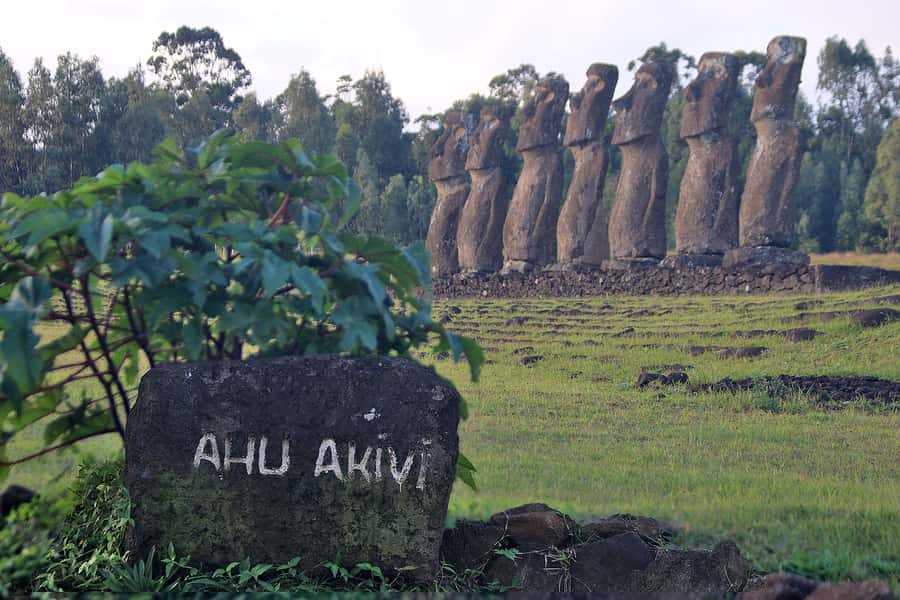
- Ahu Akivi is one of the few places where moai face the ocean, with the seven statues tied to the story of King Hotu Matu’a.
- Rano Raraku is the program’s essential stop, with 397 moai still located around the quarry and slopes where they were carved.
- Orongo explains the birdman contest, while Rano Kau adds a volcanic crater, lake, reed islets, and unusual plant and animal life.
- Ahu Tongariki has 15 moai, but Te Pito Kura is home to the largest statue once raised on an ahu.
- Anakena combines archaeology and beach time, with moai facing inland and white sand beside the Pacific.
- The schedule needs checking, since the three tours operate on specific days rather than every day.
Why this is a smart way to see Rapa Nui
Rapa Nui is small enough to look manageable on a map, but its important sites are spread across the island. The best parts are not all in one cluster. This program handles the driving and links together ceremonial platforms, volcanic craters, carving sites, beaches, and cultural stories.
I would choose this format if you have only a short stay and want a solid first look at the island. In two days, you visit more than 900 archaeological sites in the wider setting of Rapa Nui, though the scheduled stops are the major landmarks rather than every ruin.
The guides provide the thread that connects the stones. A moai can look like a silent statue until you learn where it came from, how it was positioned, and what role its ahu played. Guides such as Ugo and Jaime have been praised for giving clear explanations in English and Spanish. A German-language tour was also provided for one booking, so it is worth asking about language availability when you reserve.
The small-group limit matters here. A maximum of 15 people is more manageable than a large coach, particularly at outdoor archaeological sites where you want to hear the guide and keep moving at a reasonable pace. One reported group had only three people, though you should not assume every departure will be that small.
More moai and Rapa Nui sites:
- From Hanga Roa: Rapa Nui Culture Sightseeing Tour
★ 4.6 · 307 reviews - From Hanga Roa: Journey from Orongo to Ana Te Pahu
★ 4.3 · 75 reviews - Two days of Full Day Tour of Rapa Nui + Sunrise in Tongariki
★ 4.8 · 55 reviews
Ahu Akivi, Puna Pau, and the island’s sky markers
The Ahu Akivi half-day tour begins with one of Rapa Nui’s most unusual moai settings. The seven statues at Ahu Akivi face toward the ocean, unlike the inland-facing moai found at many other ahu. They represent the seven explorers sent by King Hotu Matu’a before the settlement voyage.
That story gives the site a human frame. You are not simply looking at seven stone figures in a field. You are considering an island society that preserved accounts of voyaging, leadership, and origins through ceremony and memory.
The tour then goes to Puna Pau, a small crater made of red volcanic slag. This is where the pukao were made. These topknots, often described as hats or headdresses, were placed on some moai after the statues reached their platforms.
The red stone offers a useful contrast with the gray volcanic rock used for the moai. It also helps you understand that the statues were not finished in one place. Different types of stone had different purposes, and the island’s volcanic geology shaped the work.
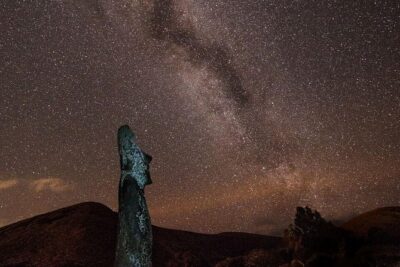
Ahu Uri Aurenga is a more modest site, with one statue, but its position gives it special importance. It is aligned with the winter solstice and faces east between nearby hills. That alignment helped mark seasonal change and was linked to rules governing fishing and other activities.
This is one of the places where a guide adds real value. Without an explanation, the single moai may seem less impressive than a row of fifteen. With the astronomical and cultural setting explained, it becomes a clue to how Rapa Nui people organized time and social life.
The listed Ahu Akivi route also includes Tahai. Since exact stop timing can vary, ask how the day is arranged when you book. The tour operates on Mondays, Wednesdays, and Fridays.
Vinapu and the birdman ceremony at Orongo
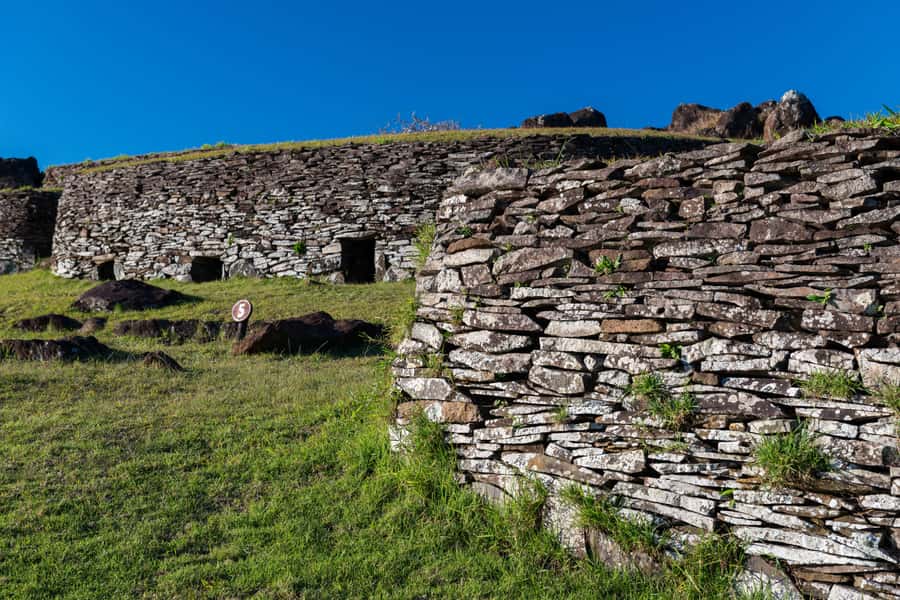
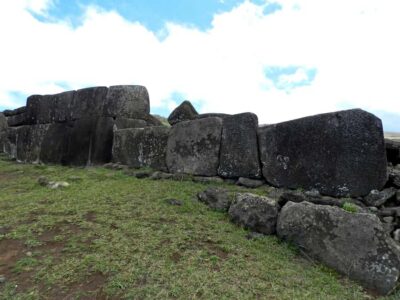
The Orongo half-day route begins at Vinapu, an archaeological site known for its carefully fitted basalt slabs. The construction is often compared with Inca stonework at Machu Picchu because of the close joins between large stones.
The comparison should be treated as a point of visual reference, not as proof that the two cultures were connected. What you can see clearly is the precision of the masonry. Vinapu is a good reminder that Rapa Nui architecture involved more than placing statues on platforms. It also required serious stone shaping and construction skill.
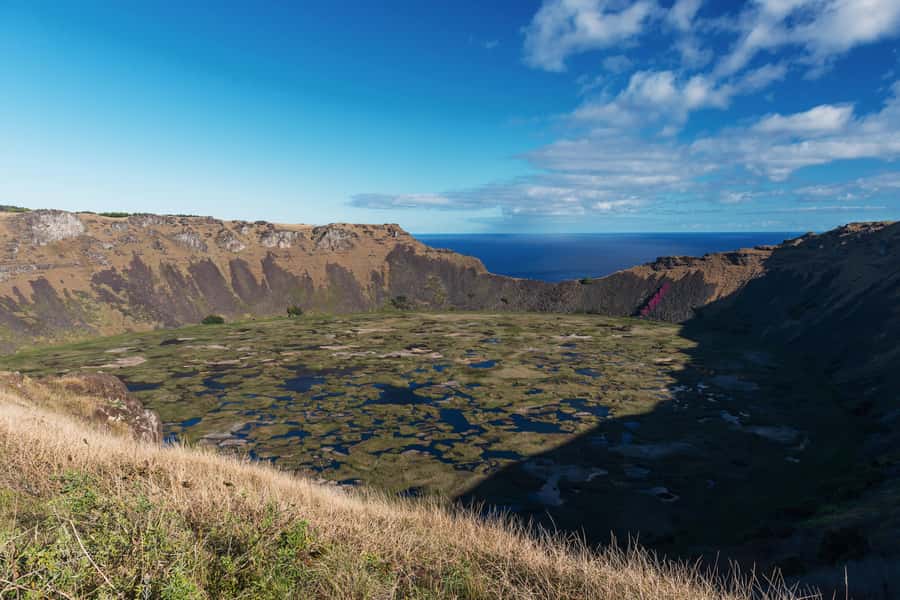
From Vinapu, the route continues to Rano Kau. The crater contains a lake with small reed-covered islets, along with plant life and small forms of lake wildlife. The setting is very different from the open coastal platforms. You move from cut stone and ceremonial architecture to a broad volcanic bowl shaped by water and vegetation.
Rano Kau is also a strong photo stop, but do not rush past the explanation. The crater helps show how volcanic formations became useful places within island life. The lake and plant communities are part of what makes this site feel separate from the drier, more exposed areas around many moai platforms.
The final stop is Orongo, the ceremonial village associated with the birdman contest. Here, the guide explains the competition and the beliefs surrounding it. This part of the program gives you a different chapter of Rapa Nui culture from the moai sites.
The Orongo tour runs on Mondays, Wednesdays, and Fridays. Since Ahu Akivi is also listed for those same days, confirm the exact schedule and timing before you pay. The activity description presents all three experiences across two days, but the day-specific availability means the right start date matters.
Rano Raraku and the unfinished moai
The full-day Anakena route is the longest and most important outing. It travels east and begins with Ahu Vaihu and Ahu Akahanga, ceremonial platforms where moai and pukao are gathered.
These sites help you see the damage and disorder that can affect ahu over time. Not every platform presents a neat row of standing statues. Some of the island’s archaeological power comes from seeing fallen stones, broken arrangements, and evidence of a complicated past rather than a perfectly restored monument.
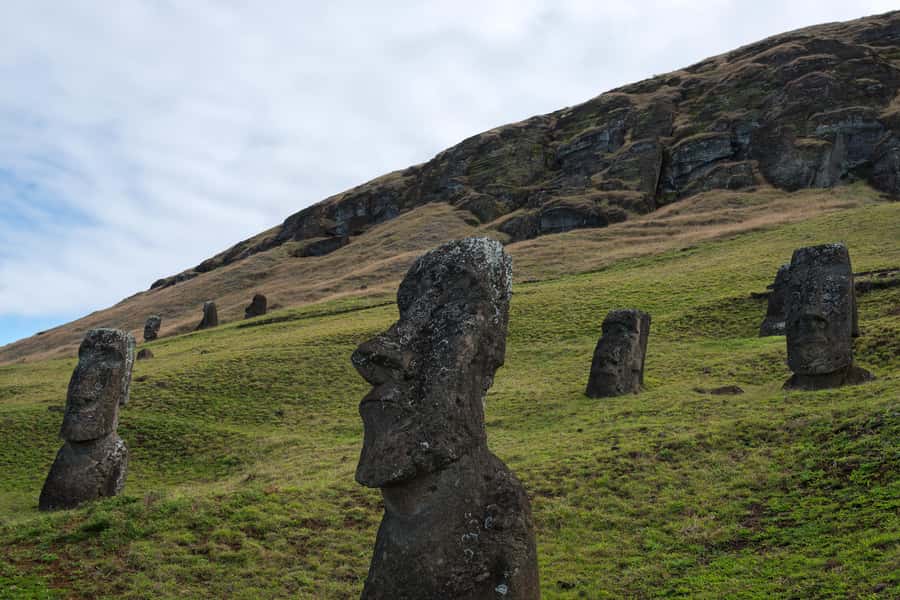
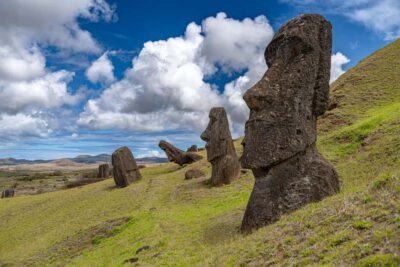
The day’s central stop is Rano Raraku. This volcanic crater formed from consolidated ash, and its slopes became the main carving area for the moai. About 397 statues remain there.
Rano Raraku is the place where the island’s statue-making process becomes easiest to understand. You can see moai in different stages of completion, including figures still connected to the rock or left along the slopes. The unfinished statues make the site feel like a workshop paused in time.
Give this stop your full attention. It is not just another scenic crater. Rano Raraku explains how the island’s most famous objects were made before they were moved to ceremonial platforms around Rapa Nui.
The ground and walking conditions are not described in detail, so wear practical shoes and expect an outdoor archaeological visit rather than a paved museum experience. The program is not suitable for wheelchair users, and that is an important limitation for anyone who needs step-free access.
A few more Hanga Roa half-days to weigh up
- From Hanga Roa: Easter Island Highlights 2-Day Tour
★ 4.3 · 205 reviews - Sunrise Tongariki: Sunrise at Tongariki Park Private Tour
★ 4.5 · 47 reviews - Rapa Nui Dreams: Experiencie Pack 3 Days
★ 4.7 · 32 reviews - Easter Island: Full-Day Tour to Anakena
★ 4.7 · 27 reviews
Fifteen moai at Ahu Tongariki
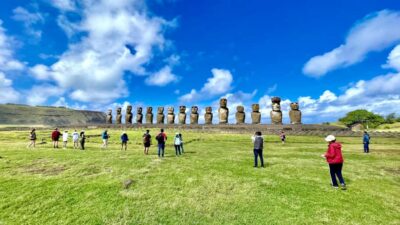
After Rano Raraku, the route reaches Ahu Tongariki, the most dramatic platform on the program. Fifteen large moai are arranged together, creating the broadest group view of the statues included in these tours.
Tongariki helps you understand scale. A single moai can seem mysterious, but fifteen together show the public and ceremonial force these platforms once held. Take time to look at the differences between the figures rather than treating the row as one object.
The day also includes Te Pito Kura, home to Moai Paro. At about 10 meters tall and weighing 85 tons, it was the largest statue ever raised on an ahu. That detail makes the stop useful even after you have seen the larger group at Tongariki.
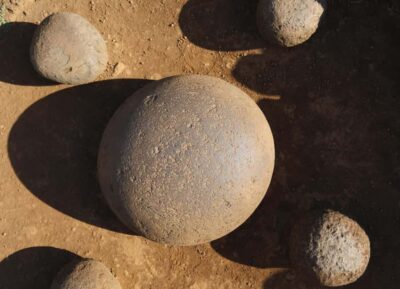
Nearby is a large spherical stone called Te Pito o Te Henua, commonly identified as the navel of the world. The name fits Rapa Nui’s own sense of geographic importance, an island culture set far out in the Pacific.
The route gives you several ways to compare the statues: unfinished figures at Rano Raraku, the largest raised figure at Te Pito Kura, and the full ceremonial group at Tongariki. That sequence is one of the strongest reasons to take the full-day tour rather than visiting only a single platform.
Anakena, the beach at the end of the day
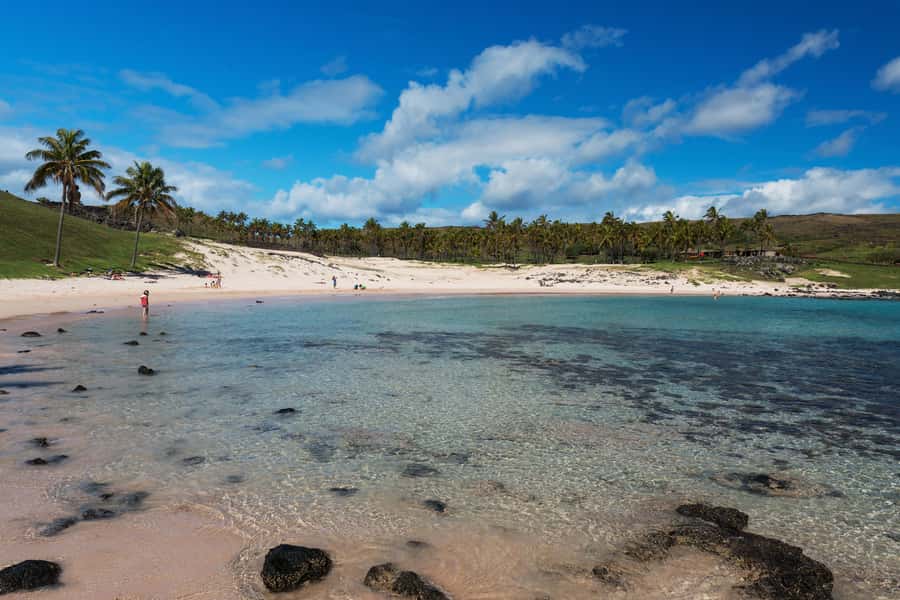
The final stop is Anakena, the island’s most popular beach. Its white sand and Pacific setting offer a welcome change after a full day of stone platforms and volcanic sites.
Anakena is not simply a beach break added to fill the afternoon. Its moai face inland with their backs to the sea, keeping the focus on the community and land rather than the open water. The combination of sand, palms, archaeological remains, and ocean makes it one of Rapa Nui’s most memorable settings.
I like the rhythm of ending here. The morning and middle of the day focus on quarrying, platforms, and ceremonial power. Anakena lets you pause and take in the island as a place where people lived, traveled, fished, and gathered.
Because this is a full-day route, you should plan for a long outing. Food and drinks are not included, so arrange your own provisions according to the operator’s instructions. The supplied details do not specify meal stops or whether food can be purchased at each location, so do not assume lunch is provided.
Anakena operates as part of the full-day route on Tuesdays, Thursdays, and Saturdays. Along with the Monday, Wednesday, and Friday half-day tours, this creates a schedule that needs attention when you choose your arrival and departure dates.
The $220 cost and what it covers
At $220 per person, the program is priced as a package of three guided outings over two days. I see the value in that if you want transport, a live guide, and a planned route through the island’s main archaeological areas.
You are paying for coverage as much as for individual stops. A separate day at Rano Raraku, another visit to Orongo, and a third outing to Ahu Akivi could become awkward to arrange independently, especially when you are trying to fit them into a short stay.
The price does not include the National Park ticket, food, or drinks. Add those costs to your actual budget. Pickup and drop-off at Explora Hotel are also excluded, so if you are staying there, confirm transport before booking.
The package is strongest for someone who values context and efficient transport. If you already have a car, plenty of time, and a strong interest in planning your own route, a packaged tour may feel less flexible. You also give up some control over how long you spend at each site.
Still, the clear explanations are a major part of the value. Ugo was singled out for bringing passion and island culture to a full-day outing, while Jaime handled bilingual explanations and kept a very small group on schedule. Punctual hotel pickups were also noted as a strength.
One practical weakness is communication before the tour. Pickup times may not be confirmed as early as you would like because the operator works with contractor guides. I would contact Koa Ma´ara Travel soon after booking and ask for the approximate pickup time, language, and meeting point.
Who should book the Rapa Nui Highlights Program?
I would recommend this program to you if you have two days on Easter Island and want the major sites explained in English or Spanish. It suits first-time visitors, history fans, and anyone who would rather focus on the island than coordinate vehicles and routes.
It is also a good choice if you want a small group without paying for a fully private tour. The limit of 15 people keeps the setup personal, though actual group size can vary.
I would think twice if you are arriving by cruise ship. Cruise ship passengers are specifically excluded, and the two-day format is not designed around a short port call. I would also reconsider it if you need wheelchair access, are pregnant, or want an itinerary with no long outdoor visits.
Before booking, check three things: the operating days, the National Park ticket cost, and your hotel’s pickup eligibility. If those details work, the program gives you a useful and well-rounded introduction to Rapa Nui, from the quarry where the moai began to the beach where island culture, stone, and sea meet.
FAQ
How long does the Rapa Nui Highlights Program last?
The program lasts two days and includes three tours: two half-day outings and one full-day outing.
What tours are included?
The package includes the half-day Ahu Akivi tour, the full-day Anakena route, and the half-day Orongo route.
Which sites are included on the Ahu Akivi tour?
The route includes Puna Pau, Ahu Akivi, and Tahai. It also describes a visit to Ahu Uri Aurenga.
Which sites are included on the Orongo tour?
The Orongo route includes Vinapu, Rano Kau, and Orongo.
Which sites are included on the Anakena tour?
The full-day route includes Ahu Vaihu, Akahanga, Rano Raraku, Ahu Tongariki, Te Pito Kura, Te Pito o Te Henua, and Anakena.
Is the National Park ticket included?
No. The National Park ticket is not included in the $220 price.
Are meals and drinks provided?
No. Food and drinks are not included.
What languages are available?
The tours are offered with live guides in English and Spanish. The available information also describes a German-language tour guide, so you should confirm German availability when booking.
Just added around Hanga Roa
- Easter Island: Customized recreational-tourist diving★ 5.0 · 3 reviews
- Ancestral fishing: Fishing with an experienced Rapa Nui★ 4.4 · 3 reviews
- Rapa Nui: Polynesian Massage★ 4.8 · 5 reviews
- Rapa Nui: 3 Excursions with Hotel Transfers★ 4.3 · 6 reviews
- Volcanic Refuges: Excursion to Underground Civilization★ 4.7 · 8 reviews
- Easter Island: The Moai Trail Private Archeological Tour★ 4.9 · 12 reviews
- Easter Island: Tropical Diving★ 4.8 · 13 reviews
- Easter Island: Half-Day Archaeology Tour★ 4.2 · 19 reviews
Easter Island Tours, compared.

Two days of Full Day Tour of Rapa Nui + Sunrise in Tongariki
Read our review →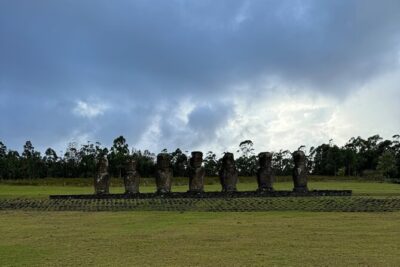
Browse the lists this tour appears in