
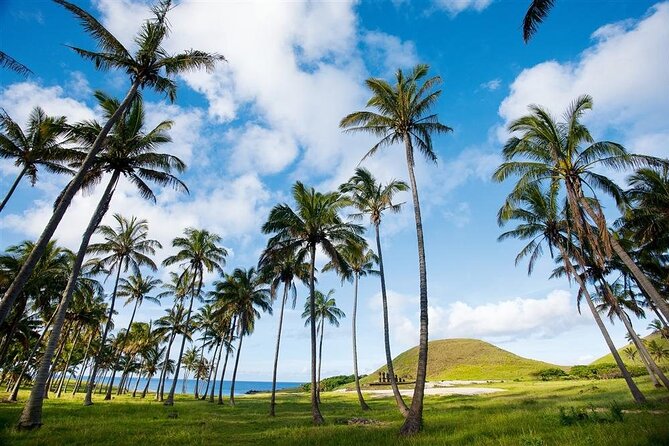
Reviewed · EASTER ISLAND TOURS
Full day tour – DREAM
Rapa Nui Dream packs Easter Island’s essential moai sites into one long, carefully planned day, from fallen statues at Ahu Vaihu and Ahu Akahanga to the towering rows at Tongariki and the unfinished figures of Rano Raraku. The real prize is seeing how the sites fit together, rather than viewing each moai as an isolated statue.
I like the strong local storytelling, especially when guides such as Esteban connect ancient customs with modern Rapa Nui life. I also like the crowd-conscious routing and generous photo time, which can make famous places such as Tongariki feel far less hurried.
The main caution is timing. This is sold as an 8 to 9 hour tour, but operating hours, holidays, group size, traffic, and meal stops can change the pace. You also pay separately for the National Park, and lunch is not included.
Key points to know before booking
- Seven major stops in one day: The route covers Vaihu, Akahanga, Rano Raraku, Tongariki, Te Pito Kura, Nau Nau, and Anakena.
- Rano Raraku gets two hours: That is enough time to see the quarry slopes and unfinished moai without reducing the stop to a quick photograph.
- Tongariki is the visual high point: Fifteen moai face inland with their backs to the sea on Polynesia’s largest ahu.
- The guide makes the difference: Esteban, Christian, Joaquín, Andrés, and other guides have earned particular praise for clear explanations, local context, and photography help.
- Bring money for the park and lunch: Foreign visitors pay $80 for the National Park, Chileans pay CLP20,000, and food and drinks are extra.
- Expect a full but active day: Moderate physical fitness is recommended, and you may walk over uneven ground at archaeological sites.
Why this full-day route works
Easter Island can look small on a map, but its major archaeological sites are spread across the island. A rental car gives you freedom, yet it does not give you the explanations that turn a toppled moai, a stone platform, or a quarry slope into part of a larger story.
This tour is useful on a first visit because it links the south coast, the inland quarry, the east coast, and Anakena in one circuit. You see both the famous sites and quieter places that help explain how Rapa Nui communities lived near the ahu, or ceremonial platforms.
The advertised day begins at 9:30 am at Iglesia Católica Tu’u Koihu in Hanga Roa and ends back at the same meeting point. The group can reach 15 people. That is small enough for a more personal guide experience, though a full vehicle can mean slower hotel or accommodation pickups if several people are joining.
Several excellent guide names appear in the tour’s feedback. Esteban receives the most detailed praise for his explanations of moai, Rapa Nui culture, modern island life, and Tapati, the island’s major cultural festival. Christian is described as friendly and funny, while Joaquín is praised for tying stories directly to the places in front of you. Andrés is also singled out for strong organization and clear information.
That matters here. The statues are impressive even without help, but the tour is worth more when the guide explains what you are seeing, answers questions, and leaves you enough time for photographs. Some guides also help take pictures, a welcome touch for solo visitors and couples.
A few more Easter Island half-days to weigh up
- From Hanga Roa: Easter Island Sightseeing Full Day Tour
★ 4.5 · 189 reviews - Two days of Full Day Tour of Rapa Nui + Sunrise in Tongariki
★ 4.8 · 55 reviews - Easter Island: Full-Day Tour to Anakena
★ 4.7 · 27 reviews
Ahu Vaihu and the old fishing bay
Your first listed stop is Ahu Vaihu, a platform associated with eight moai lying on their sides near an ancestral bay used by fishermen. The fallen statues create a different mood from the upright figures at Tongariki. Instead of a polished postcard view, you see the force and disorder of the island’s past.
The stop also introduces Poko Manu Mea, described as a representative sample connected with Rapa Nui villages and customs. This gives the guide a chance to explain daily life, not just monumental sculpture.
You have about 30 minutes here. That is enough for an orientation, photographs, and a short walk, but not a long archaeological study. Wear shoes that can handle uneven ground and keep your attention on the guide, since this early stop helps establish the cultural ideas used throughout the day.
Ahu Akahanga and a former coastal village
Ahu Akahanga brings the focus to an old settlement beside a small bay. The appeal is less about one perfect row of moai and more about seeing an archaeological site in relation to where people lived.
The listed time is 30 minutes, so you should expect a compact visit. The National Park ticket is marked as not included for this stop, although the separate park pass is required before the excursion begins. Buy that pass ahead of time through the official Rapa Nui National Park website or in person at Ma’u Henua offices.
Akahanga is a good reminder that Easter Island is not simply an outdoor statue gallery. Villages, fishing areas, ceremonial platforms, and burial traditions were connected. The guide’s explanation is especially helpful here because the remains can be harder to read on your own.
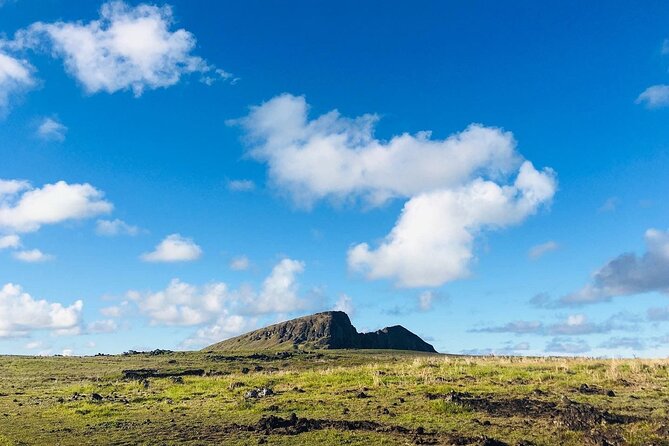
Rano Raraku, the moai quarry
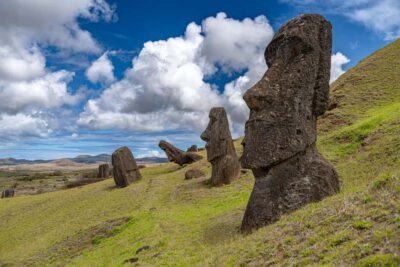
Rano Raraku is the heart of the day. This volcanic quarry produced most of the island’s moai, and roughly 400 unfinished specimens remain around the slopes. The sight is extraordinary because the statues appear at different stages of production, some partly buried and others still attached to the rock.
You get two hours here, the longest planned stop along with Tongariki. That is exactly right. A short visit would let you see only the lower path and miss the sense of scale. You need time to walk, stop for photographs, listen to the guide, and look closely at the unfinished forms.
The walk can be moderately physical. The tour asks for a moderate fitness level, and that is most relevant at Rano Raraku. Even if you move at an easy pace, you may be walking over sloped or uneven ground. Bring water, sun protection, and shoes with a secure grip.
This is also where a good guide earns the tour price. It is easy to repeat the old idea that the moai were simply giant heads, but the figures are full statues, and many details become clearer when someone points them out. Your guide can also explain how the quarry relates to the finished ahu around the island.
Same base, a completely different landscape:
- From Hanga Roa: Rapa Nui Culture Sightseeing Tour
★ 4.6 · 307 reviews - From Hanga Roa: Easter Island Highlights 2-Day Tour
★ 4.3 · 205 reviews - From Hanga Roa: Journey from Orongo to Ana Te Pahu
★ 4.3 · 75 reviews - Rapa Nui Stargazing
★ 4.5 · 62 reviews
Ahu Tongariki and fifteen moai by the sea
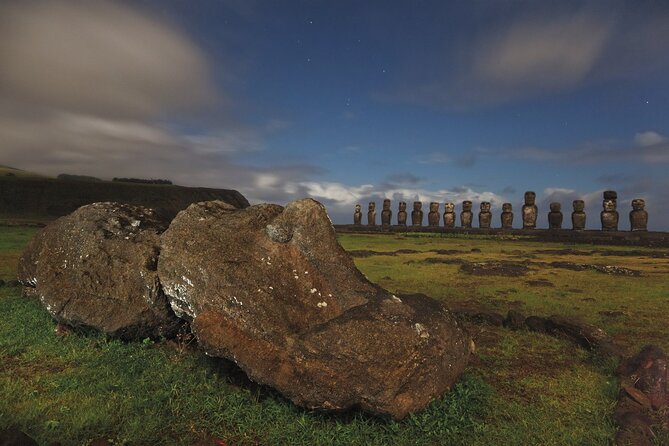
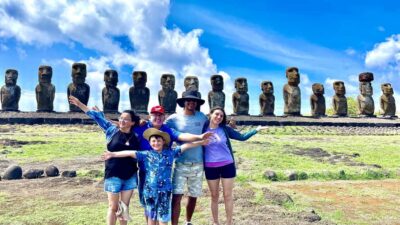
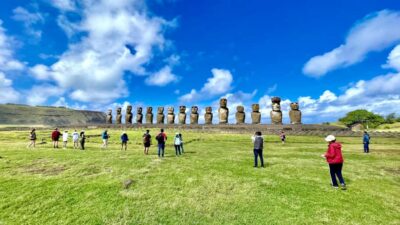
Ahu Tongariki is the signature view. Fifteen upright moai line the largest ahu in Polynesia, facing inland with the ocean behind them. The row is powerful from a distance, but you should also take time to look at the differences between individual figures.
The planned two-hour stop gives you room to appreciate the scale without being pushed back into the vehicle after a few minutes. It is also one of the best places for photographs, and several guide accounts praise the amount of time allowed for pictures.
The tour may sometimes route the sites in an order designed to reduce crowds. That can be a real advantage at Tongariki and Rano Raraku, two places that can dominate the island’s visitor traffic. Still, do not assume the exact order will always be the same. Park rules, holiday hours, weather, and daily operations can affect the route.
Tongariki is also a place where silence helps. Listen to the explanation, then give yourself a few minutes without a camera in front of your face. The fifteen figures, the open sea, and the broad sky do much of the work.
Ahu Te Pito Kura and the magnetic stone
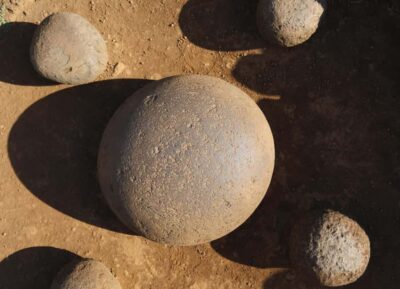
Ahu Te Pito Kura is a shorter but distinctive stop. It is associated with a magnetic stone and the longest moai, making it different from the better-known group displays at Tongariki.
You have about an hour here. That should give you time to hear the story, examine the site, and take photographs without turning it into a rushed roadside pause. Because this is one of the less familiar names on the route, it is worth paying close attention to the guide’s explanation.
This stop is also important when comparing tour options. It is specifically part of the published route, but one past operating day did not include every listed location after delays and holiday closures. If a particular site matters most to you, ask at the start of the day how the route is being handled.
Ahu Nau Nau beside Anakena
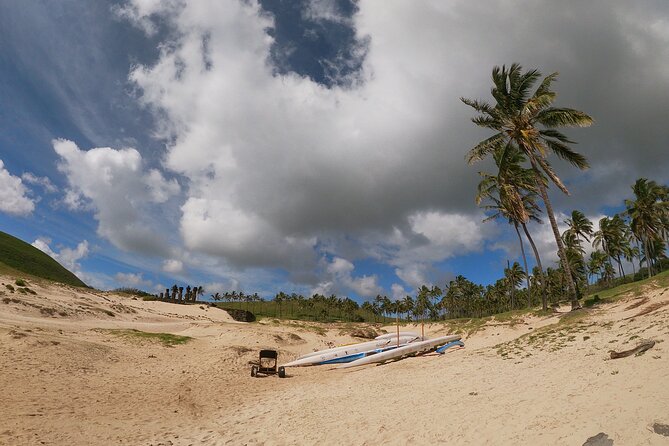
Ahu Nau Nau sits about 150 meters inland from Anakena Beach and includes seven moai. The setting changes the tone of the tour. After quarry rock and exposed ceremonial platforms, you reach a place tied closely to the island’s coastal traditions and royal origin story.
The listed visit to the ahu takes 30 minutes, and the beach receives another 30 minutes. That split matters. Ahu Nau Nau deserves your attention before you shift into beach mode, especially because the figures and their setting are among the most attractive combinations on the island.
Some visitors have felt the final stop gave too much weight to lunch or swimming and too little explanation of the moai. My advice is simple: use your time at Nau Nau first. If the guide offers limited time at the beach, prioritize the archaeological site if that is your main reason for booking.
Anakena Beach and the story of Hotu Matu’a
Anakena is not just a place to stretch your legs. Its Rapa Nui name is Hanga Rau o Te Ariki, and it is linked with the arrival of King Hotu Matu’a. That story gives the beach cultural importance beyond its sand and water.
The beach stop is listed as free, but lunch is not included. You may be able to buy food there, yet the timing can be late. One account places lunch around 3:00 pm, so I would carry a substantial snack and water rather than depend on a restaurant meal at a precise hour.
Swimming may be possible when conditions and the schedule allow, but this is an archaeological and cultural tour, not a beach day. The guide’s route and park hours take priority. If you want a long swim and a relaxed lunch, reserve separate time for Anakena instead of expecting the final 30 minutes to provide both.
Timing, vehicles, and group size
The listed duration is 8 to 9 hours, starting at 9:30 am. In practice, the day can feel closer to seven hours if the group is small and transfers are efficient, while delays or a larger group can lengthen the day.
That range is not a minor detail. A group of six can move in and out of sites quickly. A group near the maximum of 15 needs more time for loading, questions, photographs, and pickups. Ask how many people are booked when you meet the guide, and confirm the expected return time if you have an evening flight or another reservation.
A past holiday departure was affected by early National Park closing times. The operator reorganized the group and said all planned archaeological sites were still covered, but the day felt much shorter to one family. The practical lesson is to avoid booking this tour on a day when a shortened park schedule could ruin your plans, and to confirm holiday hours before paying.
The tour includes information sent via WhatsApp the day before. Read it carefully, since that is where you should expect the final route details and meeting information. The stated meeting point is the Catholic church in Hanga Roa, and the tour returns there.
The real cost of the experience
The tour price is $120 per person. For a foreign visitor, add the $80 National Park entrance ticket, bringing the basic cost to about $200 before lunch, drinks, or other personal expenses. Chilean visitors pay CLP20,000 for the park ticket instead.
That is not a cheap day, but the comparison should be with the total cost of arranging transport, navigation, and site visits independently. You are paying for a full island circuit, a guide, vehicle transport, and interpretation at the main moai locations. If Esteban, Christian, Joaquín, Andrés, or another strong guide leads your group, the explanations can add real value.
The price feels less attractive if the vehicle is crowded, the air conditioning fails, the group waits a long time for late arrivals, or important stops are dropped. One past account describes a 16-person minivan, a late departure, and only four completed stops. That appears to have been an operational failure rather than the intended format, but it is a fair reason to confirm the group size and route at the outset.
Lunch and drinks are not included. Pack your own supplies so you can focus on the sites instead of waiting for a restaurant during the busiest part of the day.
Who should choose this tour
I would choose this day for a first visit to Rapa Nui, especially if you have limited time and want the major archaeological sites in one organized outing. It suits solo visitors, couples, and friends who want a guide to explain the statues rather than simply drive between them.
It is also a good fit if photography matters. The itinerary allows long stops at Rano Raraku and Tongariki, and several guides are praised for giving people time to frame pictures or helping take them.
I would be more cautious if you want a slow beach day, a private vehicle, or complete control over every stop. You should also think twice if you dislike long drives, uneven walking, or a late lunch. The National Park fee makes the total cost higher than the headline price.
Free cancellation is available if you cancel at least 24 hours before the start time. Changes inside that window are not accepted, and poor weather can lead to a different date or a full refund.
Is Rapa Nui Dream worth booking?
Yes, with a few checks before you commit. The route covers the island’s essential moai sites, the two-hour visits at Rano Raraku and Tongariki are well judged, and a capable local guide can turn an impressive day into a meaningful one.
Before departure, confirm the meeting point, expected group size, park opening hours, and whether all seven listed stops are planned for that date. Bring lunch or snacks, water, sun protection, sturdy shoes, and your National Park ticket.
Book it if you want an efficient, guide-led introduction to Easter Island and can accept a full day with a flexible schedule. Skip it in favor of a private arrangement if missing one site, waiting for other passengers, or shortening the beach stop would seriously disappoint you.
FAQ
How long is the Rapa Nui Dream tour?
The advertised duration is approximately 8 to 9 hours. The start time is 9:30 am, and the activity ends back at the meeting point in Hanga Roa.
Where does the tour start?
The stated meeting point is Iglesia Católica Tu’u Koihu in Hanga Roa, Easter Island, Chile.
Which sites are included in the route?
The route includes Ahu Vaihu, Ahu Akahanga, Rano Raraku, Ahu Tongariki, Ahu Te Pito Kura, Ahu Nau Nau, and Anakena Beach.
Is the National Park ticket included?
No. Foreign visitors pay $80 per person for the National Park ticket. Chilean visitors pay CLP20,000 per person.
Where can I buy the National Park ticket?
You can buy it in person at the Ma’u Henua offices or through the Rapa Nui National Park ticket website. You need the ticket before the first day of the excursion.
Is lunch included?
No. Food and drinks are not included. You should bring money for lunch or pack snacks and water.
How many people can join the tour?
The maximum group size is 15 people. The actual group can be smaller, depending on bookings and operating conditions.
Can I cancel for a full refund?
You can cancel at least 24 hours before the experience start time for a full refund. Cancellations or changes made less than 24 hours before the start time are not accepted, and poor weather may lead to a new date or a full refund.
Just added around Easter Island
- Easter Island: 2 Full Days Private Tour★ 3.9 · 3 reviews
- Easter Island: Full Day Ancestral Caves and Orongo Village★ 5.0 · 3 reviews
- Easter Island: Customized recreational-tourist diving★ 5.0 · 3 reviews
- Ancestral fishing: Fishing with an experienced Rapa Nui★ 4.4 · 3 reviews
- Birdman Cult and Caves★ 4.0 · 5 reviews
- Rapa Nui: Polynesian Massage★ 4.8 · 5 reviews
- Easter Island: Moai Full Day Private Tour★ 4.8 · 5 reviews
- Rapa Nui: 3 Excursions with Hotel Transfers★ 4.3 · 6 reviews
Easter Island Tours, compared.
Two days of Full Day Tour of Rapa Nui + Sunrise in Tongariki
Read our review →
Browse the lists this tour appears in