
Reviewed · EASTER ISLAND TOURS
Easter Island: Tropical Diving
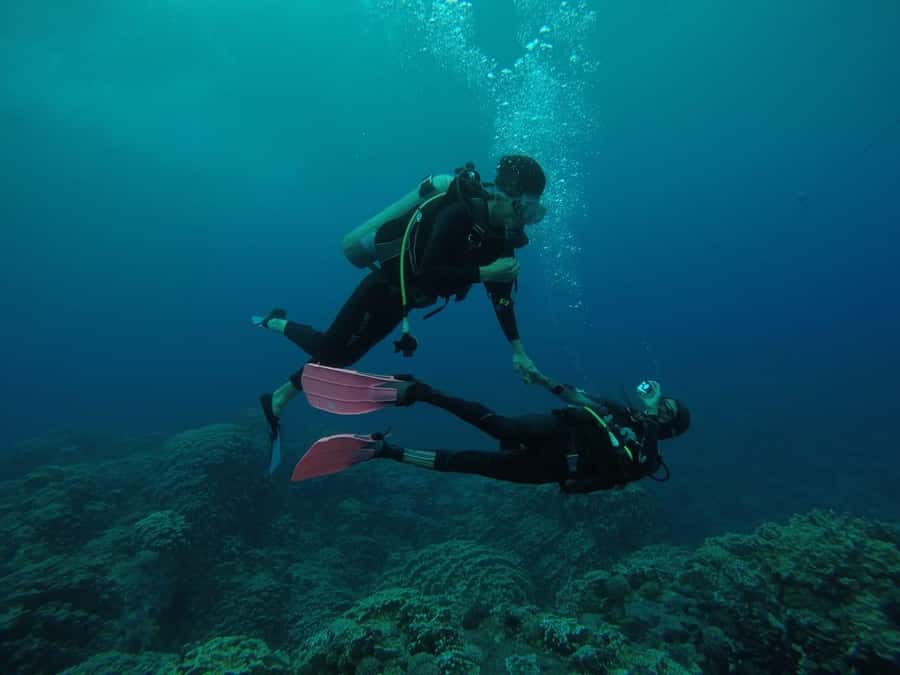
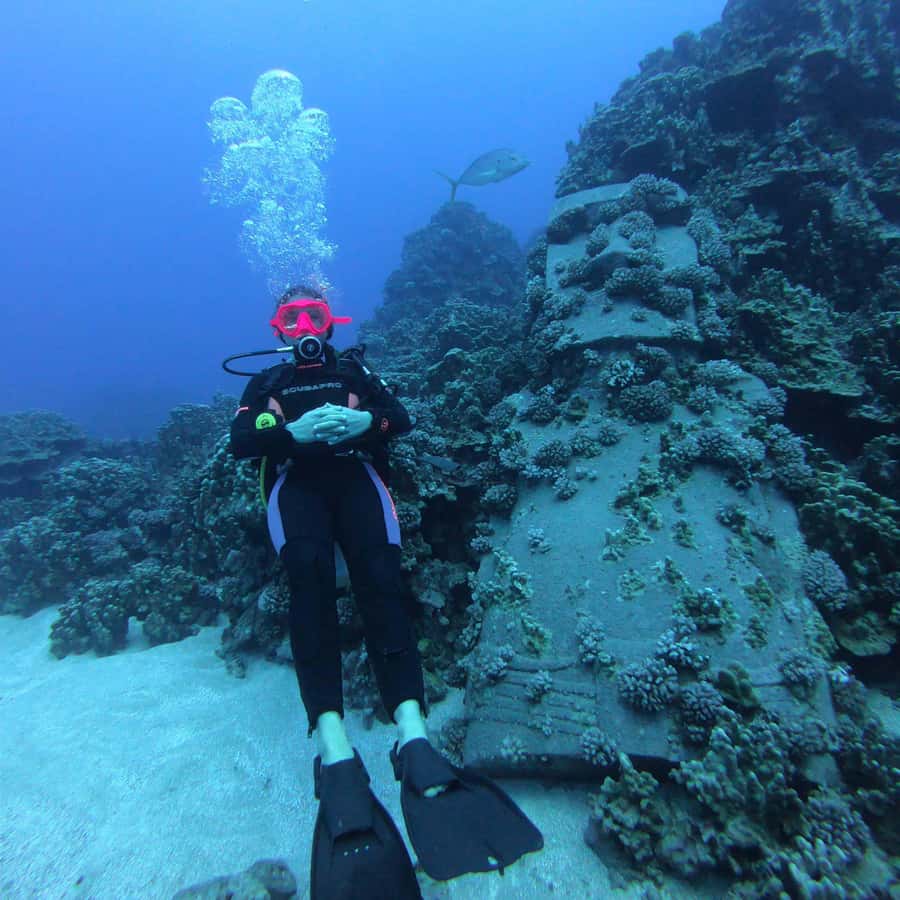
Rapa Nui’s most unusual sight may be below the water: a submerged moai, reached after a short transfer from Hanga Piko and a guided hour underwater. The clear Pacific water also brings you close to tropical fish, coral, and possibly turtles. I like the small group, capped at 10, and the patient instruction for first-time participants.
I also like that the team can adjust the outing when needed. Joacquin and Carla helped one certified guest use the equipment, while another couple was able to switch to snorkeling after falling ill. The main drawback is timing: the planned 150 minutes can stretch when the departure is delayed, and you cannot take part within 12 hours of flying.
Key points to know before booking
- The underwater moai requires certification: You can enjoy the marine life without it, but you cannot safely swim to the statue without certified training.
- Hanga Piko is the starting point: The exact meeting arrangement is sent 48 hours before the activity, and transport to the site may be by boat or vehicle.
- The full outing lasts 150 minutes: Allow 30 minutes for the safety briefing, 30 minutes to reach the site, one hour in the water, and 30 minutes to return.
- Equipment and media are included: You receive a suit, mask, fins, vest, and tank, plus photos and video to transfer to your phone or storage device.
- The group stays small: No more than 10 participants join, with an instructor providing personal support throughout.
- Plan around your flight: You must leave at least 12 hours between the activity and a flight.
The underwater moai gives this outing its character
Many Pacific scuba trips promise fish and clear water. Rapa Nui adds a stranger, more memorable goal: an underwater moai. The statue is one reason this outing feels tied to the island rather than like a standard resort-water activity.
You should keep one point clear before booking. The moai is not automatically part of what every participant can reach. You need scuba certification to go deep enough, so a first-time participant will focus on the fish, coral, water clarity, and general underwater setting instead.
That distinction matters. If the statue is your main reason for booking, bring proof of certification and confirm what your experience level allows. If you are new to scuba, the marine life and calm introductory format are the more realistic highlights.
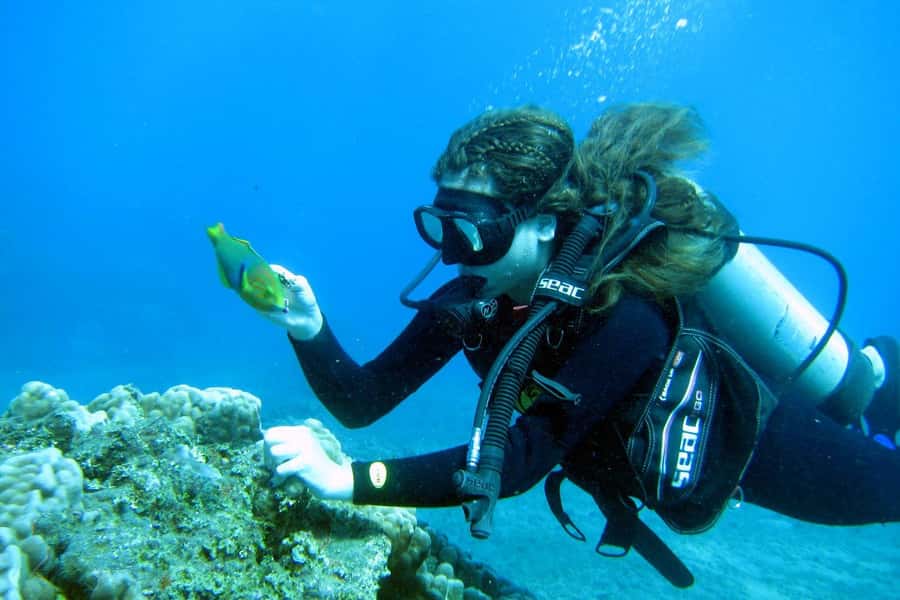
The water is described as exceptionally clear, giving you good underwater views. The species list includes tropical fish and turtles, while the coral adds texture and color to the seabed. Sightings are never guaranteed, but the setting gives you plenty to look for during your hour below the surface.
A few more Hanga Roa half-days to weigh up
- Easter Island: Customized recreational-tourist diving
★ 5.0 · 3 reviews
Starting at Hanga Piko with a proper safety lesson
The experience begins at Hanga Piko with a 30-minute safety briefing. That is a useful amount of time for a first attempt, since you need more than a quick explanation of how to put on the equipment.
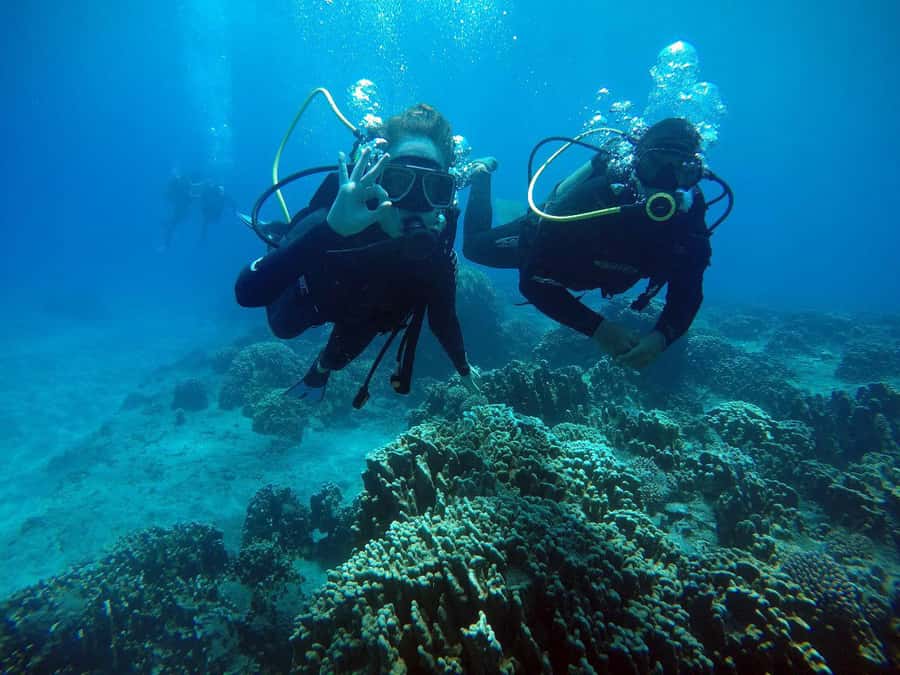
Your instructor can explain how the suit, mask, fins, vest, and tank work, then cover basic safety and underwater behavior. The instruction is available in English or Spanish. The staff is also expected to accompany you closely throughout the activity rather than sending you off to manage the equipment alone.
That personal support has real value for beginners. One participant described the outing as a very good introduction and specifically appreciated being looked after during a first underwater session. The small group limit of 10 also helps, although the exact amount of one-to-one attention will depend on how many people attend and their experience levels.
You do not need to know how to swim to take part, according to the activity information. Still, this is not a reason to treat the session casually. Scuba equipment, unfamiliar breathing, and open water can feel demanding, so tell the instructor if you are nervous, uncomfortable, or unsure.
The listed health restrictions are important. The outing is not suitable for children under 12, people with heart problems, people with altitude sickness, or people with high blood pressure. Alcohol and drugs are not allowed.
Reaching the site from the cove
After the briefing, expect about 30 minutes of water transport or vehicle transfer from Hanga Piko to the underwater site. The choice depends on maritime conditions. The exact meeting point is also confirmed 48 hours before the activity, so you should check your messages before setting out.
This flexible transfer is practical on an exposed island. Sea conditions can change, and using a vehicle when needed is more sensible than forcing a boat trip in poor conditions. It also means the precise site is not fixed far in advance.
You should build some patience into your schedule. One participant had an 11 a.m. appointment but left for the site about an hour later, losing much of the day. The welcoming desk staff and the instructor were praised for clear explanations and a professional manner, but the delay was still a real inconvenience.
For that reason, I would avoid placing this activity beside a tight lunch reservation, airport transfer, or another must-do plan. The stated duration is 150 minutes, but preparation, sea conditions, and a late departure can affect how much of your day it occupies.
One hour among fish, coral, and Pacific water
The main underwater session lasts one hour. That gives you enough time to settle into the equipment, watch the fish, and take in the unusual setting without making the whole day about one activity.
The water is known for strong visibility, which is especially useful for beginners. You can see where you are going, watch marine life at a comfortable distance, and take in the seabed without needing advanced underwater skills. The clarity also helps the included photos and video capture something worth keeping.
Expect tropical fish and coral as the basic scenery. Turtles are also among the possible encounters. The activity is not presented as a wildlife guarantee, so you should arrive ready to appreciate the whole setting rather than judge the outing by one particular animal sighting.
The experience can suit a certified participant, too. One certified guest expected a straightforward visit to the submerged moai rather than an introductory session, but the team adjusted the equipment and accommodated that person. Joacquin and Carla were singled out for helping assemble the gear and carry it to and from the boat.
That detail tells you something useful about the service. You are not necessarily expected to handle every heavy or technical task alone. Still, it is wise to state your certification level clearly when booking, since the activity appears designed to work for both beginners and people with prior training.
Same base, a completely different landscape:
- From Hanga Roa: Rapa Nui Culture Sightseeing Tour
★ 4.6 · 307 reviews - From Hanga Roa: Easter Island Highlights 2-Day Tour
★ 4.3 · 205 reviews - From Hanga Roa: Journey from Orongo to Ana Te Pahu
★ 4.3 · 75 reviews - Two days of Full Day Tour of Rapa Nui + Sunrise in Tongariki
★ 4.8 · 55 reviews
What first-time participants should expect underwater
If you have never used scuba equipment, your first moments may be the most important part of the session. You will need to get comfortable breathing through the regulator, wearing the vest, and clearing or adjusting the mask if needed.
The instructor’s presence is a major part of the value here. This is not simply equipment rental followed by an unsupervised swim. The guide accompanies you through the activity and provides personalized help.
You should also understand that not knowing how to swim does not mean the session will feel effortless. The supplied information says swimming ability is not required, but you still need to follow instructions and communicate clearly with the instructor.
The full equipment package includes the wetsuit, mask, fins, vest, and tank. One participant found the water surprisingly warm and noted that the suit helped keep it comfortable in November. Conditions can vary, but the suit is included, so you do not need to arrange your own standard kit.
If you become unwell, tell the company as soon as possible. One couple who fell ill was allowed to change from scuba to snorkeling. That option is a kindness rather than something I would assume is guaranteed for every booking, so confirm the arrangement directly if your health changes.
The submerged moai and certification limits
The moai is the activity’s most famous talking point, but it needs careful explanation. You can see marine life and enjoy the underwater scenery without certification, yet reaching the drowned moai requires going deeper than a non-certified participant can safely manage.
Do not book this expecting every member of a mixed-experience group to reach the statue. A certified partner may be able to visit it while a beginner remains at a shallower level with the instructor or follows the plan set by the team.
The information provided does not explain the statue’s exact origin or archaeological status. I would therefore treat it as an underwater moai sight rather than assume you are visiting an ancient site in the formal archaeological sense.
That does not make it less interesting. The image of a moai below the Pacific gives the outing a strong Rapa Nui identity, and it separates this experience from a generic fish-watching session. Just match your expectations to your certification and the maritime conditions on the day.
Photos and video add value to the $139 price
At $139 per person, this is not the cheapest way to spend two and a half hours in Rapa Nui. The price makes more sense when you add up the full equipment rental, instruction, transport to the site, one hour in the water, and photos and video.
You receive the suit, mask, fins, vest, and tank rather than needing to source them separately. For a first-time participant, the instruction and personal supervision are just as important as the gear. The included media is another useful benefit, especially if you want a record of the fish, coral, or the moai.
Bring a pendrive, memory card, or suitable cable so the staff can transfer the files to your Android or iPhone. This is an easy detail to miss, and without a way to receive the files, you may not be able to take home the images and video at the end.
The value is strongest for someone who wants a guided first scuba session and does not already own equipment. Certified participants should compare the price with their goals. If you only want the moai and prefer a longer, more technical outing, ask what the session includes before paying. If you want a small group, gear, guidance, and a compact schedule, the package is easier to justify.
Small-group care, with a few timing questions
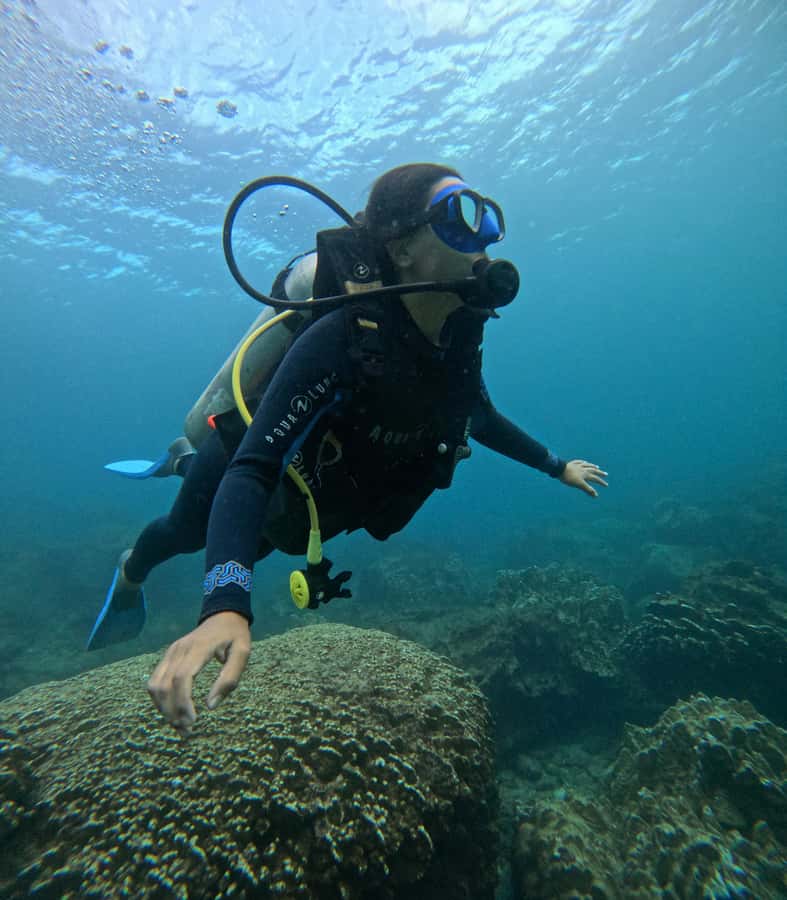
The group limit of 10 is helpful. It keeps the briefing manageable and gives the instructor a better chance to notice when someone needs assistance. That matters more here than it would on a simple boat ride, since comfort and safety depend on clear communication.
The service receives particularly strong praise for careful handling and safety. The staff members named in the feedback, including Joacquin and Carla, were described as helpful with equipment and transfers. The reception staff and WhatsApp contact were also noted for clear explanations.
The weak point is not the underwater instruction but the schedule. A late departure can take a large bite out of your day, even if the actual session is enjoyable. I would book it on a day when you have room to wait.
Communication is available in English and Spanish. The meeting point is not fixed in the information provided, and you receive it 48 hours before the start. Check that message carefully, especially if you are staying away from Hanga Piko.
Free cancellation is available up to 24 hours before the activity for a full refund. You can also reserve now and pay later, which helps if your Rapa Nui plans are still changing.
Who will get the most from this Rapa Nui outing?
This experience suits you best if you want a guided introduction rather than a full-day technical program. It is especially useful for a first scuba session, a visitor who wants clear water and tropical marine life, or a couple looking for an activity that feels specific to Rapa Nui.
It can also work for certified participants, provided you explain your background before the session. The team accommodated a certified guest, but the outing is still framed around an introductory pace.
I would be more cautious if you have very little flexibility in your schedule. The 150-minute plan is clear, but the delayed departure reported by one participant shows that the day can run longer in practice.
You should also skip it if you are within 12 hours of a flight. This restriction is easy to overlook and important to follow. The same applies if you have one of the listed heart, blood pressure, or altitude-related conditions.
Should you book it?
Book this outing if you want a small-group, equipment-included introduction to Rapa Nui’s underwater world, and if the chance to see a submerged moai appeals to you without making it your only goal. The clear water, tropical fish, possible turtles, included media, and close instructor support give the $139 price reasonable value.
Certified participants should confirm how the underwater moai visit fits their level. Beginners should focus on the quality of the instruction and the marine setting rather than promise themselves a deep statue visit. Leave plenty of time around the booking, bring a cable or storage device for your photos, and keep at least 12 hours before flying.
FAQ
Where does the experience begin?
The activity begins at Hanga Piko. The meeting point details are fixed and sent 48 hours before the activity starts.
How long does the full experience last?
The stated duration is 150 minutes. This includes a 30-minute safety briefing, 30 minutes of transport to the site, one hour underwater, and 30 minutes of return transport.
Is scuba certification required?
Certification is not required for the introductory underwater experience, but it is required to reach the submerged moai. You cannot swim deep enough to reach it without certification.
What equipment is included?
The package includes a suit, mask, fins, vest, and tank. Photos and video are also included.
Can I take part if I do not know how to swim?
Yes. The activity information says swimming ability is not required. You still need to follow the instructor’s safety instructions during the session.
How long before a flight can I take part?
You cannot take part if you fly within 12 hours. Plan your activity and flight with that time limit in mind.
Just added around Hanga Roa
- Easter Island: Customized recreational-tourist diving★ 5.0 · 3 reviews
- Ancestral fishing: Fishing with an experienced Rapa Nui★ 4.4 · 3 reviews
- Rapa Nui: Polynesian Massage★ 4.8 · 5 reviews
- Rapa Nui: 3 Excursions with Hotel Transfers★ 4.3 · 6 reviews
- Volcanic Refuges: Excursion to Underground Civilization★ 4.7 · 8 reviews
- Easter Island: The Moai Trail Private Archeological Tour★ 4.9 · 12 reviews
- Rapa Nui Highlights Program: 3 incredible tours to discover!★ 4.8 · 18 reviews
- Easter Island: Half-Day Archaeology Tour★ 4.2 · 19 reviews
Easter Island Tours, compared.

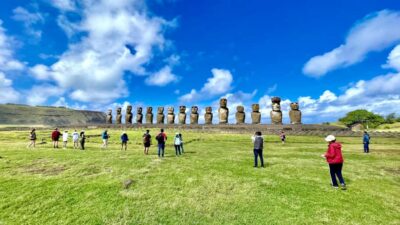
Two days of Full Day Tour of Rapa Nui + Sunrise in Tongariki
Read our review →
Browse the lists this tour appears in