
Reviewed · EASTER ISLAND TOURS
Ancestral fishing: Fishing with an experienced Rapa Nui
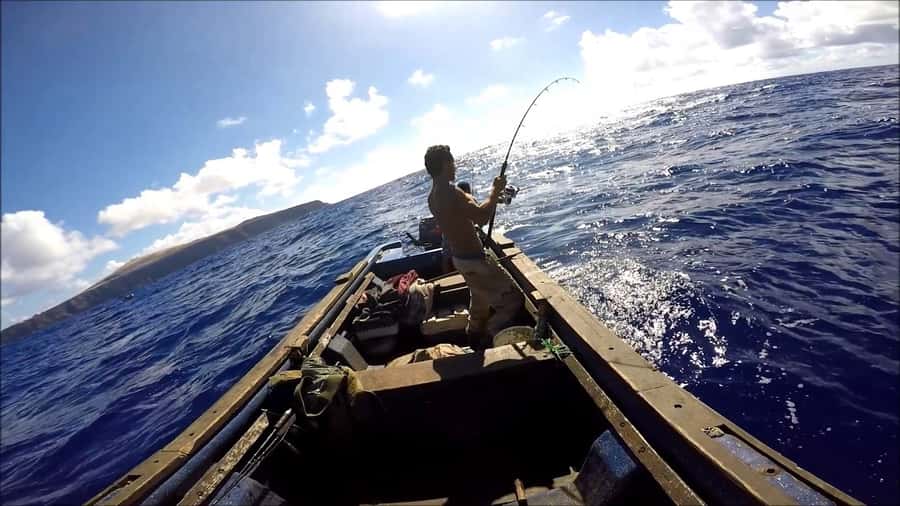
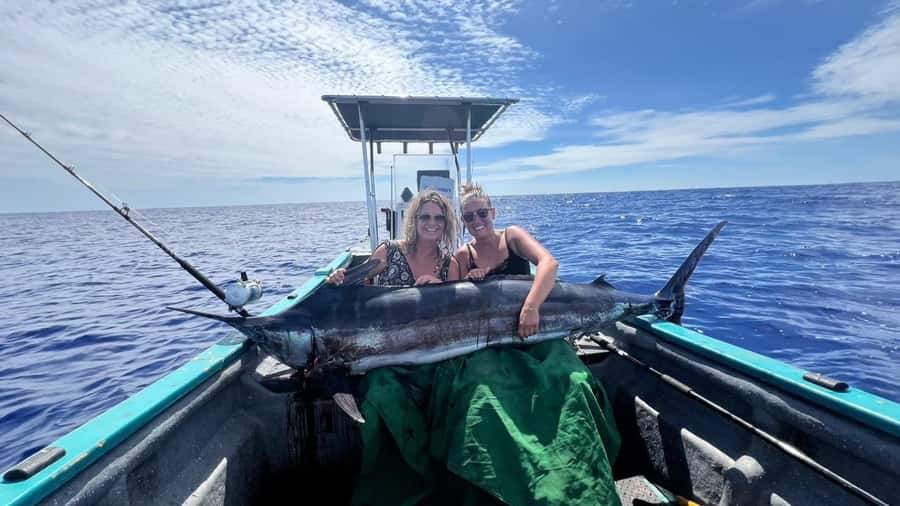
Fishing off Rapa Nui with local fishermen gives you something a day around the moai cannot: time on the Pacific with a living tradition. You leave Hanga Roa by boat, learn how the equipment is prepared, and try ancestral fishing methods under the guidance of native Rapa Nui fishermen.
I like the private format and the chance to see the island from the water, especially the birdman areas and offshore islets. I also like that your catch may be prepared by the fishermen, turning a successful outing into a local meal. The main drawback is simple: three hours is brief, and fishing depends on weather, sea conditions, and the fish cooperating.
Key points to know before you book
- Traditional fishing with Rapa Nui fishermen: You learn the techniques directly from local people rather than watching a staged demonstration.
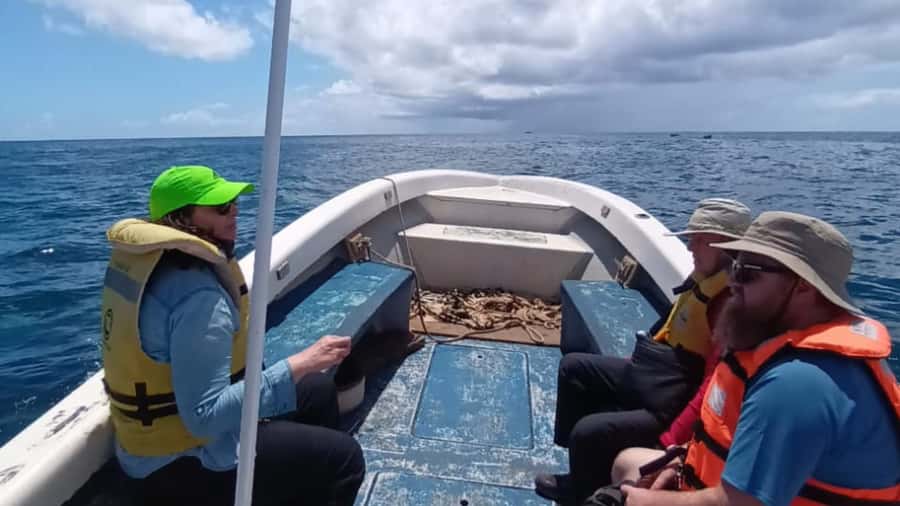
- Private boat outing from Hanga Roa: Pickup and return are included, and the group is reserved for you.
- Coastal stops add variety: Hanga Piko and Ana Kai Tangata break up the fishing time with a short guided visit and a photo stop.
- Weather matters: A postponed departure can affect your wider island plans, so keep some flexibility in your schedule.
- Your catch may become dinner: Food is not included, and the fish may not be filleted, so ask how the preparation and transport will work.
- English and Spanish guiding: Communication can vary, so Spanish speakers may find the cultural explanations easier to follow.
Why ancestral fishing adds something different to Rapa Nui
Rapa Nui is famous for its moai, but the island is also a small community in the middle of the Pacific. Fishing is not just a pastime here. It connects people to the sea, to food, and to older ways of using the waters around the island.
This outing gives you a practical look at that connection. You are not simply sitting in a boat while someone else fishes. The fishermen show you the equipment, explain the process, and guide your hands as you try it yourself.
That distinction matters. A standard sightseeing boat can give you fine views, but this trip asks you to take part. You may catch a fish, or you may spend the time learning and watching the water. Both outcomes are part of the deal.
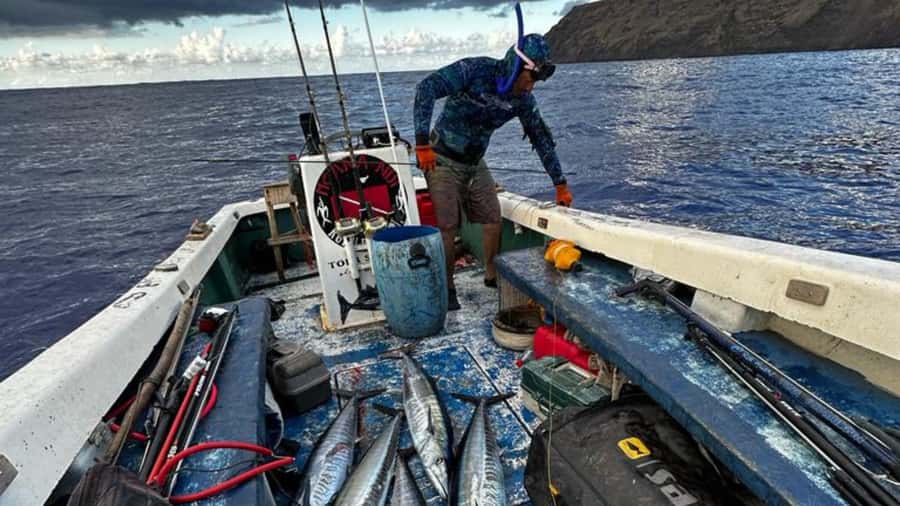
The catch is never guaranteed. One outing produced a fish, while another had poor fishing conditions despite persistent effort from the guide. The fisherman moved between areas known for better chances, but even local skill cannot make fish bite on command.
I would book this for the cultural contact and time at sea first, and the meal second. If you need a guaranteed catch, this is the wrong activity. If you want to see how local knowledge shapes a day on the water, it has a much stronger case.
More moai and Rapa Nui sites:
- From Hanga Roa: Rapa Nui Culture Sightseeing Tour
★ 4.6 · 307 reviews - From Hanga Roa: Journey from Orongo to Ana Te Pahu
★ 4.3 · 75 reviews - Two days of Full Day Tour of Rapa Nui + Sunrise in Tongariki
★ 4.8 · 55 reviews
Hanga Roa pickup keeps the morning or afternoon easy
The tour begins with pickup in Hanga Roa and returns you there at the end. Pickup can be arranged from any place you want, according to the tour details, which is useful on an island where your lodging, restaurant, and activity base may all be close but not necessarily next door.
The total outing lasts three hours. That includes transport, the Hanga Piko visit, the Ana Kai Tangata photo stop, and about two hours at the fishing location. You get a focused half-day activity rather than a full-day commitment.
That short format works well if you are fitting several Rapa Nui sights into a tight schedule. It also means you should not expect a long fishing expedition with hours of patient waiting. Once pickup and the shore stops are counted, the main fishing time is roughly two hours.
The timing can shift because of the sea. One booking had to move to the following day because of weather. That is a useful warning: avoid placing this tour just before a flight or another activity you cannot change.
Hanga Piko gives you a quick start by the water
Hanga Piko is the first stop after pickup. The visit is guided and lasts about 10 minutes.
This is a short introduction rather than a major sightseeing stop. It gives you a chance to get close to the harbor setting, meet the pace of the outing, and begin thinking about Rapa Nui as an ocean island rather than only an archaeological destination.
Do not expect a long talk here. The stop is brief, and the real teaching begins once you are preparing to fish. If you are taking photos, have your camera ready, but keep your attention on the transition to the boat and the equipment.
The harbor visit also helps the outing feel connected to daily island life. You are starting from a working coastal point, not from an elaborate tourist attraction. That plain beginning suits the purpose of the trip.
Ana Kai Tangata is a 10-minute coastal photo stop
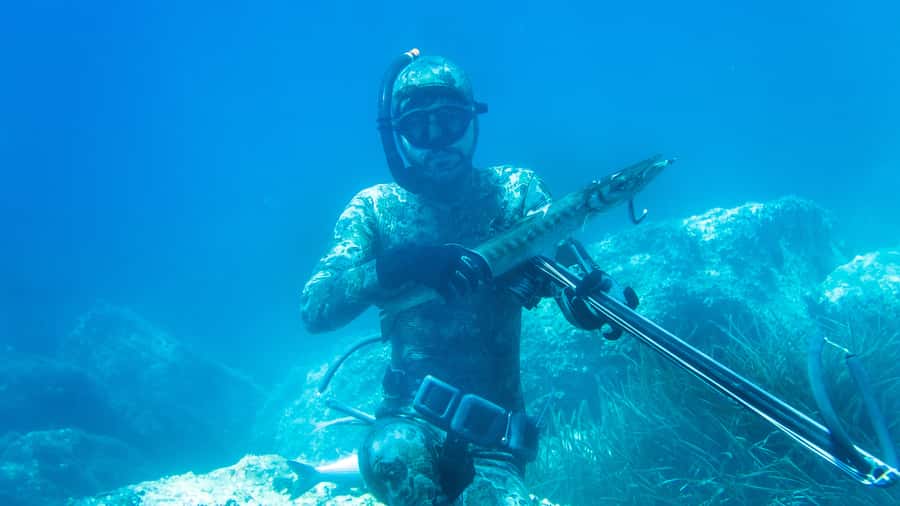
The next stop is Ana Kai Tangata, where you have about 10 minutes for photos. The name is associated with a coastal cave site near Hanga Roa, and the stop gives you a quick look at the island’s volcanic shoreline before the longer boat outing.
Its role in the itinerary is modest but useful. You get a change of scene before settling into the fishing portion, and the coast provides a different view than you will have from inland roads and moai sites.
Again, keep your expectations in proportion. Ten minutes is enough for a photo stop, not a detailed visit. You will not have time for a long cultural presentation or an extended walk.
The stop is best treated as a bonus. The fishing is the main event, while Ana Kai Tangata adds a little coastal context and a chance to take home a few photographs.
Same base, a completely different landscape:
- From Hanga Roa: Easter Island Highlights 2-Day Tour
★ 4.3 · 205 reviews - Sunrise Tongariki: Sunrise at Tongariki Park Private Tour
★ 4.5 · 47 reviews - Rapa Nui Dreams: Experiencie Pack 3 Days
★ 4.7 · 32 reviews - Easter Island: Full-Day Tour to Anakena
★ 4.7 · 27 reviews
Two hours on the Pacific with local fishermen
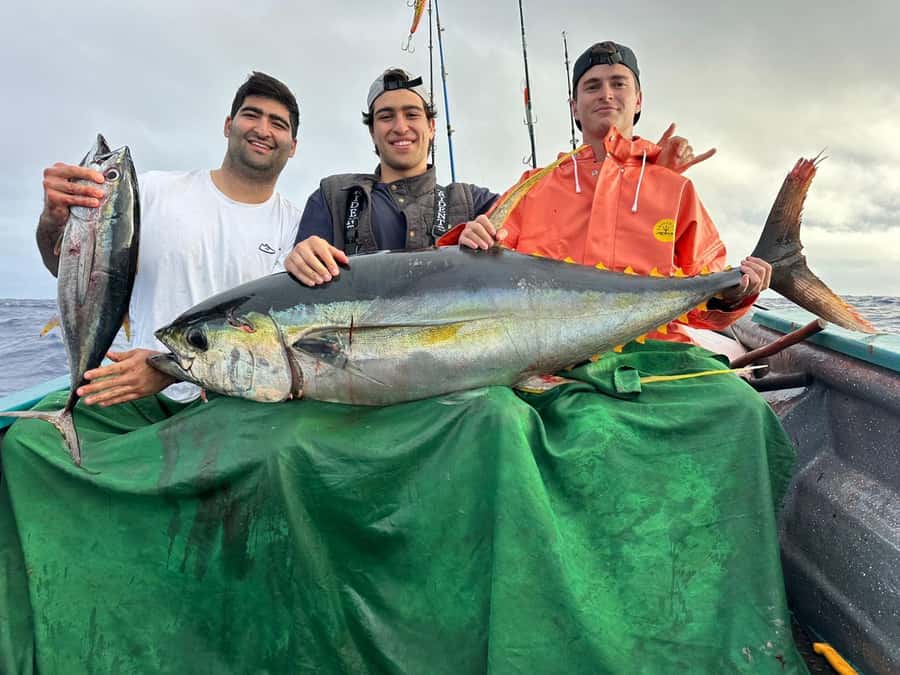
The central part of the tour takes place at the location identified in the route details by the map code 554GVCR7+PCW. Here, you spend about two hours fishing with native Rapa Nui fishermen.
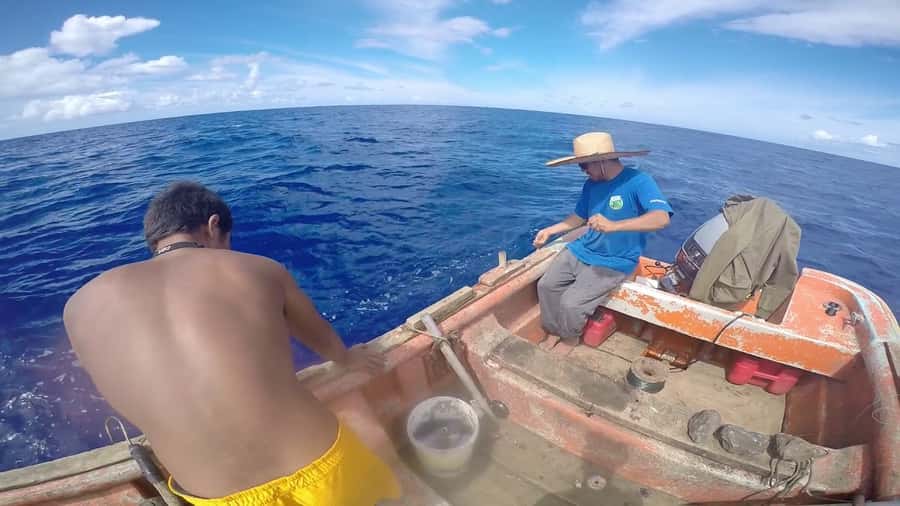
The guides take you through the process step by step. You learn how the fishing equipment is prepared, how the technique works, and how to handle the gear. The point is not to hand you equipment and leave you to guess. The fishermen guide you as you try.
That direct instruction is the strongest part of the tour for me. An ancestral technique makes more sense when you feel the rhythm of it and see how the fisherman adjusts to the water. Even if the fish are not biting, you are still learning how the activity works.
The trip also brings the coast into view from a different angle. One successful outing included views near the birdman areas and offshore islands. Those sights give you something to watch between attempts, and they help make the boat ride worthwhile even during a slow fishing spell.
Conditions can change the character of the outing. On a good day, you may catch a fish and have a clear view of the coast. On a poor day, the boat ride and instruction may carry more of the value than the fishing itself.
I would bring patience and a flexible attitude. You may spend time moving between places where the fisherman expects better chances. That effort is encouraging, but it is not a promise of a catch.
What the private format means on the boat
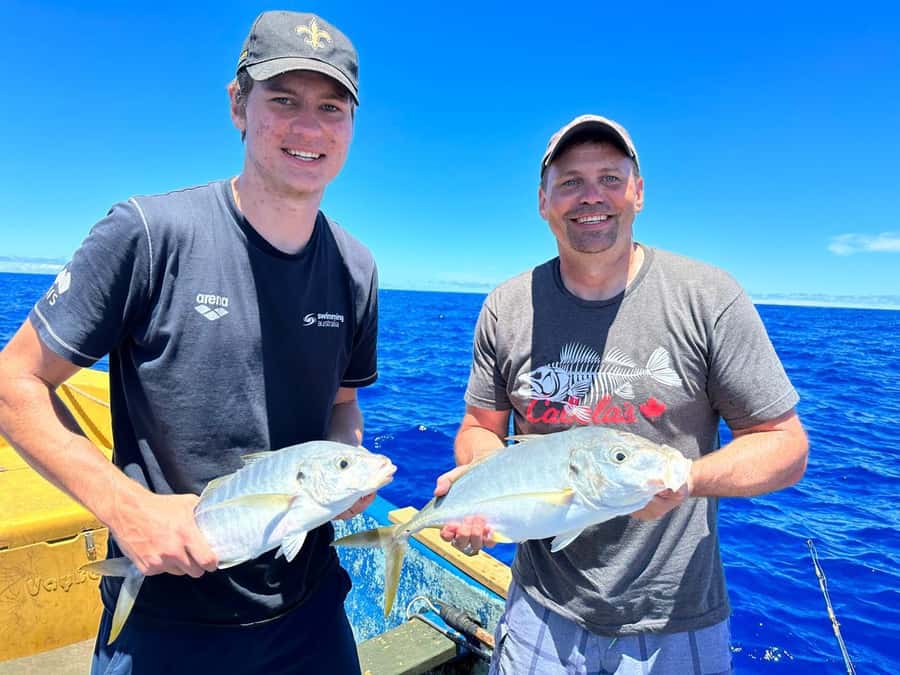
This is a private group activity. That gives you more control than a large shared excursion, even though the exact boat size is not provided.
You can ask questions as the equipment is prepared, request clarification, and learn at a pace that suits your group. If someone in your party has never fished before, the guide can focus attention where it is needed instead of moving quickly through a standard presentation.
The private format also makes the outing feel more personal. You are spending time with the fisherman who is showing you the technique, not just listening to a guide speak to a crowd.
There is one practical point to keep in mind. The quality of communication may depend on the guide assigned to your departure. English and Spanish are offered, and one English-speaking guide was described as very good. Another outing was harder for a visitor with only low-intermediate Spanish. If you do not speak Spanish, confirm that an English-speaking guide is available for your date.
Snorkeling equipment is included, but ask how it fits the plan
The price includes snorkeling equipment, along with a life jacket and fishing equipment. The supplied details do not say that snorkeling is a planned part of every departure, so I would not book this expecting a separate snorkeling session.
Still, the equipment can be useful if the guide includes any water activity or if conditions allow a short look below the surface. Ask before departure how the snorkeling gear will be used and whether you should plan to enter the water.
A life jacket is provided, which is an important basic safety item for an ocean outing. You should still bring suitable beachwear, sandals, sunscreen, and a change of clothes.
Wear shoes that are comfortable for getting in and out of the boat or moving around the harbor. Keep your belongings simple and protected from salt water. The tour does not specify storage arrangements, so avoid bringing anything you would regret getting wet.
The fish may be your best souvenir, but plan for the mess
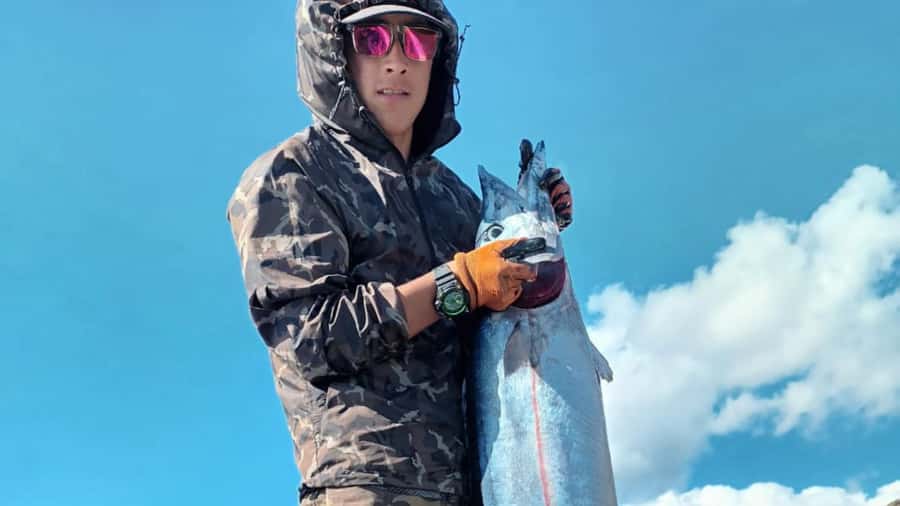
One appealing part of the outing is the possibility of eating what you catch. The fishermen prepare the fish so you can enjoy it as a local dinner, giving the activity a satisfying connection between sea, work, and food.
There is an important detail here. Food is listed as not included, and the fish may not be filleted. If you plan to take your catch elsewhere, bring a cooler and bags or another suitable way to transport it.
A bucket of water may keep the fish contained, but it can also make a mess. That practical lesson is worth taking seriously. Ask the fishermen what happens to the catch after the trip, where it will be prepared, and whether any meal is part of the arrangement or something you organize separately.
Do not assume that catching a fish automatically means you receive a prepared restaurant-style dinner. The activity description says the fishermen prepare the fish, but food is not included in the price. Clarify this before you go, especially if the meal is a major reason for booking.
Is $180 a good value for three hours?
The price is $180 per person. That is not a cheap way to spend three hours, particularly if your main goal is simply to catch fish.
The value improves when you count the whole package: hotel pickup and return, a private group, a local fishing lesson, boat time in the Pacific, coastal stops, equipment, and live guiding in English or Spanish. You are paying for access to a personal cultural activity, not just for a seat on a boat.
The price is also easier to justify for people who have already planned their main moai visits and want a second side of Rapa Nui. This gives you an active experience and contact with local fishermen, two things a standard island sightseeing tour may not provide.
The value is weaker if your schedule is tight or if you are sensitive to weather risk. A postponed trip can interfere with other plans, and a slow fishing day means the views and instruction become the main reward.
I would compare it with your priorities rather than with the price of a basic boat ride. If you want an authentic activity tied to Rapa Nui culture, $180 can make sense. If you want reliable sightseeing or a guaranteed meal, spend your money elsewhere.
Who will enjoy this Rapa Nui fishing trip most?
I recommend it most to people who like hands-on activities, local food, and time outdoors. You should be comfortable with an uncertain result and happy to learn even if you do not catch anything.
It is a good fit for a couple, family, or small private group that wants something different after visiting archaeological sites. The English and Spanish guide option makes it workable for many visitors, but you should confirm your preferred language if clear cultural explanations matter to you.
Fishing enthusiasts will appreciate the chance to try a local method in the Pacific. Even experienced fishers should remember that this is a cultural activity as much as a sport. The guide’s local knowledge is part of what you are buying.
I would hesitate to recommend it to anyone with only a narrow window before a flight. Weather can force a change, and three hours can become difficult to fit if your island schedule is packed.
Practical preparation for the ocean
Bring comfortable shoes, sandals, beachwear, sunscreen, and a full change of clothes. The change of clothes is especially sensible for an ocean trip, even though the activity details do not promise swimming.
Fishing equipment, snorkeling equipment, and a life jacket are provided. You do not need to bring those basics, but you may want a cooler and bags if you hope to transport the fish afterward.
Keep your camera ready for Ana Kai Tangata and the views near the birdman areas and offshore islands. Protect it from spray, and do not let photography distract you from the fishing instruction.
Most of all, leave room in your plans. The sea decides the schedule more than the printed clock does, and a weather delay can shift the outing to another day.
Should you book Ancestral Fishing with an Experienced Rapa Nui?
Book it if you want to meet Rapa Nui culture through an active tradition, not just through monuments and museums. The private setting, local instruction, Pacific views, and chance to eat your catch give the outing a clear identity.
Skip it if you need a guaranteed fish, a guaranteed meal, or a fixed schedule. Before paying, confirm the English guide, ask how the catch will be prepared, and check how the snorkeling equipment fits into your departure.
For the right person, this is a memorable addition to a Rapa Nui visit. The fish may not cooperate, but the boat ride, local teaching, and view of the island from the sea still give the three hours a purpose.
FAQ
Where does the fishing tour begin?
Pickup begins in Hanga Roa, and hotel pickup and return are included. Pickup can be arranged from any place you want.
How long does the activity last?
The full activity lasts three hours. The route includes about 10 minutes at Hanga Piko, 10 minutes at Ana Kai Tangata, and about two hours at the fishing location.
Is the tour private?
Yes. The activity is offered for a private group.
What languages are available?
Live guiding is available in English and Spanish.
Is fishing equipment provided?
Yes. Fishing equipment is included in the price.
Is snorkeling equipment included?
Yes. Snorkeling equipment and a life jacket are included. The supplied details do not state that snorkeling is part of every departure, so ask the provider how it will be used.
Is food included?
No. Food is not included. The fishermen may prepare fish that you catch, but you should clarify the preparation and meal details before departure.
What should I bring?
Bring comfortable shoes, sandals, sunscreen, beachwear, and a change of clothes. If you plan to transport a fish, bring a cooler and bags or another suitable container.
Can I cancel the booking?
You can cancel up to 24 hours in advance for a full refund. You can also reserve now and pay later.
Just added around Hanga Roa
- Easter Island: Customized recreational-tourist diving★ 5.0 · 3 reviews
- Rapa Nui: Polynesian Massage★ 4.8 · 5 reviews
- Rapa Nui: 3 Excursions with Hotel Transfers★ 4.3 · 6 reviews
- Volcanic Refuges: Excursion to Underground Civilization★ 4.7 · 8 reviews
- Easter Island: The Moai Trail Private Archeological Tour★ 4.9 · 12 reviews
- Easter Island: Tropical Diving★ 4.8 · 13 reviews
- Rapa Nui Highlights Program: 3 incredible tours to discover!★ 4.8 · 18 reviews
- Easter Island: Half-Day Archaeology Tour★ 4.2 · 19 reviews
Easter Island Tours, compared.

Two days of Full Day Tour of Rapa Nui + Sunrise in Tongariki
Read our review →
Browse the lists this tour appears in