
Reviewed · EASTER ISLAND TOURS
From Hanga Roa: Journey from Orongo to Ana Te Pahu
The most striking part of this tour is the way it links Rapa Nui’s sacred sites into one long day. You begin above the Rano Kau crater, hear the story of the Bird Man competition at Orongo, then move through moai platforms, a red-stone quarry, and a cave once used for shelter and storage. It gives you a broad look at the island rather than a single famous stop.
I like the strong variety and the sensible pacing. Rano Kau and Orongo provide the big views and cultural drama, while Ana Te Pahu gives you a close look at the island’s volcanic interior. I also like that the tour includes hotel pickup and return, which matters on a full seven-hour outing.
The main caution is that several stops require walking, sometimes for about an hour, and one recent experience had a guide speaking mainly to people at the front. Stay close to the guide, wear proper shoes, and ask to repeat anything you cannot hear.
Key points to know before you book
- Orongo sits on the rim of Rano Kau, with wide views across the crater and Pacific Ocean.
- The Bird Man story comes alive at Orongo, where the ceremonial village gives the legend a real setting.
- Ana Te Pahu is the most physical stop, taking you into cool volcanic caves once used by islanders.
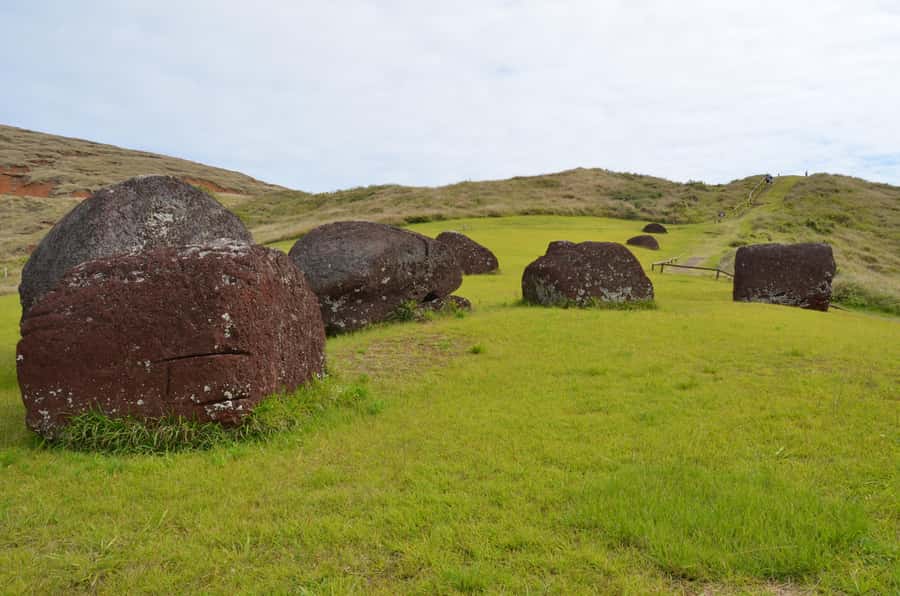
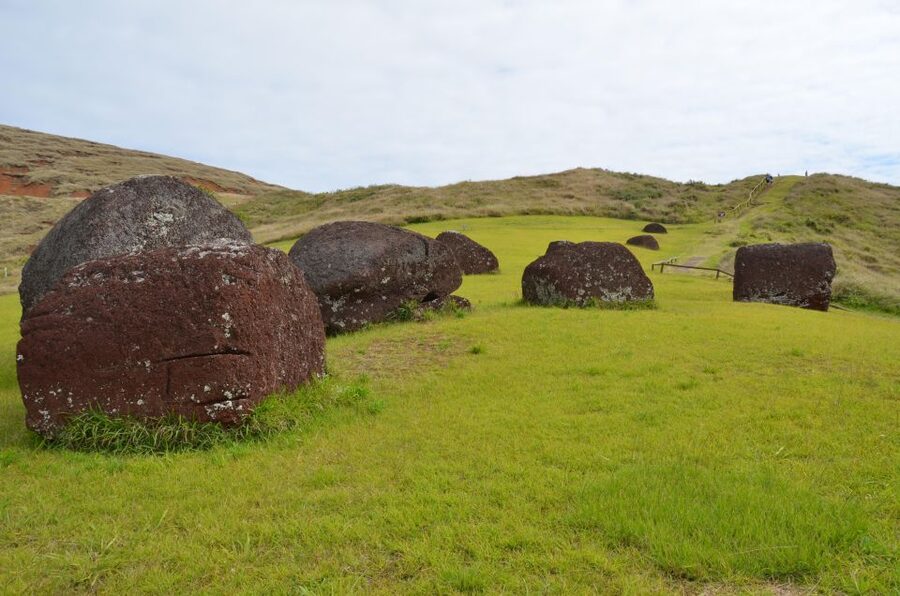
- Puna Pau explains the red topknots, the distinctive crowns placed on many moai.
- Six major sites fit into seven hours, making this a useful choice if your time on Rapa Nui is limited.
- The $70 price excludes the National Park ticket, so buy that before the tour begins.
A full day across Rapa Nui’s sacred sites
This outing works best as a broad introduction to Easter Island, known locally as Rapa Nui. Rather than keeping you in one area, it takes you from the high volcanic rim to ceremonial ruins, stone platforms, a quarry, and underground caves.
That range is the real value. You see the island’s monuments, but you also learn how the people shaped stone, used natural spaces, and organized religious life. The day has a clear arc: volcanic power at Rano Kau, ceremony at Orongo, stonework at Vinapu and Ahu Akivi, then practical and artistic details at Ana Te Pahu and Puna Pau.
The tour lasts about seven hours, with transport from Hanga Roa. Since the sites are spread out, the included vehicle and hotel pickup save you from arranging separate rides. The guide is available in English or Spanish, and the company contacts you about 10 minutes before the driver arrives.
More moai and Rapa Nui sites:
- From Hanga Roa: Rapa Nui Culture Sightseeing Tour
★ 4.6 · 307 reviews - Two days of Full Day Tour of Rapa Nui + Sunrise in Tongariki
★ 4.8 · 55 reviews - Rapa Nui Dreams: Experiencie Pack 3 Days
★ 4.7 · 32 reviews
Rano Kau begins the day with a giant crater
After about 15 minutes by bus or coach from Hanga Roa, you reach Rano Kau for a guided visit of roughly 45 minutes. The crater is one of the day’s great visual moments, with a broad volcanic basin and views toward the Pacific.
I like starting here because it gives you a sense of Rapa Nui’s scale before the tour turns to archaeology. The crater is not just a scenic viewpoint. It helps explain why volcanic stone and natural formations matter so much across the island.
You have enough time for a guided look, but not an open-ended hike around the crater. That distinction matters. If you want a long walk or quiet time alone, this schedule may feel brisk. If you prefer a clear explanation and a chance to see several important sites in one day, the 45-minute stop is well judged.
Bring water from the start. There is no internet in the park, and you should not count on online maps or messages during the day.
Orongo puts the Bird Man legend in place
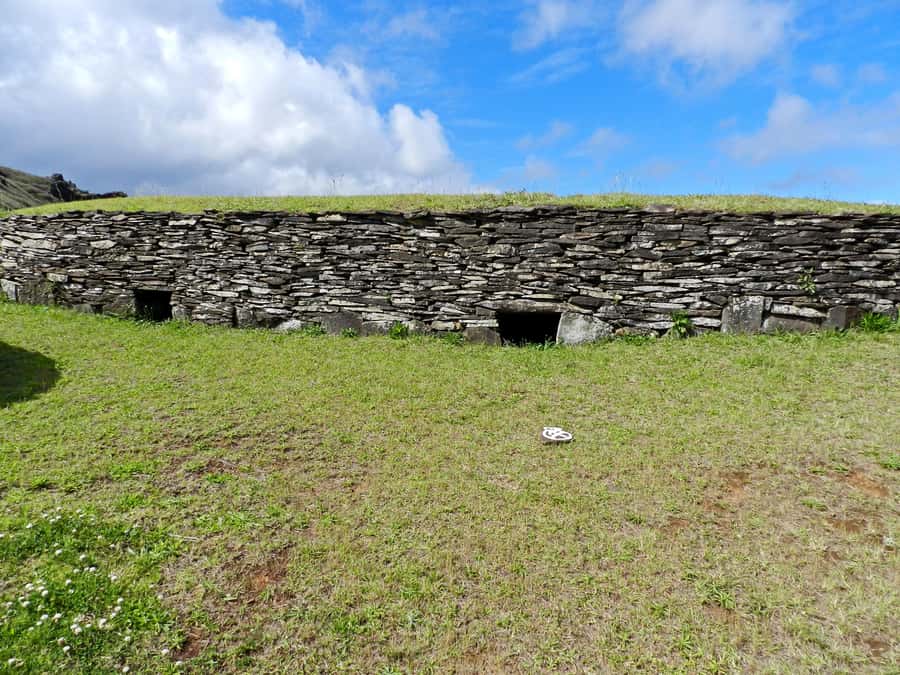
The next stop is Orongo, where you spend about an hour with the guide. The ceremonial village sits along the rim of Rano Kau, combining dramatic views with one of the most memorable cultural stories on Rapa Nui.
Orongo is closely tied to the Bird Man tradition. The site helps you understand that this was not simply a village of stone houses. It was a ceremonial place connected to status, competition, belief, and the power of the natural world.
This is where the guide’s explanation matters most. The stones and crater views are striking, but the meaning can be hard to grasp without context. A guide such as Ata or Javiera can make the site easier to read by connecting the village, the crater, the sea, and the Bird Man legend.
Recent feedback points to a practical issue: one guide spoke mostly to those walking at the front, leaving people behind unable to hear every explanation. You can reduce that risk by staying near the guide and letting the group know if the pace is too quick. Orongo deserves your full attention, and missing the spoken details would take away much of its value.
Vinapu shows the precision of ancient stonework
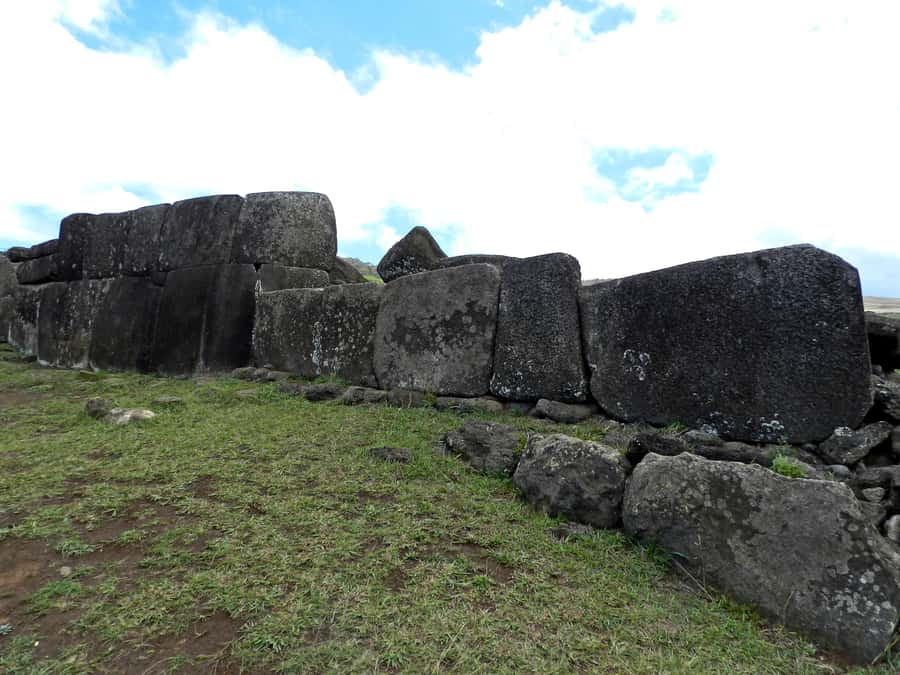
At Ahu Vinapu, the tour shifts from volcanic scenery to monumental construction. You have around 45 minutes to examine the large stone structures and hear how the pieces were placed.
The important thing here is the craftsmanship. The stones are not merely scattered remains. Their arrangement invites you to look closely at edges, joints, and the care required to move and set heavy blocks. The guide helps turn what might otherwise look like a pile of weathered rock into evidence of planning and skill.
Vinapu also gives the day a useful contrast. Orongo is about ceremony and belief, while Vinapu directs your attention to engineering and building methods. You begin to see that Rapa Nui’s monuments were part of a much larger system of labor, ritual, transport, and design.
The 45-minute visit should be enough for a guided explanation and photographs. You will not have unlimited time to inspect every stone, so listen first and explore second. Comfortable shoes are important throughout the day, especially as the ground at archaeological sites can be uneven.
A few more Hanga Roa half-days to weigh up
- From Hanga Roa: Easter Island Highlights 2-Day Tour
★ 4.3 · 205 reviews - Sunrise Tongariki: Sunrise at Tongariki Park Private Tour
★ 4.5 · 47 reviews - Easter Island: Full-Day Tour to Anakena
★ 4.7 · 27 reviews - Hanga Roa: Full Day Moai and Mistery
★ 4.4 · 22 reviews
Puna Pau explains the moai’s red crowns
Puna Pau is the quarry where the red scoria topknots were made. The visit lasts about 45 minutes and focuses on the meaning of these stone crowns and the work involved in creating them.
Many people know the moai, but the topknots are easier to overlook. Puna Pau corrects that. The red stone gives the monuments a different visual character, and the quarry shows that the statue-making tradition involved more than carving the gray figures themselves.
I like this stop because it adds a small but important piece to the larger story. You are not only looking at finished monuments. You are seeing one source area for the materials and learning how separate elements were prepared for use.
This is also a good place to pay attention to the guide’s wording. The cultural importance of the topknots is not obvious from the stone alone. English and Spanish guiding is available, but the group may include people with different language needs. If you do not catch an explanation, ask promptly rather than waiting until the next stop.
Ahu Akivi brings the seven moai into focus
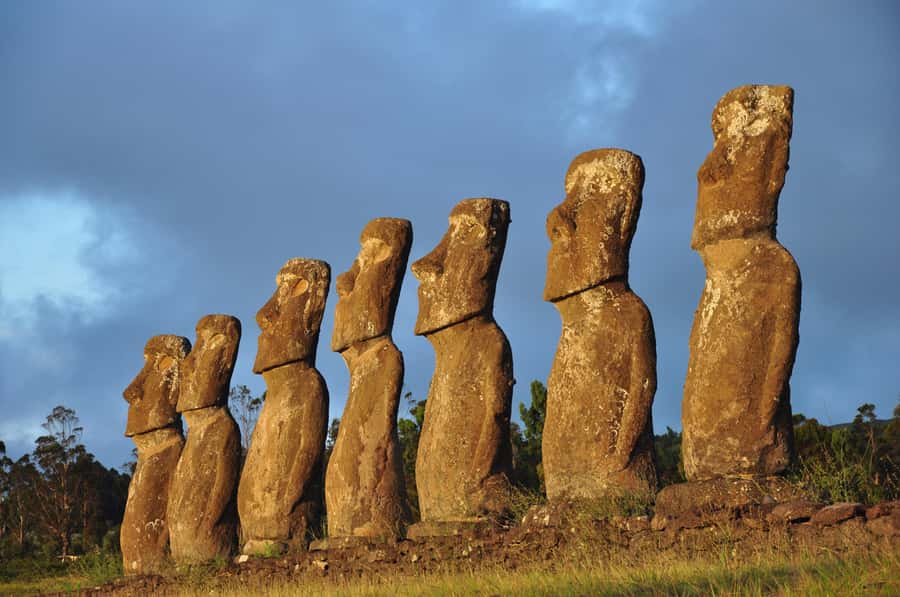
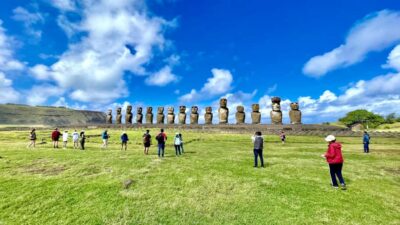
Ahu Akivi is known for its platform with seven moai statues. The guided stop lasts about 45 minutes and explains the figures as representations of the island’s seven explorers.
The site offers a different feeling from the volcanic rim and the quarry. Here, the statues themselves take center stage. Their arrangement gives you a chance to think about how Rapa Nui communities used platforms, figures, and orientation to express identity and memory.
The seven explorers story is one of the details that makes Ahu Akivi especially useful for first-time visitors. It gives the statues a narrative rather than leaving them as anonymous stone figures. You can look at the platform with more purpose, considering why these particular moai were placed together and what they were meant to represent.
Again, the visit is structured rather than leisurely. You receive about 45 minutes, enough for a focused talk and time to look around. If you want long stretches of solitude at the platform, a private or slower arrangement would suit you better. For a first survey of the island, the stop earns its place.
Ana Te Pahu takes you below the volcanic surface
Ana Te Pahu is the most unusual stop for anyone who wants more than statues and viewpoints. You spend about an hour exploring a volcanic cave system that served as shelter and storage for islanders.
The temperature and atmosphere change as you enter the cave. The rock walls feel cool, and the setting shows how natural spaces could become part of everyday life. This is not just an underground photo stop. It adds a practical side to the day, showing how people adapted to the island’s volcanic terrain.
You should treat this as the tour’s most physical section. The information says that some sites involve around an hour of walking, and Ana Te Pahu is the stop where comfortable footwear matters most. Wear clothes you can move in, bring a reusable water bottle, and keep cash with you for the day.
The cave may not suit everyone. If enclosed spaces or uneven walking are difficult for you, consider that before booking. The tour takes place rain or shine, so outdoor conditions can also affect how comfortable you feel moving between the entrance and the vehicle.
What the seven-hour schedule means for you
The schedule is full, but it is not overloaded with minor stops. You spend about 45 minutes at Rano Kau, one hour at Orongo, 45 minutes at Vinapu, 45 minutes at Puna Pau, 45 minutes at Ahu Akivi, and one hour at Ana Te Pahu.
That adds up to nearly five hours at the sites, with the remaining time used for driving, transitions, and getting back to Hanga Roa. I see this as a productive day rather than a relaxed one. You will cover a lot, but you will also need to listen, walk, and move on when the group is ready.
The order makes sense. The dramatic crater and ceremonial village come first, followed by stone platforms and production sites. The cave near the end gives the day a change of pace, though you may feel ready for a rest by then.
The tour provider includes hotel pickup and drop-off, which makes the logistics simple. The driver contacts you shortly before arrival, so keep your phone available before pickup. Since there is no internet in the park, download anything you need before leaving Hanga Roa.
The guide can shape the quality of the day
A strong guide is especially important on Rapa Nui. Much of what you see is made from stone, and the meaning of a site is not always clear from its appearance. The guide connects the physical remains to the Bird Man tradition, the seven explorers, the moai topknots, and the way caves were used.
Guides named Ata and Javiera have led this experience. Ata received praise for clear and interesting explanations, while Javiera was noted for answering questions with strong knowledge of the subject. Those details suggest that the quality of the commentary can be a real strength, although your assigned guide may be different.
The main weakness to watch for is group positioning. If the guide walks quickly or speaks only toward the front, people at the back can miss important points. Stay within hearing distance, and speak up early if you cannot follow.
The overall rating is 4.3 from 75 reviews, which fits my reading of the experience: a well-liked, useful full-day introduction with some normal group-tour limits. The volcano crater and pacing receive particular praise, while communication within the group deserves attention.
Is $70 good value for this Rapa Nui day?
At $70 per person, the tour offers solid value if you want to see six major sites in one outing. Hotel pickup, return transport, and a live guide are included, and the route would be difficult to cover as neatly without organized transport.
The price does not include the National Park ticket. You must buy that before the tour begins, so budget for it separately. This is the most important extra cost to remember when comparing the tour with other options.
I would choose this outing if you have limited time on the island or want a first-day overview before deciding which places deserve a slower return visit. The price is less attractive if you already have a private vehicle, a guide arranged separately, or several days to visit the sites at your own speed.
The ability to reserve now and pay later adds flexibility, and cancellation is free up to 24 hours before departure. Those policies are useful if your island plans are still shifting, but the real value remains the route and the guide’s explanations.
What to bring and what to expect
Pack light, but prepare for a full outdoor day. You should bring:
- Passport or identification card
- Comfortable walking shoes
- Comfortable clothes
- Cash
- A reusable water bottle
The tour runs in rain or shine. Do not bring a drone, since drones are not allowed. You should also expect limited connectivity because there is no internet in the park.
I would keep your phone charged for photos, but do not rely on it for directions or communication once you leave town. Stay with the group at each site, especially where the walking route is spread out.
This experience suits you best if you want cultural context, major archaeological sites, and a mix of walking and vehicle travel. It is less suitable if you prefer a slow private tour, dislike caves, or want long unscheduled breaks.
Should you book this Rapa Nui tour?
Book it if you want an efficient introduction to the island’s major sacred and volcanic sites for $70, with transport from Hanga Roa and a guide speaking English or Spanish. The combination of Orongo, Rano Kau, Ana Te Pahu, Puna Pau, Vinapu, and Ahu Akivi gives you much more range than a short moai-only outing.
Stay close to the guide, buy the National Park ticket in advance, and arrive ready to walk for much of the day. If Ata or Javiera leads your group, you may get especially strong commentary, but no guide is guaranteed.
I would recommend this tour to first-time visitors with one busy day available. If you have plenty of time or need a slower pace, choose a smaller or private option instead.
FAQ
How long does the tour last?
The tour lasts seven hours, including transportation between Hanga Roa and the sites.
Where does pickup take place?
Pickup and drop-off are provided from your hotel in Hanga Roa.
Which sites are included?
The tour visits Rano Kau, Orongo, Ahu Vinapu, Puna Pau, Ahu Akivi, and Ana Te Pahu.
Is the National Park ticket included?
No. You must buy the National Park ticket before the tour starts.
What languages are available?
The live guide service is available in English and Spanish.
How much walking is involved?
Some sites require about one hour of walking. Comfortable shoes and clothes are recommended.
Does the tour operate in bad weather?
Yes. The tour takes place rain or shine.
Can I bring a drone?
No. Drones are not allowed.
Can I cancel for a refund?
Yes. You can cancel up to 24 hours in advance for a full refund.
Just added around Hanga Roa
- Easter Island: Customized recreational-tourist diving★ 5.0 · 3 reviews
- Ancestral fishing: Fishing with an experienced Rapa Nui★ 4.4 · 3 reviews
- Rapa Nui: Polynesian Massage★ 4.8 · 5 reviews
- Rapa Nui: 3 Excursions with Hotel Transfers★ 4.3 · 6 reviews
- Volcanic Refuges: Excursion to Underground Civilization★ 4.7 · 8 reviews
- Easter Island: The Moai Trail Private Archeological Tour★ 4.9 · 12 reviews
- Easter Island: Tropical Diving★ 4.8 · 13 reviews
- Rapa Nui Highlights Program: 3 incredible tours to discover!★ 4.8 · 18 reviews
Easter Island Tours, compared.
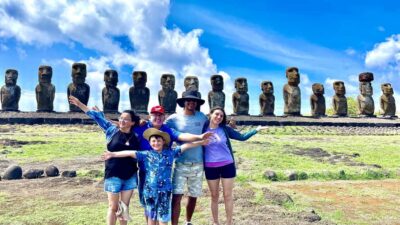
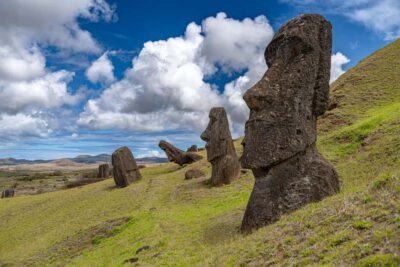
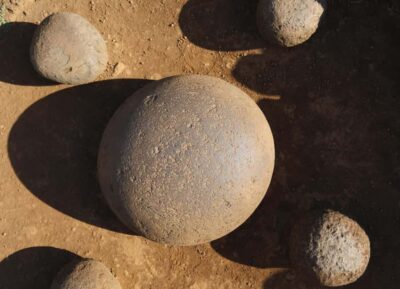

Two days of Full Day Tour of Rapa Nui + Sunrise in Tongariki
Read our review →

Browse the lists this tour appears in