
Reviewed · EASTER ISLAND TOURS
Easter Island: Private Full Day History Of The Moai
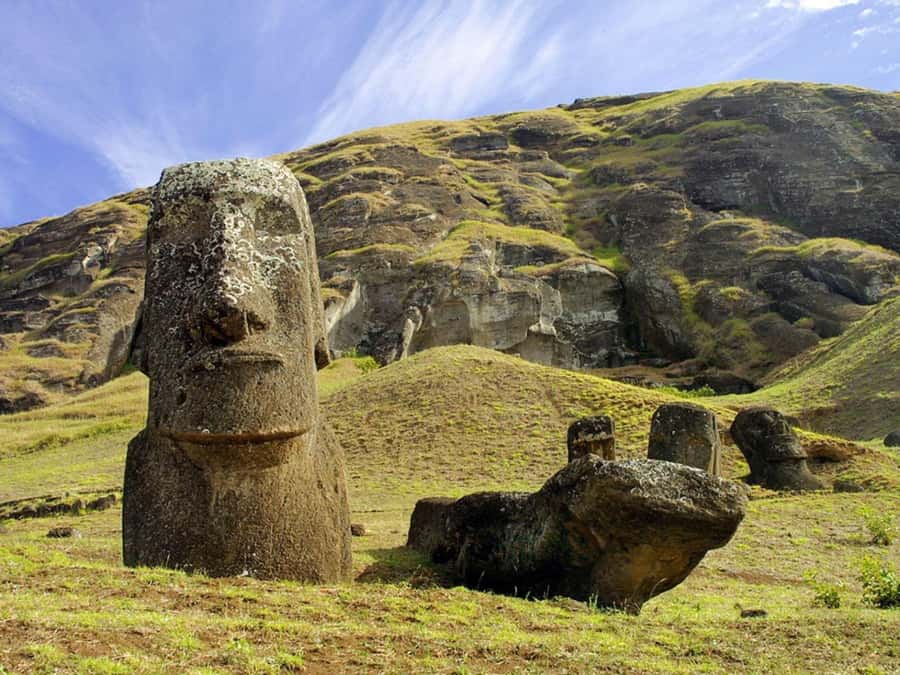
Easter Island’s Moai make the biggest impression when you see them in their original setting, not just in photographs. This private day trip links the island’s major ceremonial platforms, the quarry at Rano Raraku, and the broad line of 15 statues at Ahu Tongariki in one long, well-filled outing.
I like the private format and the route’s variety. You get close to unfinished statues, fallen and restored Moai, sacred stones, and two beaches, while guides such as Simon and Flora have been praised for their warmth, cultural insight, and ability to explain the meaning behind the statues. The main concern is organization: pickup delays and uneven English communication have caused real problems for some people.
Key points to know before booking
- Rano Raraku receives two full hours, giving you time to walk among unfinished Moai at the island’s famous quarry.
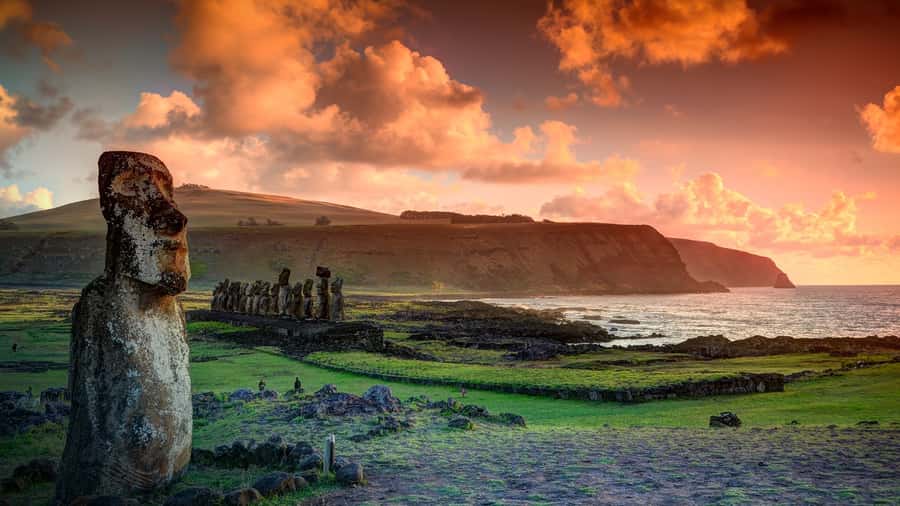
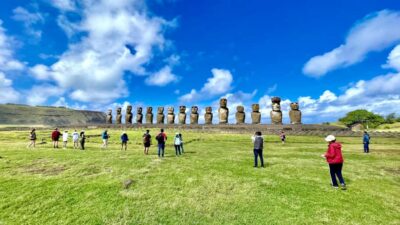
- Ahu Tongariki includes 15 restored Moai, one of Rapa Nui’s most memorable sights and a major reason to choose this route.
- The private group format allows more flexibility, with room to ask questions and adjust the pace within the seven-hour schedule.
- Anakena provides about 100 minutes, combining beach time, views, a guided visit, and a chance to stop for a picnic.
- Food and park entrance fees are extra, so you need to budget beyond the $219 price.
- Pickup communication needs attention, especially if you arrive by cruise tender or have a tight morning schedule.
Why this route gives you the full Moai picture
This is not a single-sight excursion. It is a fast but useful introduction to how Rapa Nui’s ceremonial sites, quarrying methods, burial traditions, and coastal settlements fit together.
You begin around Hanga Roa and head toward the eastern side of the island. The route then moves through several ahu, or ceremonial platforms, before reaching the quarry and the largest concentration of standing statues. It finishes at Ovahe and Anakena, where the tone changes from archaeology to swimming, scenery, and a relaxed picnic stop.
That variety matters. If you only see Tongariki, you get the grand photograph. If you only see Rano Raraku, you see the making of the statues but miss their final ceremonial setting. This tour gives you both ends of the story, plus the smaller sites that add texture.
At $219 per person, the price needs to be judged against the private vehicle, hotel pickup and return, a dedicated guide, and seven hours on the road. It is not a cheap sightseeing ride, especially since food and entrance fees are not included. Still, a private trip can be good value on Easter Island, where distances between sites are significant and a guide can turn a series of stone figures into a connected story.
More moai and Rapa Nui sites:
- From Hanga Roa: Rapa Nui Culture Sightseeing Tour
★ 4.6 · 307 reviews - From Hanga Roa: Journey from Orongo to Ana Te Pahu
★ 4.3 · 75 reviews - Rapa Nui Stargazing
★ 4.5 · 62 reviews
Ahu Vinapu and the island’s early mysteries
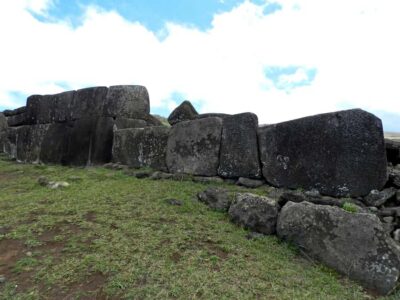
The tour description places Ahu Vinapu near the start of the day. Its carefully fitted stonework has often been compared with Inca masonry, a detail that gives the site its air of mystery.
Your guide should help you separate what is visible from what is only speculation. The important point is not simply that the stones look precise. It is that Rapa Nui builders created major ceremonial structures with their own local methods and traditions, long before modern machinery arrived.
This is a short early visit rather than the main event of the day. That makes it useful as an introduction, but you should not expect a long walk or an extended stop here. The route has many locations to cover, so the day works best when you accept that some smaller sites receive brief treatment.
Ahu Akahanga and Moai left where they fell
At Ahu Akahanga, you see Moai lying near their ceremonial platform rather than lined up in restored form. The stop includes a visit, guided explanation, photographs, and about 30 minutes of walking.
This site gives you a different view of Rapa Nui. At Tongariki, the restored figures create a powerful, orderly scene. At Akahanga, the fallen statues show the damage and upheaval that affected many ahu across the island.
I find this contrast helpful. It keeps the day from becoming a parade of identical standing figures. You can look at the statues as monuments, but also as pieces of an archaeological site with a long and difficult past.
The drawback is time. Thirty minutes is enough for an explanation and photographs, but not a slow exploration. If your guide is running late, this is the kind of stop that may be shortened.
One Makihi, a quick look at an unusual Moai
The stop at Ahu One Makihi lasts about 30 minutes and focuses on a Moai in a supine position. The statue is finely carved, but its placement gives it a very different feeling from the upright figures at Tongariki.
This is one of the more unusual moments on the route. It lets you see how much meaning can be lost when every photograph shows only a fully restored row of statues. One Makihi is a short stop, mainly for photos and sightseeing, so keep your expectations realistic.
The detailed schedule also includes a brief stop at Te Pito Kura, while one French-speaking participant reported that two short photo stops were skipped. I would treat this as a practical warning: the full route is ambitious, and the smallest stops may be dropped if the group runs behind.
More Historical Tours in Easter Island:
- Private tour: where the history of the Moai was born
★ 4.7 · 13 reviews - Santiago: Guided Walking Tour of the Historical Old Town
★ 4.8 · 459 reviews - Walking Tour Valparaiso, History & Art – Private Optional
★ 4.5 · 59 reviews - Essence of Santiago : History, Flavors and Panoramic Views
★ 5.0 · 45 reviews
Rano Raraku, the Moai quarry
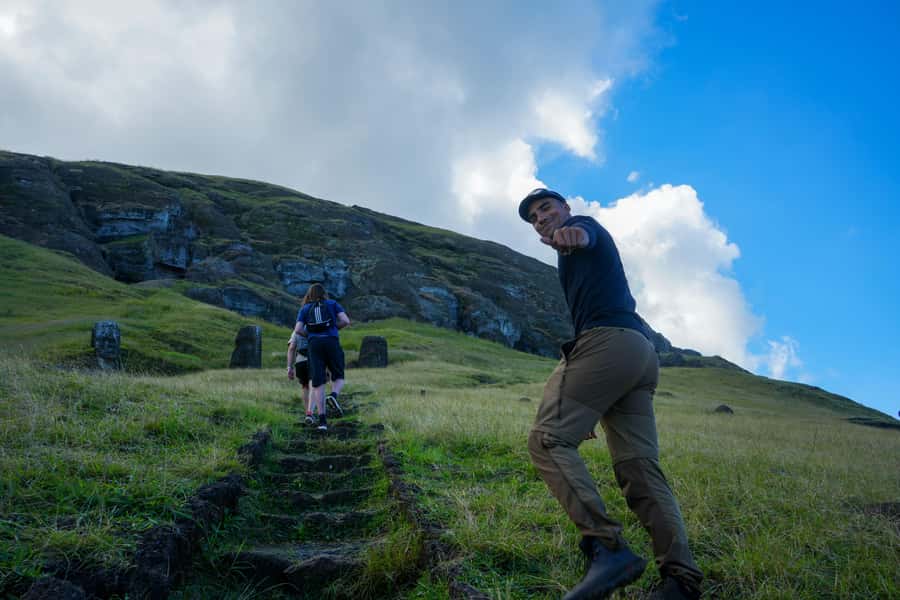
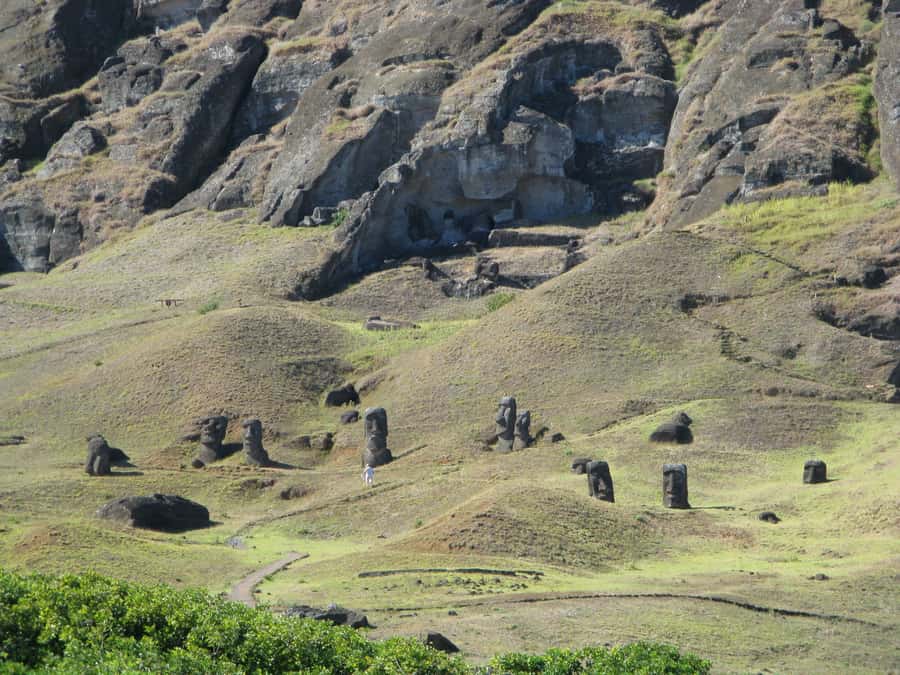
Rano Raraku is the heart of the day, and the tour allows about two hours here. That is the right kind of time allocation because this is not a roadside photo stop. You walk through the quarry area and see Moai at different stages of completion.
Some statues appear to emerge from the volcanic stone, while others remain attached to the rock. Seeing unfinished figures changes the way you think about the completed monuments. These were not simply transported stones. Each statue had to be shaped, separated, moved, and raised, all through a process your guide can explain on site.
The quarry also helps you understand why the Moai vary in size and condition. You can look closely at carving marks and unfinished forms instead of seeing only polished, finished monuments.
Wear comfortable walking shoes and bring sun protection. The provided individual bottle of water is useful, but one bottle may not be enough for a seven-hour day, especially with two hours on foot and time at the beaches. Since food is not included, carry snacks unless you plan to eat later at Anakena.
This is also the part of the tour where guide quality matters most. A strong guide can explain the role of the statues in Rapa Nui culture without reducing everything to measurements and numbers. One person had an excellent experience with Simon, who explained the history, culture, and meaning of the language. Another found the explanations repetitive and felt that questions were not understood in English. If you have a choice of language when booking, select the one in which you can ask detailed questions comfortably.
Ahu Tongariki and 15 restored Moai
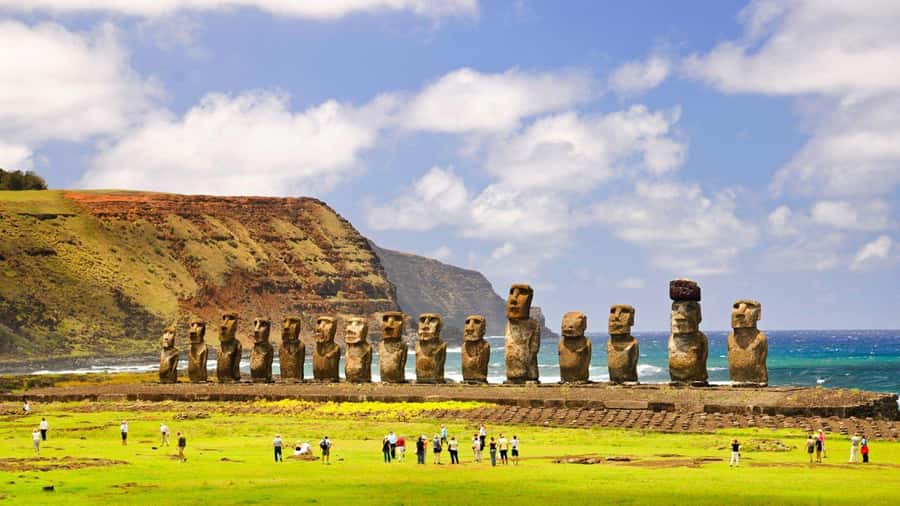
After the quarry, the tour continues to Ahu Tongariki, with about 80 minutes for photographs, walking, sightseeing, and a guided visit.
This is the grand scene most people picture when they think of Easter Island: 15 Moai arranged along a ceremonial platform with open country behind them. Their scale is impressive, but the arrangement is what gives the site its force. You can stand back and take in the entire row, then move closer to notice differences in height, shape, and restoration.
The stop is long enough to do more than snap a picture. Use the time to ask how the statues were placed, what happened to the ahu, and how the site was restored. Your guide should also explain why these figures mattered to the Rapa Nui people, rather than treating them as unexplained curiosities.
Tongariki can be the busiest-feeling part of the route simply because it is the most famous major platform on the schedule. A private group helps here. You do not have to follow a large crowd or wait for a full bus before moving on.
Te Pito Kura and the sacred stone
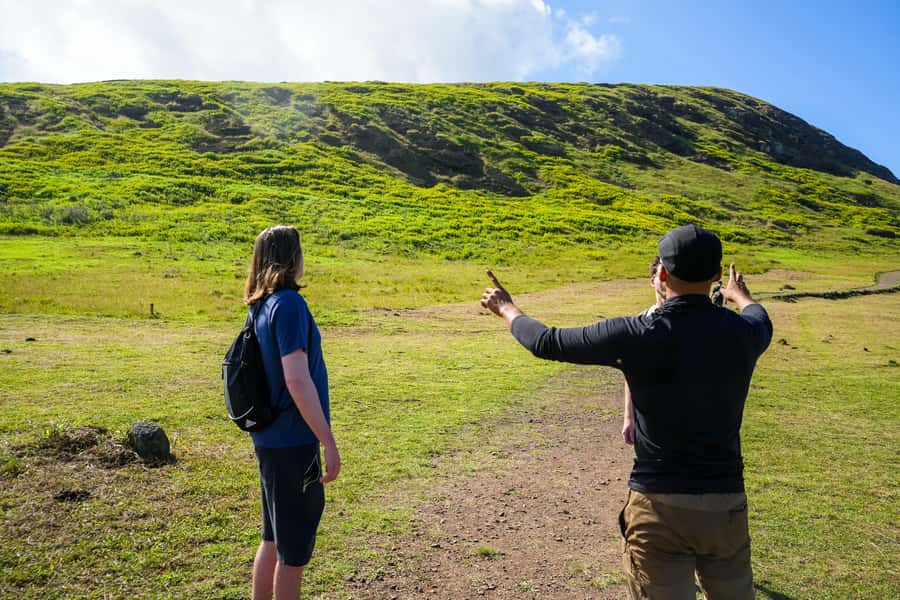
The stop at Ahu Te Pito Kura lasts about 20 minutes. This sacred place is associated with one of the island’s largest Moai, and the guide uses the site to explain the spiritual and cultural importance of the statues.
Twenty minutes is short, but it works as a focused pause between Tongariki and the beaches. You get time for a guided look and photographs, though not an extended walk.
The word sacred should be taken seriously here. This is not only a collection of enormous stones. The ahu and Moai were connected to the identity, ancestors, and ceremonial life of Rapa Nui. The quality of the explanation will shape your experience, so this is another place where a guide who welcomes questions adds real value.
Ovahe’s pink sand and Anakena beach
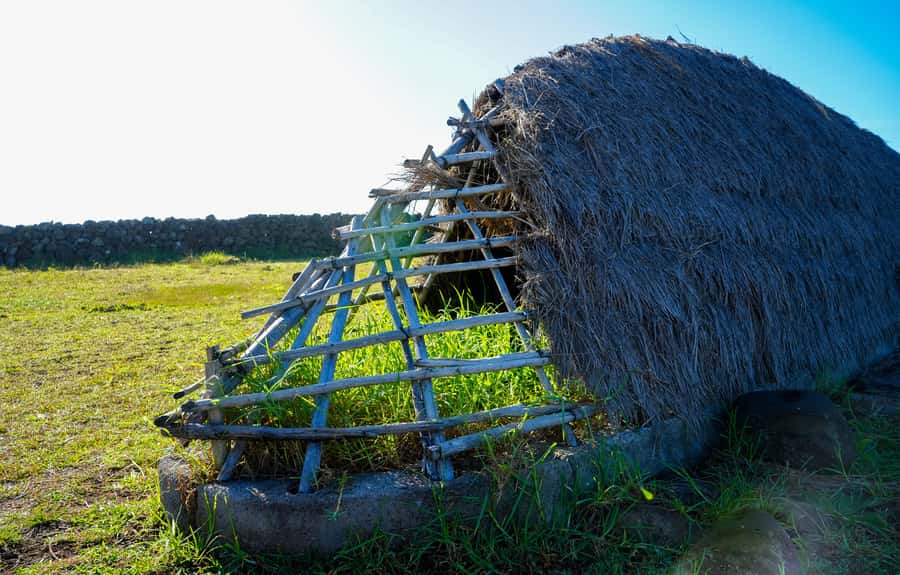
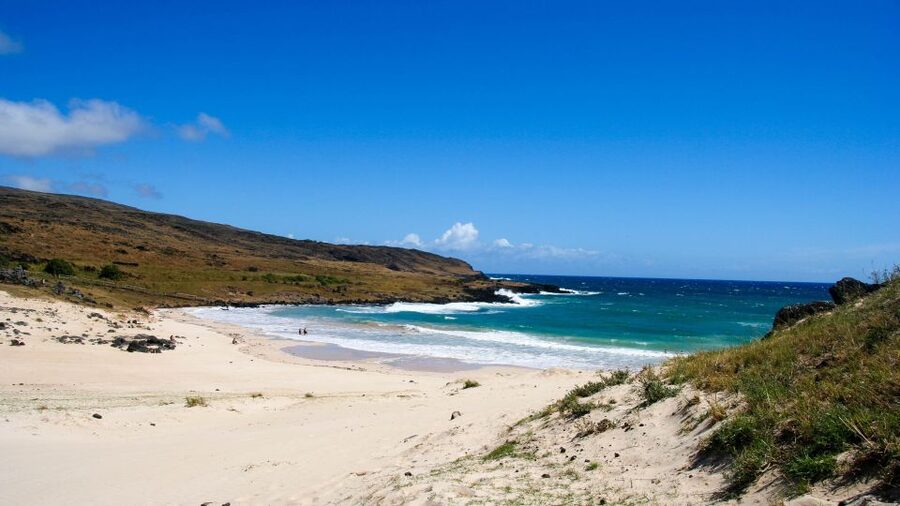
The route then reaches Ovahe, a smaller beach known for its pink sand. The scheduled stop is about 20 minutes, enough for photos, a guided visit, and a look at the setting.
Ovahe adds a welcome change after the stone platforms and quarry paths. It is not presented as a long swimming session, so think of it as a scenic pause rather than a full beach break.
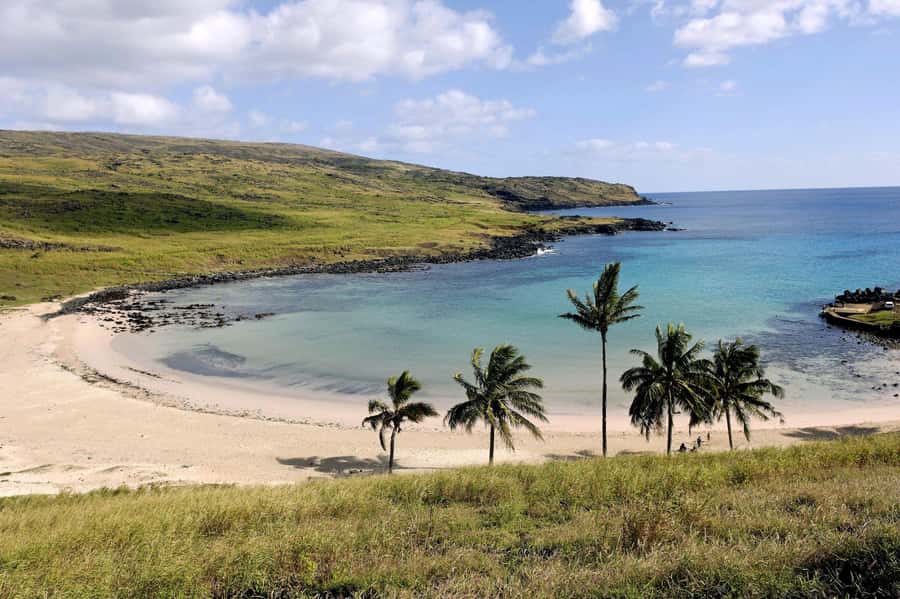
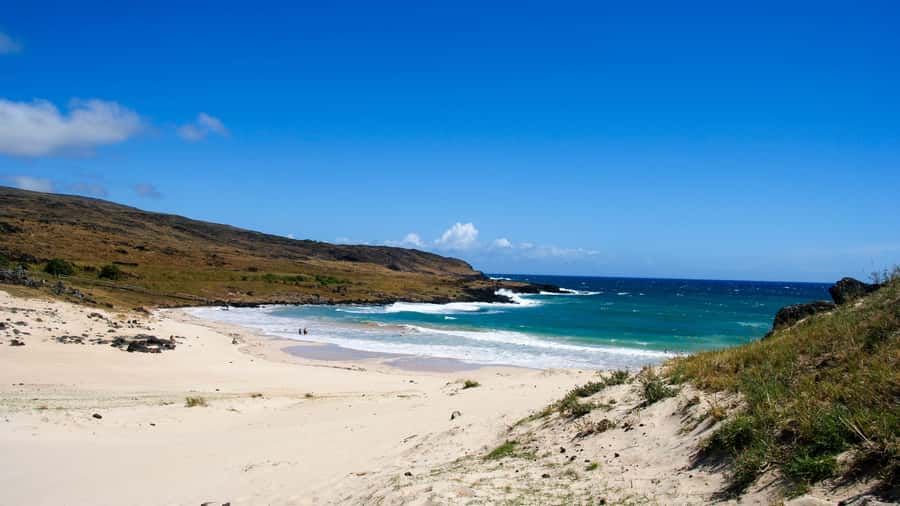
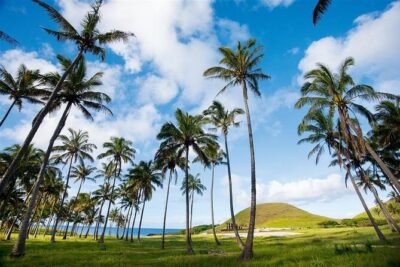
At Anakena, you have roughly 100 minutes for a guided visit, walking, sightseeing, photographs, and free time. A further 30-minute break includes scenic views and possible shopping. The combined time gives you the best chance to slow down at the end of the day.
Anakena is the tour’s most relaxed stop. You can look over the clear water, enjoy the beach, and have a picnic outdoors. Snorkeling and other water activities are mentioned as possibilities, but you should not assume equipment, instruction, or activity fees are included. The tour includes bottled water, not lunch or beach gear.
Plan your own food carefully. A picnic makes sense here, but the tour does not provide it. If you prefer to buy something, the free-time portion may allow shopping, though the exact options and opening hours are not specified.
The private format, guide quality, and timing
The private group setup is one of this tour’s strongest features. You can ask questions about language, rituals, carving, and restoration without competing with a large crowd. A private guide can also respond to your interests, at least when the schedule allows.
The guide team speaks English, Spanish, and French. Flora received particularly warm praise for her kindness and explanations, while Simon was credited with waiting for a delayed tender and then giving an impressive account of the island’s history and language.
That flexibility can matter if you arrive by cruise ship. One person reported that Simon waited when the tender arrived late. However, another cruise arrival had trouble finding the pickup and reached the tour only with help from local people near the port. A separate booking experienced a one-hour pickup delay, despite a scheduled 9 a.m. collection.
I would not ignore these reports. Wait in your hotel lobby 10 minutes before pickup, as requested, and confirm the meeting point in advance. If you are coming from a ship, send your arrival details to the operator and make sure the guide knows you are a tender passenger. Build in caution if you have a fixed ship departure time.
The seven-hour duration is long enough to cover the major sites, but the schedule is tightly packed. You get about 20 minutes at Hanga Roa, 30 minutes at Akahanga, 30 minutes at One Makihi, two hours at Rano Raraku, 80 minutes at Tongariki, 20 minutes at Ovahe, 20 minutes at Te Pito Kura, and around 130 minutes at Anakena in two portions. Delays can easily affect the shorter stops.
What the $219 price really includes
The price covers hotel pickup and return, a private group, a live guide, and one individual bottle of water. It does not cover food or entrance to the parks.
That last point is important. The advertised price is not the final cost of the day if you still need to pay admission and buy lunch. Check the current park entry requirements and price before booking, since the supplied details do not give an amount.
I see the value mainly in the private transport and the time saved organizing several remote sites yourself. You also get a guide who can connect the statues to Rapa Nui culture, which is far more useful than simply being driven from one photo stop to another.
The value drops if your main goal is a slow beach day. Much of the morning is dedicated to archaeology, and the route covers many stops. Choose this trip for range and context, not for a leisurely pace.
The experience currently carries a 4.6 rating from 12 reviews, with several strong comments about guide professionalism, kindness, flexibility, and cultural explanations. The lower scores are not minor quibbles, though. Pickup reliability and language ability can affect the whole day, so confirm both before paying.
Who should book this Easter Island tour?
I would choose this tour if you have one full day on Rapa Nui and want to cover the essential Moai sites in a private vehicle. It suits couples, families, and small groups who value personal questions and do not want to join a large coach.
It is also a good fit if Rano Raraku and Tongariki are your priorities. Those two stops receive the most useful time, and the route adds enough smaller ahu and beach scenery to keep the day varied.
You may want a different arrangement if you need guaranteed accessibility details, a very slow pace, or a tightly controlled cruise schedule. The supplied information does not describe accessibility, and the pickup reports show that communication can fail. Ask direct questions before booking rather than assuming the day will run perfectly.
FAQ
How long does the private Moai tour last?
The tour lasts seven hours, with pickup and return to Easter Island accommodation included.
Which languages are available?
A live guide is available in English, Spanish, or French.
Is this a private group tour?
Yes. The activity is arranged for a private group rather than a shared public group.
Are hotel pickup and return included?
Yes. Pickup and return to the hotel are included. You should wait in the hotel lobby 10 minutes before the scheduled pickup time.
Are food and park entrance fees included?
No. Food and entrance to the parks are not included. One individual bottle of water is included.
Can I cancel the booking?
You can cancel up to 24 hours in advance for a full refund. The reserve-now, pay-later option lets you book without paying on the day of reservation.
Should you book it?
Book this tour if you want a single private day covering Rano Raraku, Tongariki, several smaller ahu, and Anakena. The route gives you both the mystery of unfinished statues and the drama of 15 restored Moai, then finishes with time by the water.
Before booking, confirm your pickup point, arrival method, guide language, park fees, and food plan. If those details are clear, the tour offers a strong one-day introduction to Rapa Nui, with enough variety to justify the price and enough private time to make the history feel personal.
More Full-Day in Easter Island
- From Hanga Roa: Easter Island Sightseeing Full Day Tour
★ 4.5 · 189 reviews - Full day tour – DREAM
★ 5.0 · 86 reviews - Two days of Full Day Tour of Rapa Nui + Sunrise in Tongariki
★ 4.8 · 55 reviews - Easter Island: Full-Day Tour to Anakena
★ 4.7 · 27 reviews
Just added around Easter Island
- Easter Island: 2 Full Days Private Tour★ 3.9 · 3 reviews
- Easter Island: Full Day Ancestral Caves and Orongo Village★ 5.0 · 3 reviews
- Easter Island: Customized recreational-tourist diving★ 5.0 · 3 reviews
- Ancestral fishing: Fishing with an experienced Rapa Nui★ 4.4 · 3 reviews
- Birdman Cult and Caves★ 4.0 · 5 reviews
- Rapa Nui: Polynesian Massage★ 4.8 · 5 reviews
- Easter Island: Moai Full Day Private Tour★ 4.8 · 5 reviews
- Rapa Nui: 3 Excursions with Hotel Transfers★ 4.3 · 6 reviews
Easter Island Tours, compared.
Two days of Full Day Tour of Rapa Nui + Sunrise in Tongariki
Read our review →
Browse the lists this tour appears in