
Reviewed · EASTER ISLAND TOURS
Private Tour: The Underground World of Rapa Nui Caves
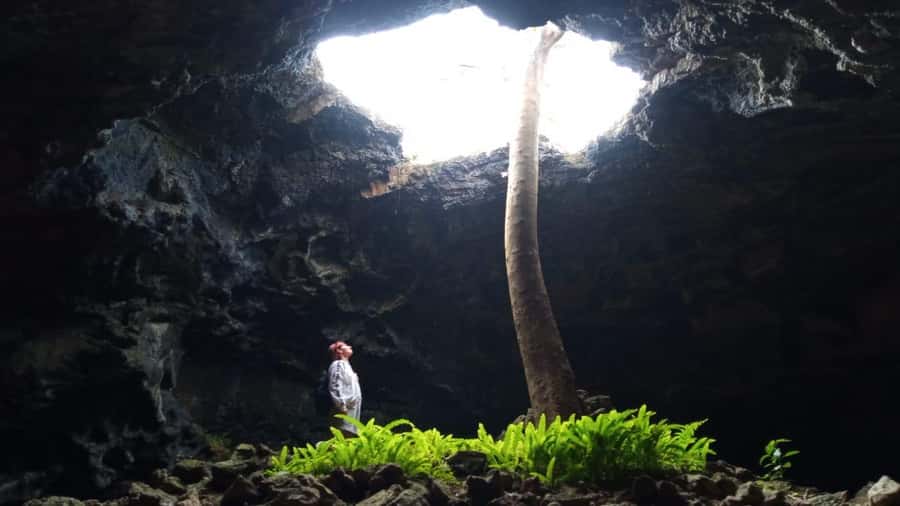
Rapa Nui keeps some of its best stories underground. This private tour links four cave and moai sites with peaceful coastal walks, so you get both the island’s volcanic geology and its living cultural memory in one half-day outing. Ana Kakenga and Ana Te Pahu are the main adventure stops, with dark passages and rough volcanic ground.
I like the private group format, which gives you room to ask about local customs, legends, and the meaning of the sites. I also like the practical setup: transport, pickup, drop-off, lanterns, and a rain cape are included, leaving you to focus on the cliffs and caves.
The main caution is physical rather than cultural. Some entrances are small, and you may need to crawl inside. The tour also lasts five hours, so you should be ready for a half-day of walking on uneven ground rather than a gentle sightseeing drive.
Key points to know before you go
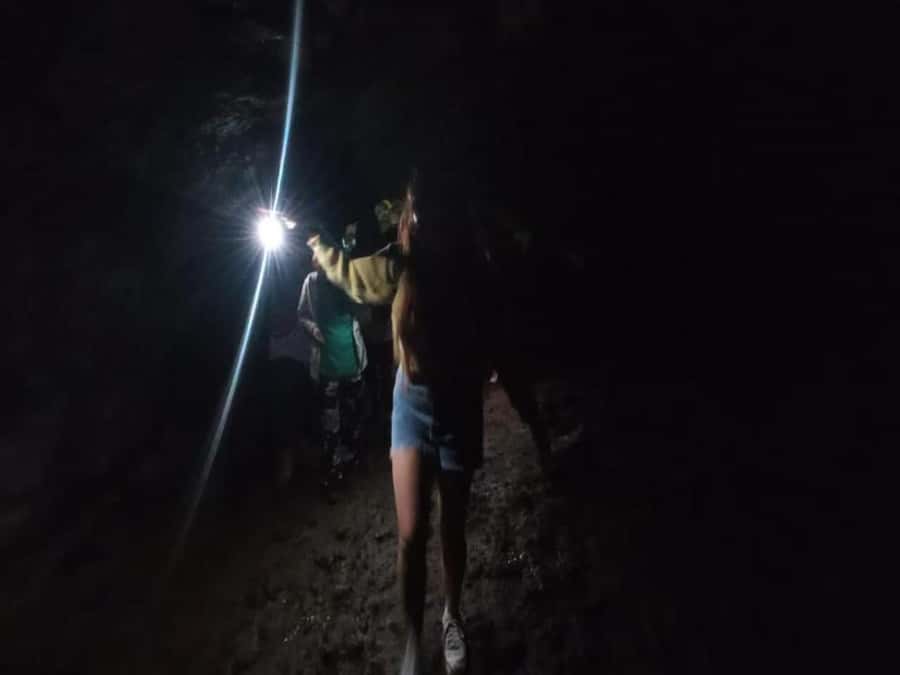
- Ana Kakenga and Ana Te Pahu bring the real cave adventure, with narrow entrances, lava-tube passages, and natural acoustics.
- Ahu Te Peu adds moai culture to a tour otherwise focused on volcanic caves and coastal scenery.
- A native guide leads the experience, speaking English or Spanish and explaining local beliefs, ceremonies, and folklore.
- Coastal cliff walks are calm and scenic, giving the outing a slower rhythm between cave visits.
- Transportation, lanterns, pickup, drop-off, and a rain cape are included, but the Rapa Nui National Park ticket is extra.
- The $150 price buys a private five-hour outing, useful if personal attention and flexibility matter more to you than the lowest possible cost.
Rapa Nui’s underground side
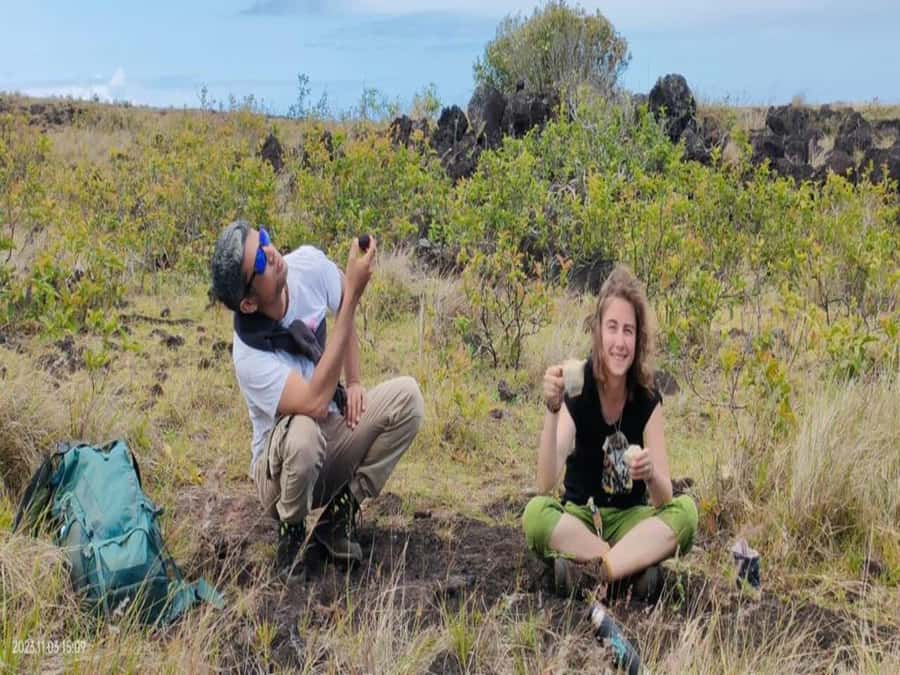
Most visitors first picture the moai when they think of Rapa Nui. This tour reminds you that the island’s volcanic ground is just as important. Lava once moved beneath the surface, leaving tubes and chambers that later became shelters, sacred places, and settings for stories passed down through generations.
I like the way this outing connects those two sides of the island. You are not simply walking through a cave, then checking a moai site off a list. Your guide links the shape of the rock to the beliefs and daily life of the Rapa Nui people, giving the scenery a human meaning.
The tour is based in the Valparaiso Region of Chile and lasts five hours. Pickup and drop-off are included, which matters on an island where a day of exploring can involve several separate sites. Transportation also keeps the outing practical if you are staying in the main settlement and do not have your own vehicle.
The setting changes often. You move from open coastal views to shaded volcanic passages, then back to ceremonial remains and cliff scenery. That variety helps the five hours pass without feeling like one long walk.
More moai and Rapa Nui sites:
- From Hanga Roa: Rapa Nui Culture Sightseeing Tour
★ 4.6 · 307 reviews - From Hanga Roa: Journey from Orongo to Ana Te Pahu
★ 4.3 · 75 reviews - Rapa Nui Stargazing
★ 4.5 · 62 reviews
Ana Kakenga and the first taste of lava tubes
Ana Kakenga is an early lesson in what this tour asks of you. The cave formed through old volcanic activity, and its passages show how molten rock shaped the island from below. Nature has done the carving here, leaving a space that feels far removed from the open grass and sea outside.
You should expect the entrance to be more demanding than a normal doorway. Some openings on this route are small enough that you may need to crouch or crawl. That detail is easy to overlook when you read about a cave tour, but it should guide your decision if you have trouble with confined spaces or uneven footing.
Lanterns are supplied, which makes a real difference once daylight fades. Still, the lantern does not turn the cave into a polished attraction. You remain close to rough rock, low ceilings, and natural surfaces. I see that as part of the appeal, but you should wear shoes with a firm grip and clothing you can move in.
Ana Kakenga also helps set the tone for the guide’s role. The point is not only to point out a rock formation. You hear how the cave fits into the island’s older beliefs and how volcanic spaces formed part of Rapa Nui’s cultural world. A private group gives you a better chance to pause and ask questions rather than keeping pace with strangers.
Ana Te Pora and the play of light
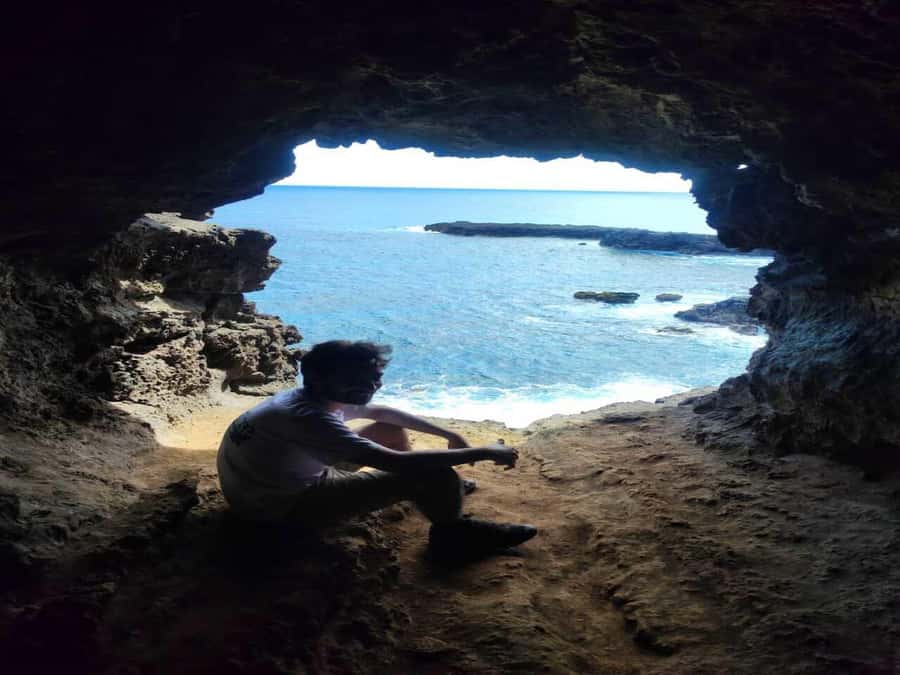
Ana Te Pora brings another kind of cave experience. Light slips into the dark in changing ways, creating strong contrasts between the entrance and the inner rock. You may find yourself watching the way the cave frames the outside world as much as examining the stone itself.
The stop is a good match for anyone who likes geology with a story attached. Your guide explains how volcanic activity shaped the tube, then adds the cultural meaning connected to the site. That combination is more useful than a list of geological facts because it helps you see the cave as part of Rapa Nui life, not just as a natural hole in the ground.
The cave sections are balanced by open walking near the coast. This gives your eyes and legs a break after time underground. The cliff route has been described as peaceful, and that slower stretch may be one of the most enjoyable parts of the outing if you prefer quiet scenery to a packed schedule.
You should not expect a long beach stop or a formal nature walk. The appeal is the contrast: a calm path beside the sea, followed by a dark passage below the volcanic surface. Sunscreen remains important because parts of the route are exposed, even though the caves themselves are shaded.
Ahu Te Peu and the moai connection
Ahu Te Peu changes the focus from geology to ceremony. The site includes the remains of an ancient platform associated with moai, the great stone figures that define so much of Rapa Nui’s identity. Here, you get a chance to think about the skill and labor behind those statues rather than seeing them only as dramatic silhouettes.
Your guide explains the craftsmanship, rituals, and ceremonies tied to the site. That context is valuable because the moai can seem mysterious when viewed without explanation. At Ahu Te Peu, the stones become part of a wider system of belief and community life.
I like this stop because it prevents the outing from becoming a cave-only excursion. If you have already visited major moai sites, Ahu Te Peu still adds a quieter setting and another angle on the island’s ceremonial past. If this is your first cultural stop on Rapa Nui, it gives you useful background for other sites you may visit later.
The remains are not presented as a reconstructed showpiece. You are seeing an old ceremonial place in its present condition. That means the experience depends on listening, looking carefully, and allowing the guide to explain what the stones once meant.
A few more Easter Island half-days to weigh up
- From Hanga Roa: Easter Island Highlights 2-Day Tour
★ 4.3 · 205 reviews - From Hanga Roa: Easter Island Sightseeing Full Day Tour
★ 4.5 · 189 reviews - Full day tour – DREAM
★ 5.0 · 86 reviews - Two days of Full Day Tour of Rapa Nui + Sunrise in Tongariki
★ 4.8 · 55 reviews
Ana Te Pahu, the longest-feeling adventure
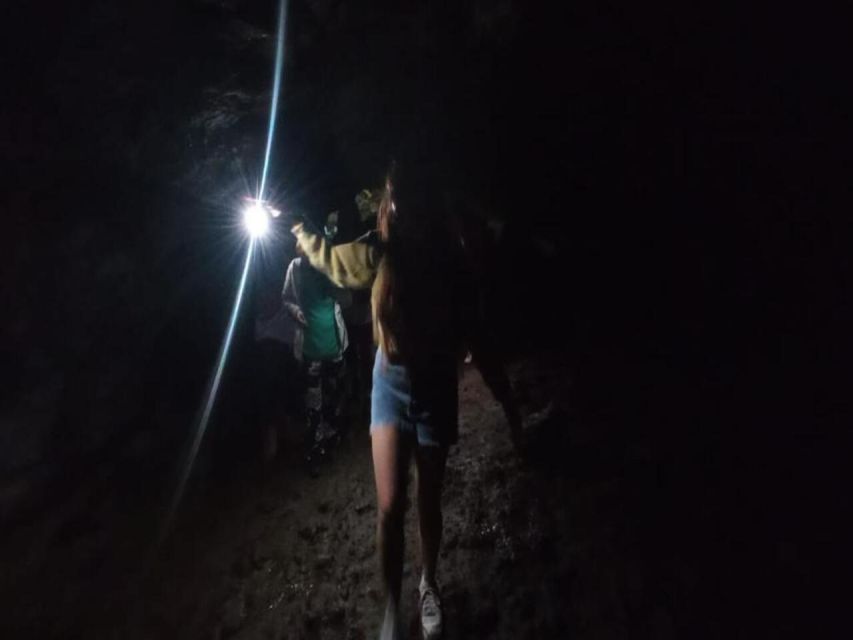
Ana Te Pahu provides the final major cave stop and a strong finish. The cave has its own historical associations, and the guide uses stories of the island’s past to give the underground setting a sense of place. Natural acoustics add another layer. Sounds can carry and change inside the chamber, making the cave feel larger and older than its entrance suggests.
This is also where you should keep the physical demands in mind. Cave entrances vary, and a few may require crawling. Comfortable shoes and flexible clothing are not optional extras for this outing. I would avoid anything that you would worry about scraping against volcanic rock.
The darkness, tight spaces, and uneven surfaces will appeal to you if you enjoy a mild adventure. You do not need a technical climbing background based on the information provided, but you do need to feel at ease moving through natural cave passages. If you want a smooth path and frequent seating, choose a different way to see Rapa Nui.
Ana Te Pahu also gives the guide room to connect place and folklore. The cave is not treated as a hollow space with a quick photo stop. Its sounds, shape, and stories help you picture how people once used and understood these underground places.
Why the coastal walking matters
The open sections are not filler between the caves. They provide some of the clearest views of Rapa Nui’s coast and give the whole tour a better rhythm. After a low, dark cave, the sea and cliffs can feel especially broad and bright.
I would pay attention to the transitions. The peaceful coastal walk is a chance to ask questions, take in the scenery, and listen to stories without concentrating on where to place your feet. It also makes the tour feel more connected to the island as a whole. The caves are important, but they make more sense when you see where they sit in the volcanic terrain.
The route is described as a walk along coastal cliffs, so sensible caution is important. Stay with your guide and follow directions around uneven ground. The supplied rain cape is useful if the weather shifts, while sunscreen remains necessary in exposed areas.
What the $150 price really covers
At $150 per person, this is not the cheapest way to spend a half-day on Rapa Nui. The value comes from the package rather than from a single headline attraction. You receive five hours, a private group, a native guide, transportation, lanterns, pickup, drop-off, and a rain cape.
That setup can make sense if you want a focused outing without arranging several pieces yourself. A guide who speaks English or Spanish can explain the sites as you go, and a private format lets you ask for clarification when the cultural details become complex.
The National Park ticket is not included, so add that cost to your budget. The extra ticket does not cancel the value of the tour, but it means the advertised price is not the final total for the day.
For me, the decision rests on how you like to travel. If you value local explanation, door-to-door transport, and a small private setting, $150 may be fair. If you mainly want to see one cave and take a few pictures, the price may feel high for a half-day. The tour earns its cost through the combination of four sites and the guide’s interpretation.
Who will enjoy this private cave tour
I would recommend it most strongly to you if you like active sightseeing, local stories, and unusual geology. The mix of caves, cliffs, and moai remains suits someone who wants more than the standard statue viewpoint.
It also works well for couples, families with older children, or a private group of friends who want to set their own pace within a planned five-hour route. The English and Spanish options make the cultural explanations accessible to a wider range of visitors.
You should think twice if you dislike enclosed spaces. The small entrances are not a minor footnote, and crawling may be part of the route. The same is true if you want a full-day excursion. This is specifically a half-day experience, leaving you time to plan another activity afterward.
Comfortable clothing, sturdy shoes, and sunscreen are the basic preparation. The operator provides lanterns and a rain cape, but you still need to arrive ready for rough rock, changing light, and outdoor walking.
Booking flexibility and practical details
You can cancel up to 24 hours before the activity for a full refund, which is useful when island weather or flight plans are uncertain. You can also reserve now and pay later, allowing you to hold a place without paying at once.
Starting times depend on availability, so check the schedule before you commit to another morning or afternoon plan. The five-hour length is fixed enough to shape your day, especially if you have a separate moai visit, meal, or transport connection planned.
The private format is one of the strongest practical benefits. You are not joining a large shared group according to the information provided, but the exact number of people in your booking is not specified. If group size matters to you, confirm it when booking.
The overall rating is 4.2 from 23 ratings, which suggests a generally positive experience with some room for individual preference. That fits the tour itself: the setting is memorable, but the tight cave entrances and walking demands will not suit everyone.
Should you book the Rapa Nui cave tour?
Book it if you want to see a quieter, less obvious side of Rapa Nui and you are comfortable crawling through a few narrow cave entrances. The combination of Ana Kakenga, Ana Te Pora, Ahu Te Peu, and Ana Te Pahu gives you a useful blend of volcanic scenery, coastal walking, moai culture, and folklore.
I would especially choose it early in a Rapa Nui stay if you want a guide to explain how the island’s caves and ceremonial sites fit together. Choose it later if you prefer to begin with the major moai sites and save a more adventurous half-day for afterward.
Skip it if you need easy, level access or dislike enclosed spaces. But if you bring sturdy shoes, sunscreen, comfortable clothes, and a willingness to crouch, this private outing offers a thoughtful and atmospheric way to meet the island beyond its most famous statues.
FAQ
How long does the Rapa Nui cave tour last?
The tour lasts five hours and is designed as a half-day experience.
What sites does the tour visit?
The route includes Ana Kakenga, Ana Te Pora, Ahu Te Peu, and Ana Te Pahu.
Is this a private tour?
Yes. The experience is offered for a private group.
What languages are available?
The live guide service is available in English and Spanish.
Is transportation included?
Yes. Transportation, pickup, and drop-off are included.
What equipment is provided?
Lanterns and a rain cape are provided. You should bring comfortable shoes, sunscreen, and comfortable clothes.
Is the National Park ticket included?
No. The National Park ticket is not included in the $150 per person price.
Just added around Easter Island
- Easter Island: 2 Full Days Private Tour★ 3.9 · 3 reviews
- Easter Island: Full Day Ancestral Caves and Orongo Village★ 5.0 · 3 reviews
- Easter Island: Customized recreational-tourist diving★ 5.0 · 3 reviews
- Ancestral fishing: Fishing with an experienced Rapa Nui★ 4.4 · 3 reviews
- Birdman Cult and Caves★ 4.0 · 5 reviews
- Rapa Nui: Polynesian Massage★ 4.8 · 5 reviews
- Easter Island: Moai Full Day Private Tour★ 4.8 · 5 reviews
- Rapa Nui: 3 Excursions with Hotel Transfers★ 4.3 · 6 reviews
Easter Island Tours, compared.

Two days of Full Day Tour of Rapa Nui + Sunrise in Tongariki
Read our review →
Browse the lists this tour appears in