
Reviewed · EASTER ISLAND TOURS
Easter Island: Rapa Nui Stargazing Tour
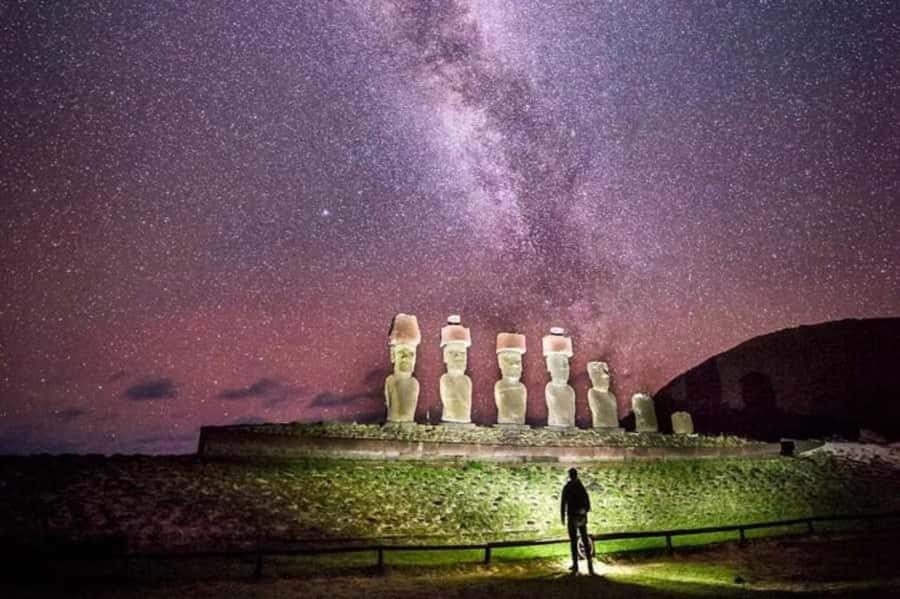
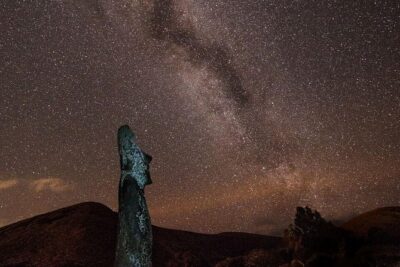
The most memorable part of this Rapa Nui outing is the chance to see the night sky beside moai at Ahu Nau Nau. You learn how Polynesian voyagers used stars and constellations to cross the Pacific, then view southern-hemisphere stars and planets through a telescope at a remote site. I especially like the mix of practical astronomy and living Polynesian tradition, plus the quiet beach access and digital photo included in the evening.
I also like the small group size, capped at 12, and the simple comforts of hot chocolate and local cake. Guide Marc, also called Mark in one account, has added a traditional song to the evening, giving the tour a personal touch. The main consideration is price: at $140 per person, it may feel steep if clouds block the sky or the telescope session is quiet.
Key points to know before you book
- Moai under the stars: You can visit Ahu Nau Nau at night and take photos beside the statues.
- Polynesian navigation: The guide explains how voyagers used stars, constellations, and the southern sky to find their way across the Pacific.
- Remote telescope site: The tour includes time at traditional observatory locations away from Hanga Roa.
- Small evening group: A maximum of 12 people keeps the discussion more personal and limits crowding around the telescope.
- Seasonal meeting times: Meet at Katipare Library at 21:00 in summer or 19:00 in winter.
- Weather and moon matter: The tour needs clear weather and does not operate from four days before to two days after the full moon.
Why stargazing makes sense on Rapa Nui
Rapa Nui is famous for its moai, but the island’s story also reaches upward. Polynesian settlement depended on reading the ocean and sky, and this experience uses astronomy to explain that skill in practical terms.
You are not simply driven to a dark place and shown a few bright points. The guide covers basic astronomy, Polynesian voyaging, settlement, navigation, and the island’s archeo-astronomy. That gives the telescope session a useful frame. You learn why the sky mattered before you look through the eyepiece.
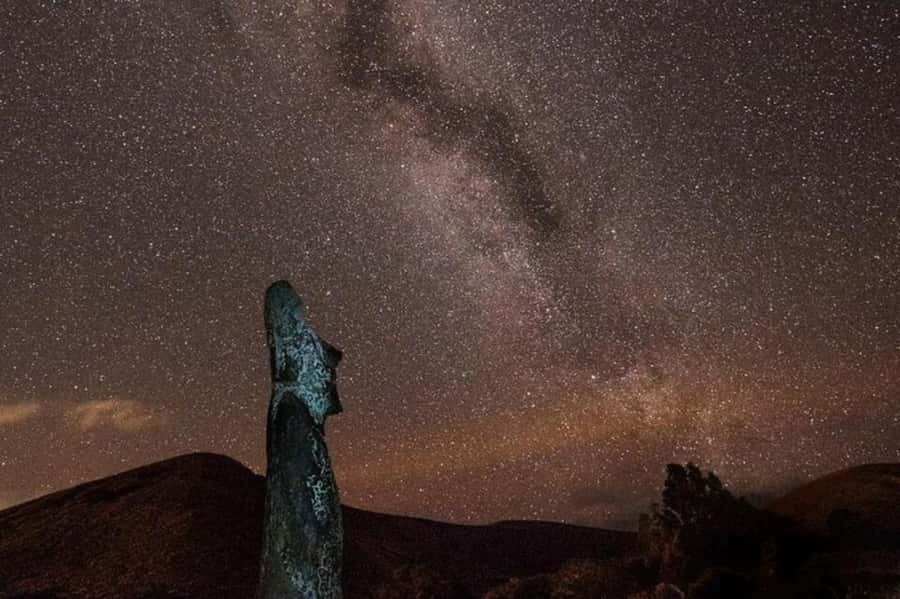
The southern hemisphere adds another reason to book. From Rapa Nui, you can see stars and constellations that are not visible from much of Europe or North America. The exact objects depend on the season and the weather, but the point is clear: this is not a standard backyard astronomy talk moved to an island.
I like that the tour connects science with place. A constellation viewed from a remote island is one thing. Understanding that the same sky helped guide Polynesian voyagers across enormous stretches of ocean gives it more weight.
More Stargazing Tours in Easter Island:
- Rapa Nui Stargazing
★ 4.5 · 62 reviews - San Pedro de Atacama: Etno-Stargazing Tour with Transfer
★ 4.8 · 629 reviews - San Pedro de Atacama: Stargazing Experience
★ 4.7 · 489 reviews
Meeting at Katipare Library in Hanga Roa
The outing begins in front of Centro Lector Katipare, also known as Katipare Library, in Hanga Roa. The meeting time changes with the season: 21:00 in summer and 19:00 in winter.
This is important when planning dinner, transport, and your evening clothes. You do not receive hotel pickup, so you need to reach the library on your own. Hotel drop-off is included afterward, which is useful at the end of a late night.
The timing also affects the feel of the experience. The later summer start means the island needs more time to darken. In winter, the earlier departure gives you a longer night under the sky.
Arrive ready for outdoor conditions. The tour takes you to remote observation sites, and the ground may be uneven. One older participant found the dark, uneven terrain difficult to handle safely, so sturdy shoes and a small personal light are sensible choices. The activity is not suitable for wheelchair users.
From basic astronomy to Polynesian wayfinding
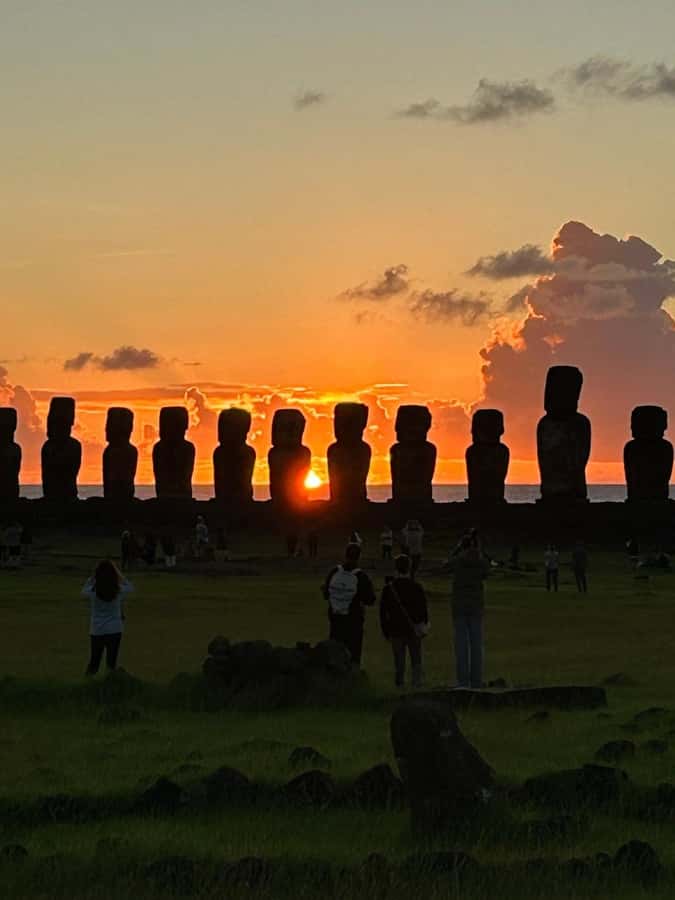
The first part of the evening focuses on explanation. Your guide introduces basic astronomy, then shows how the night sky was useful to Polynesian voyagers.
The most valuable part is the shift from modern stargazing to traditional navigation. Polynesian seafarers did not use a telescope or a printed star chart. They observed stars, rising and setting points, ocean conditions, and other natural signs. This tour concentrates on the sky and explains the role it played in finding direction and supporting settlement across the Pacific.
You can expect live commentary during the drive as well as at the observation areas. English and Spanish guiding are available. Since the group is limited to 12 people, you should have a better chance of hearing the explanations and asking questions than on a large coach outing.
The guide’s style can shape the night. Marc, or Mark, has been singled out for making the experience personal, including singing a song he wrote and finishing with a traditional song. That is not a guaranteed part of every departure, but it shows the kind of human touch that can make a short astronomy tour feel connected to Rapa Nui rather than like a generic telescope presentation.
Traditional observation sites and the remote setting
The group heads to traditional observatory sites away from the main settlement. The exact sequence can depend on conditions, but the purpose is to get away from the stronger lights of Hanga Roa and create a better setting for sky watching.
That remote setting matters more than fancy equipment. Darkness gives your eyes time to adjust, and fewer nearby lights make it easier to notice faint stars. You should still keep expectations sensible. Island weather can change, and some nights offer more to see than others.
The experience lasts three hours, which gives enough time for transport, explanation, telescope viewing, and the photo stop without turning into an all-night event. You will not be expected to know astronomy before you arrive. The focus is on clear principles and memorable connections, not technical jargon.
There is a practical drawback here. If the sky is cloudy, the central attraction is limited. The operator cancels in poor weather and offers another date or a full refund, but a clear forecast is still worth checking before you commit your evening.
More moai and Rapa Nui sites:
- From Hanga Roa: Rapa Nui Culture Sightseeing Tour
★ 4.6 · 307 reviews - From Hanga Roa: Journey from Orongo to Ana Te Pahu
★ 4.3 · 75 reviews - Two days of Full Day Tour of Rapa Nui + Sunrise in Tongariki
★ 4.8 · 55 reviews - Half Day Tour in Rapa Nui
★ 5.0 · 48 reviews
Telescope viewing in the southern hemisphere
At the remote site, you view stars and planets through a telescope. This is the most hands-on portion of the tour, and it gives the evening a clear activity beyond listening to a talk.
The telescope will not turn the experience into a professional observatory visit. Its value is that you are looking at the sky from Rapa Nui, after learning how the island’s first settlers used it. The equipment becomes a tool for understanding the place, not the whole point of the outing.
One departure had a quieter night with fewer obvious objects to see. That is a fair warning. Astronomy depends on weather, moonlight, and what is visible at that time of year. The tour does not run from four days before until two days after the full moon, which helps preserve darker conditions, but it cannot guarantee a spectacular display every night.
You can also take your own photos. A phone on a tripod is allowed, according to the activity details. That can be useful if you want a personal record, though night photography takes patience and results will vary. A digital photo is included, giving you a better chance of taking home a polished image even if your phone struggles in the dark.
Ahu Nau Nau after dark
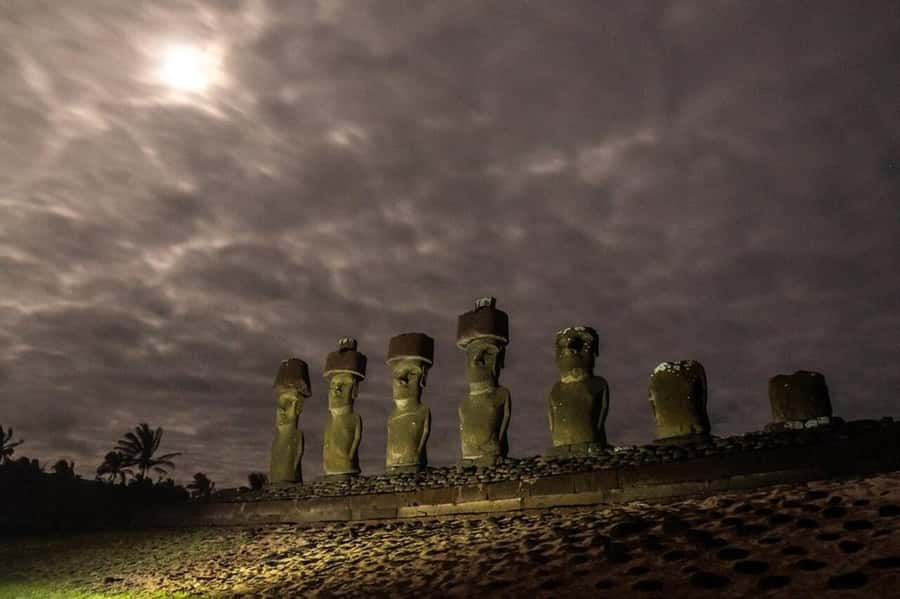
Access to Ahu Nau Nau is one of the strongest reasons to choose this experience. The site is known for its moai, and seeing the statues at night creates a very different mood from a daytime archaeological visit.
The evening includes a photo opportunity in front of the moai. One account described private access to the beach at night, allowing time to view the stars and take pictures beside the statues. The exact degree of privacy can depend on the departure, but the night setting is central to the experience.
You should bring respect and patience to this part of the tour. The moai are not just a backdrop for a selfie. The guide’s explanation of archeo-astronomy helps place the site within a wider Rapa Nui story, linking the built environment to the sky.
You also need your National Park ticket. It is not included in the $140 price, so confirm that you have the required ticket before departure. This is an easy cost and planning detail to miss when comparing tours.
Hot chocolate, local cake, and a personal finish
A hot drink and local cake are included during the evening. These are small details, but they matter when you are outside at night, waiting for your eyes to adjust or taking turns at the telescope.
The refreshment break also keeps the pace comfortable. Three hours of standing in darkness could feel long without a pause. Hot chocolate gives the group a chance to warm up and talk, while the cake adds a local food note without pretending that this is a full dinner.
The strongest personal detail is the music. Marc has been praised for singing, including a song he wrote and a traditional song near the end of the evening. You should not book solely for a performance, since it may not happen on every departure, but it can make the night feel less scripted.
Hotel drop-off is included after the tour. Since the meeting is central but pickup is not, this arrangement is especially helpful for the return journey.
Is $140 a fair price?
At $140 per person, this is not a budget activity. The price covers about three hours, a driver and guide, live commentary, transport during the tour, telescope access, nighttime access to Ahu Nau Nau, hot chocolate, local cake, a digital photo, and hotel drop-off.
The value depends on what you want from your Rapa Nui visit. If you only want to look through a telescope, the cost may seem high. You could have a quiet night with limited visible objects, and one account felt there was not enough happening to justify the price.
I think the price makes more sense if you value the full combination: Polynesian navigation, archeo-astronomy, a remote site, moai at night, a small group, and a guide who may add music and stories. Those pieces are difficult to reproduce on your own.
The weather policy also matters. If poor weather cancels the tour, you can choose a different date or receive a full refund. The same applies if the minimum group size is not reached. You can cancel up to 24 hours ahead for a full refund, giving you some flexibility if your island plans change.
Who will enjoy this evening most?
I would choose this for anyone who wants more than a standard archaeological tour. It suits people who enjoy astronomy, Pacific history, photography, and quieter evening activities.
It is also a good match for visitors who have already seen major daytime sites and want to experience them in a different way. Ahu Nau Nau under the night sky offers a fresh setting, while the navigation talk adds cultural context.
Families with older children may find the combination of telescope viewing and stories appealing, though the uneven ground and late start deserve attention. Older adults should consider mobility carefully, especially because lighting is limited at the observation sites.
This is less suitable if you need guaranteed celestial sights, dislike standing outdoors at night, or want an active itinerary with many stops. The tour has a focused rhythm: explanation, travel, telescope viewing, photos, and refreshments. Its pleasure comes from atmosphere and ideas, not from a long list of attractions.
Practical ways to prepare
Wear shoes that handle uneven ground and bring a warm layer. The supplied information does not specify the exact conditions at each site, so it is sensible to prepare for a cool night rather than rely on Hanga Roa’s daytime temperature.
Arrive at Katipare Library before the stated start time. Remember that the meeting time is 21:00 in summer and 19:00 in winter, and hotel pickup is not included.
Check the moon phase before booking. The activity does not operate four days before or two days after the full moon, when bright moonlight would reduce the darker-sky effect.
Have your National Park ticket ready. Bring your phone if you want to take your own photos, and use a tripod if you plan to attempt night shots. The tour allows personal photography, but the included digital photo gives you a dependable keepsake.
Finally, keep your expectations tied to nature. A clear night can give you stars, planets, moai, music, and a memorable sense of place. A cloudy or quiet night may offer more conversation and less telescope action.
Should you book the Rapa Nui Stargazing Tour?
I would book it if the idea of Polynesian navigation beside ancient moai appeals to you. The strongest feature is not any single star or telescope view. It is the way the guide links the sky, ocean travel, settlement, archaeology, and Rapa Nui’s sacred places.
I would hesitate only if $140 feels high for a weather-dependent activity or if you want a packed evening program. The tour can be quiet, and the telescope cannot guarantee a long list of dramatic objects.
For the best chance of enjoying it, choose a date with a favorable forecast, confirm your National Park ticket, meet at Katipare Library on time, and bring shoes and clothing suited to uneven outdoor ground. If those conditions work for you, this is one of the more distinctive ways to experience Easter Island after sunset.
FAQ
Where does the Rapa Nui Stargazing Tour meet?
You meet in front of Katipare Library, also called Centro Lector Katipare, in Hanga Roa, Easter Island.
What time does the tour start?
The meeting time changes by season. It is 21:00 in summer and 19:00 in winter.
How long does the experience last?
The tour lasts three hours.
Is hotel pickup included?
No. You must reach Katipare Library on your own. Hotel drop-off is included after the activity.
What languages are available?
The live guide is available in English and Spanish.
Do I need a National Park ticket?
Yes. Your National Park admission ticket is not included and is required for the experience.
Is the tour available during the full moon?
No. It does not operate from four days before to two days after the full moon.
What happens if the weather is poor?
The activity requires good weather. If it is canceled because of poor weather, you can choose another date or receive a full refund.
Can I take my own photos?
Yes. You can take your own photos, including phone photos with a tripod. A digital photo is also included.
Just added around Easter Island
- Easter Island: 2 Full Days Private Tour★ 3.9 · 3 reviews
- Easter Island: Full Day Ancestral Caves and Orongo Village★ 5.0 · 3 reviews
- Easter Island: Customized recreational-tourist diving★ 5.0 · 3 reviews
- Ancestral fishing: Fishing with an experienced Rapa Nui★ 4.4 · 3 reviews
- Birdman Cult and Caves★ 4.0 · 5 reviews
- Rapa Nui: Polynesian Massage★ 4.8 · 5 reviews
- Easter Island: Moai Full Day Private Tour★ 4.8 · 5 reviews
- Rapa Nui: 3 Excursions with Hotel Transfers★ 4.3 · 6 reviews
Easter Island Tours, compared.
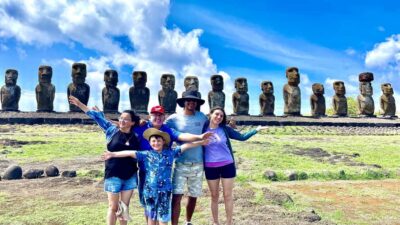
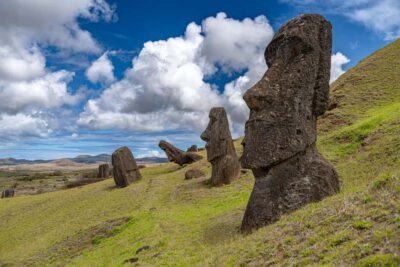

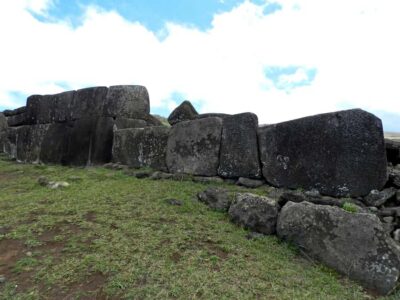
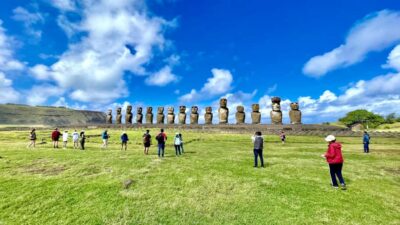
Two days of Full Day Tour of Rapa Nui + Sunrise in Tongariki
Read our review →
Browse the lists this tour appears in