
Reviewed · EASTER ISLAND TOURS
Adventures in Rapa Nui: High-quality tourism with Easter Island Your Tour.
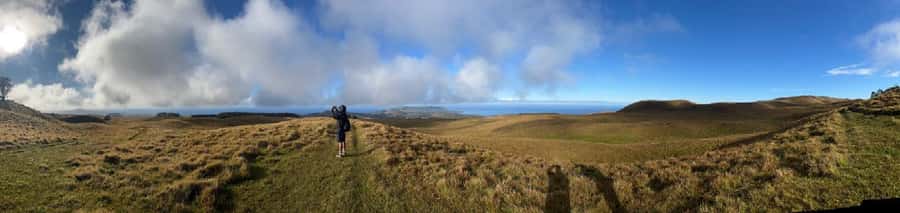
Rapa Nui is best understood on the road, site by site, with someone who can connect the moai, the island, and living Rapa Nui culture. This private six-and-a-half-hour tour does exactly that, using a comfortable vehicle and a native guide such as Eric, who is praised for clear English, friendly conversation, and adjusting the day to your interests.
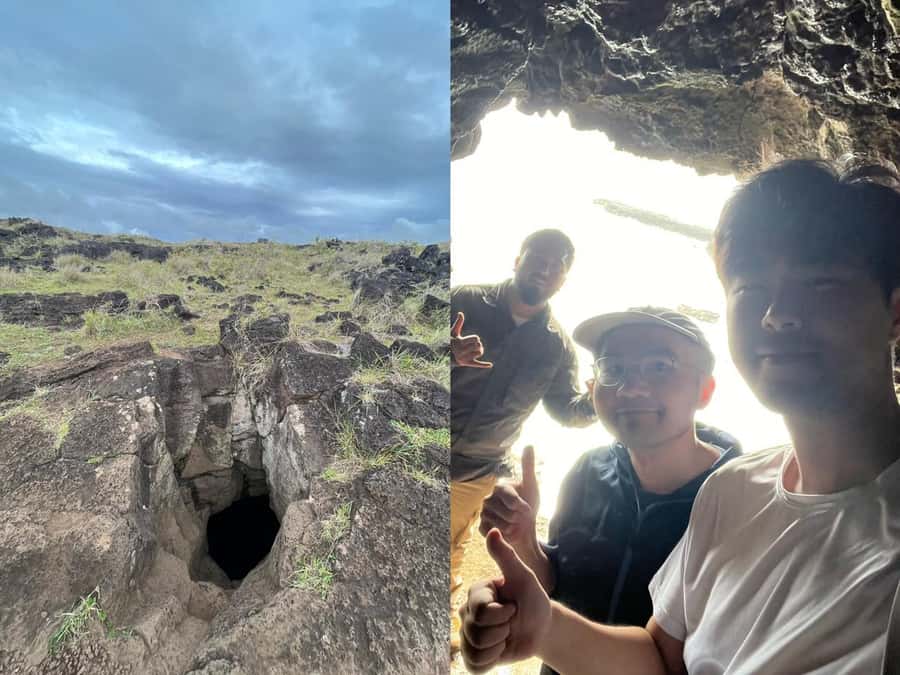
I especially like the private format, since you can ask questions without holding up a large group. I also like the flexibility: Eric has adapted a route for someone who had already seen the main sites and spent more time around west-coast caves instead.
The main catch is cost. At $200 per person, plus the separate Rapa Nui National Park ticket, this is not the cheapest way to see the island. You are paying for personal attention, a private vehicle, a certified guide, and the ability to shape the day, so the value depends on how much those things matter to you.
Key points to know before booking
- A private route with a native guide: You get direct access to a guide who knows Rapa Nui culture and can explain the sites in English or Spanish.
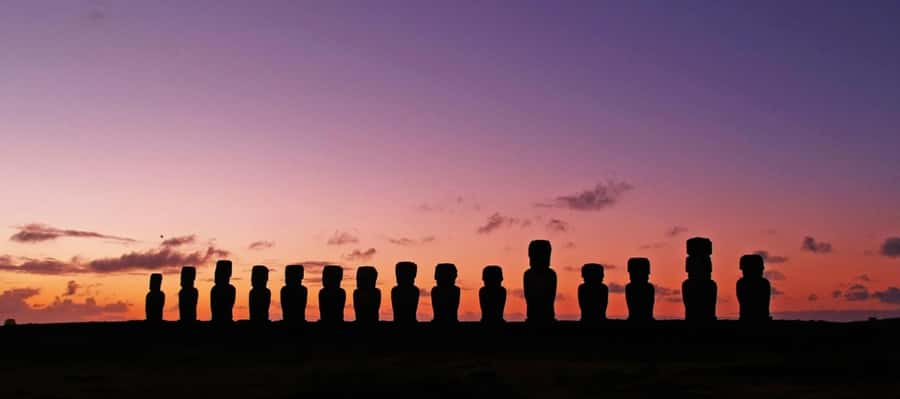
- Six major stops in 390 minutes: The day includes Akahanga, Rano Raraku, Tongariki, Te Pito Kura, and Anakena, along with Rapa Nui National Park.
- Hotel pickup and air conditioning: You begin and end where you are staying, with transport designed for a full day across the island.
- Flexible pacing: The guide can adjust the day to your interests, as Eric did for a visitor who had already seen many of the standard sites.
- Park admission costs extra: Budget approximately 20,000 to 80,000 CLP for the ticket, with the final price subject to change.
- Strong service record: The experience holds a 4.9 rating from 28 ratings, with repeated praise for punctual pickup, clear explanations, English ability, and personal care.
Why a private Rapa Nui tour can be worth the price
Easter Island is not a place where a quick checklist tells the whole story. The famous stone figures are only part of what you are seeing. The setting, the ceremonial sites, the volcanic terrain, and the continuing culture all matter, and a good guide helps you notice how they fit together.
This experience is built around that guide relationship. You are not simply being delivered to viewpoints and told to take photographs. A certified guide accompanies you, explains the history and culture of Rapa Nui, and answers questions along the way. The guides are native to the island, which gives the day a stronger local connection than a standard sightseeing transfer.
Eric is the guide named most often in the available feedback. His strengths are practical as well as academic. He speaks very good English, keeps the explanations interesting, and changes the plan when a visitor has different interests. That flexibility is a real benefit on an island where you may have already visited one or two sites on your own.
The private group setup also changes the rhythm. You can spend longer on a place that catches your attention, ask for clarification, or move along when you have had enough. The tour still has a fixed list of major stops, but it does not have to feel like a parade from one bus to the next.
At $200 per person, the price makes most sense for couples, families, or small groups who want a dedicated guide. If you are traveling alone or watching every peso, a larger shared tour may be more economical. If you want personal attention and a day shaped around your pace, the extra cost is easier to justify.
More moai and Rapa Nui sites:
- From Hanga Roa: Rapa Nui Culture Sightseeing Tour
★ 4.6 · 307 reviews - From Hanga Roa: Journey from Orongo to Ana Te Pahu
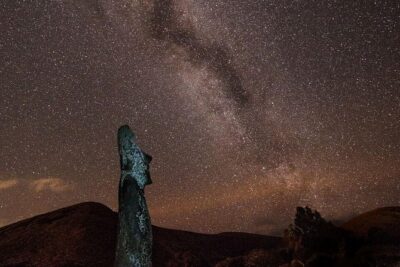
★ 4.3 · 75 reviews - Rapa Nui Stargazing
★ 4.5 · 62 reviews
Starting with pickup and the 45-minute drive
The tour begins at your hotel or other accommodation on Easter Island. Pickup is one of the small details that matters: you do not have to find a distant meeting point or arrange a separate taxi before breakfast. One detailed account praises the pickup for being punctual, which is especially useful on a day with several planned stops.
The initial drive is listed as about 45 minutes. This gives your guide time to outline the route, explain what to expect, and get a sense of what interests you. It also gives you a chance to settle into the vehicle before the walking portions begin.
Transport is described as comfortable and safe, with air conditioning and a sound system. That is useful on a long day in open country, especially if the weather turns hot or windy. A professional driver handles the route, while the guide can focus on the sites and your questions.
The van is not the attraction, but it is an important part of the day. You will move between several widely separated locations, so a reliable vehicle helps the itinerary feel manageable rather than tiring. The service also includes first-aid and emergency equipment knowledge, plus English and Spanish assistance.
Rapa Nui National Park: begin with context
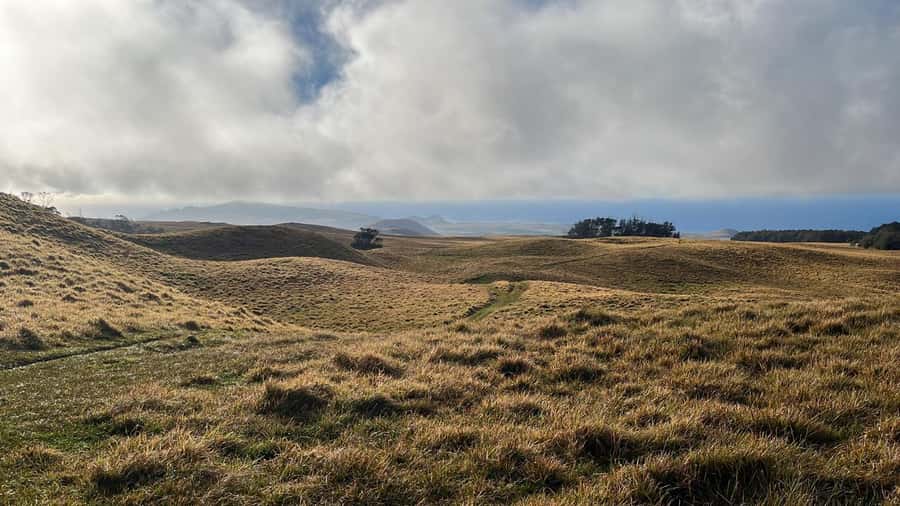
The first main part of the day takes place in Rapa Nui National Park. The exact order of the explanation will depend on your guide, but this is where the tour begins to place the island’s major sites into a wider cultural setting.
You need a park ticket, and it is not included in the $200 price. Tickets can be purchased through the Mau Henua office or online, with an approximate cost of 20,000 to 80,000 CLP. Since the price may change, check the current amount before you go and treat this as a separate part of your budget.
The park is not just a collection of scenic stops. Your guide’s role is to explain why each ceremonial platform and quarry matters, how the sites relate to Rapa Nui culture, and what you should look for. This is where the native guide makes the biggest difference. You can ask about the moai, local traditions, and the meaning of the places instead of relying on a short sign.
Wear shoes that can handle uneven ground. Comfortable shoes are required advice, and hiking shoes are recommended. Long pants, clothing that can get dirty, a hat, sunscreen, and water will make the walking sections easier.
Ahu Akahanga and the first ceremonial site
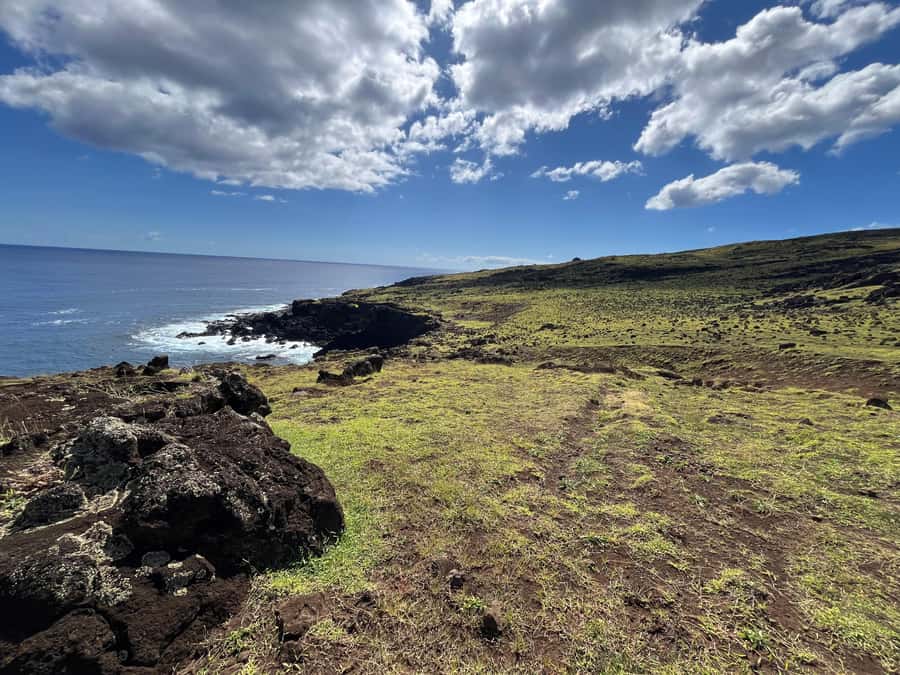
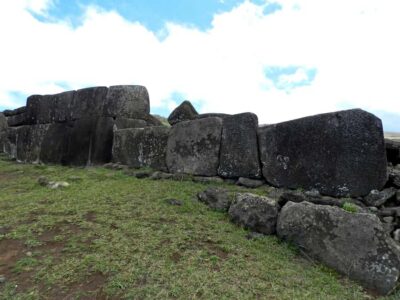
Ahu Akahanga is one of the first named stops. An ahu is a ceremonial platform, and the guide will provide the cultural and historical explanation needed to understand what you are seeing. The value here is not simply another photograph of stonework. It is the chance to hear the story of the site in place, with the guide able to respond to your questions.
The ground around archaeological sites can be rough, and the weather can change quickly. Bring a windbreaker even on a warm morning. Rapa Nui’s exposed sites can feel very different from the shelter of the vehicle.
This stop also sets the tone for the rest of the day. You are moving through places connected to the island’s most recognizable monuments, but the experience depends on taking time to look closely and listen. A private tour gives you room to do that.
A few more Easter Island half-days to weigh up
- From Hanga Roa: Easter Island Highlights 2-Day Tour
★ 4.3 · 205 reviews - From Hanga Roa: Easter Island Sightseeing Full Day Tour
★ 4.5 · 189 reviews - Full day tour – DREAM
★ 5.0 · 86 reviews - Two days of Full Day Tour of Rapa Nui + Sunrise in Tongariki
★ 4.8 · 55 reviews
Rano Raraku, where the moai story becomes clearer
Rano Raraku is one of the essential stops on the route. It is closely associated with the moai, and this is a place where your guide’s explanation can turn a striking view into a more understandable one. The guide will discuss the site’s place in Rapa Nui history and culture, then answer questions about the figures and the work connected to them.
Plan for walking here. The recommended packing list includes hiking shoes, water, sunscreen, and clothes that can get dirty. You should not treat this as a quick roadside photo stop. Give yourself time to absorb the scale and setting, and let the guide set the pace.
The private format is useful at Rano Raraku because different people need different amounts of time. You may want a careful explanation of the moai, while someone else in your group may prefer to focus on the views and photography. A guide who can adjust the rhythm makes the visit less rushed.
Ahu Tongariki and the grandest sense of scale
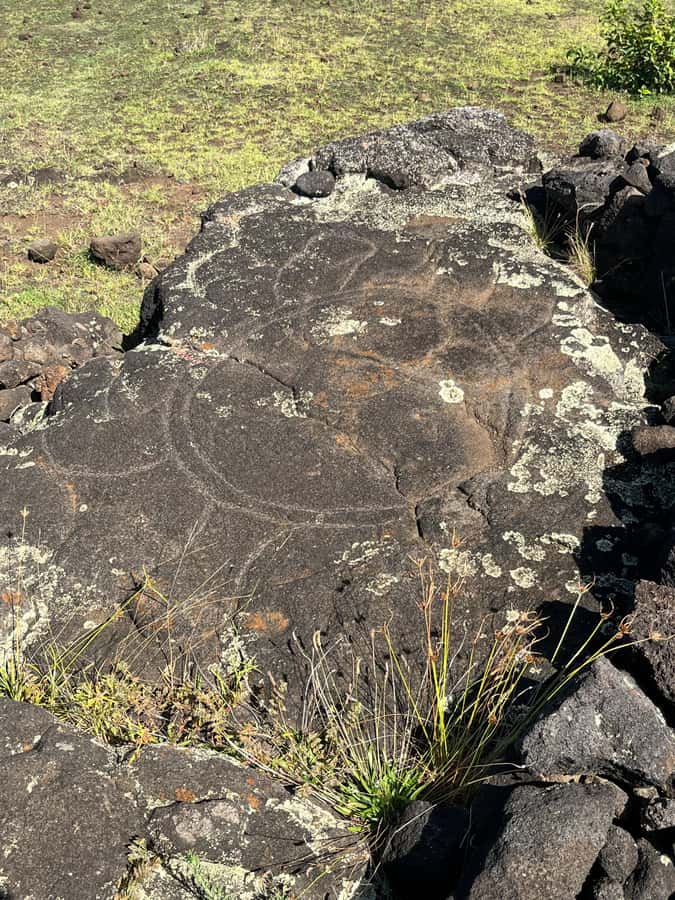
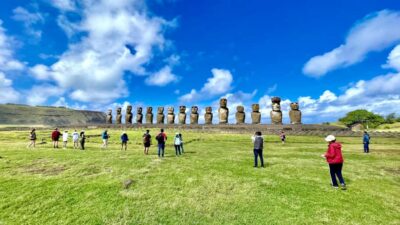
Ahu Tongariki is another major ceremonial site on the route. It is one of the places where the size and order of the stone figures make an immediate impression, even before the guide begins explaining the details.
Here, I would pay close attention to how the guide connects the monument to the wider island. The best part of a stop such as this is not only seeing the moai lined up against the open scenery. It is understanding why the platform was important and how it fits into the culture of Rapa Nui.
Bring a hat and sunscreen, since much of the tour takes place outdoors. Water is essential. The vehicle has air conditioning, but the sites themselves are exposed, and you should plan for sun and wind rather than assuming the day will feel mild.
Ahu Te Pito Kura and a quieter pause
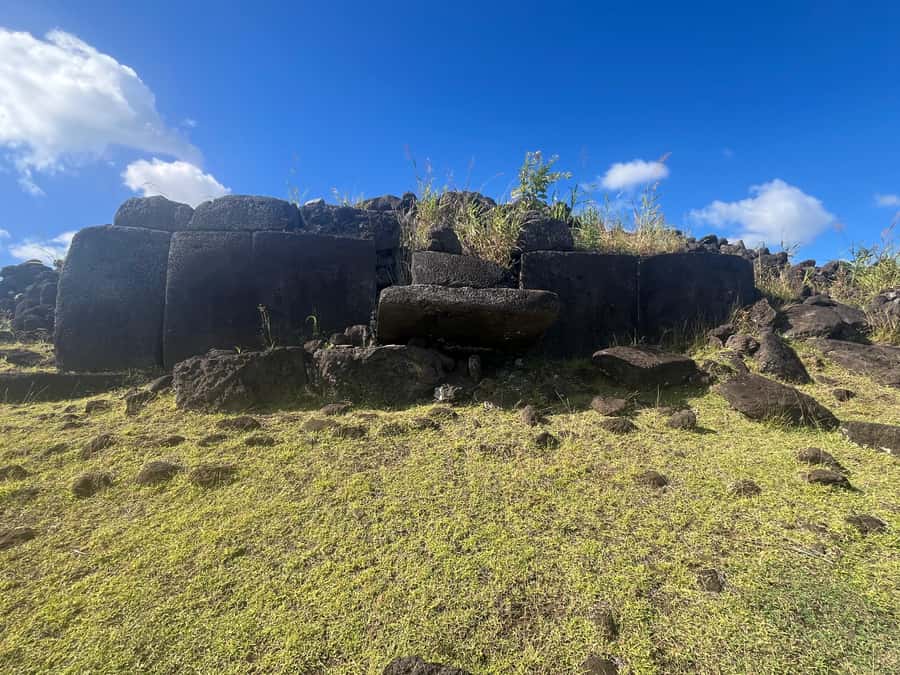
Ahu Te Pito Kura provides another chance to see a ceremonial site away from the more familiar name of Tongariki. The guide will explain the location, its place in the island’s story, and the features worth noticing.
This stop may appeal most to you if you enjoy context and comparison. After visiting several ahu, you can begin to see how each place has its own setting and character. Ask the guide to compare the sites. The private arrangement makes that sort of conversation easy.
The tour includes many major locations in a single day, so the pace can feel full. If you prefer long, slow visits at every stop, tell the guide early. If you want to cover the main sites in one outing, this route gives you a practical overview.
Anakena, the day’s change of mood
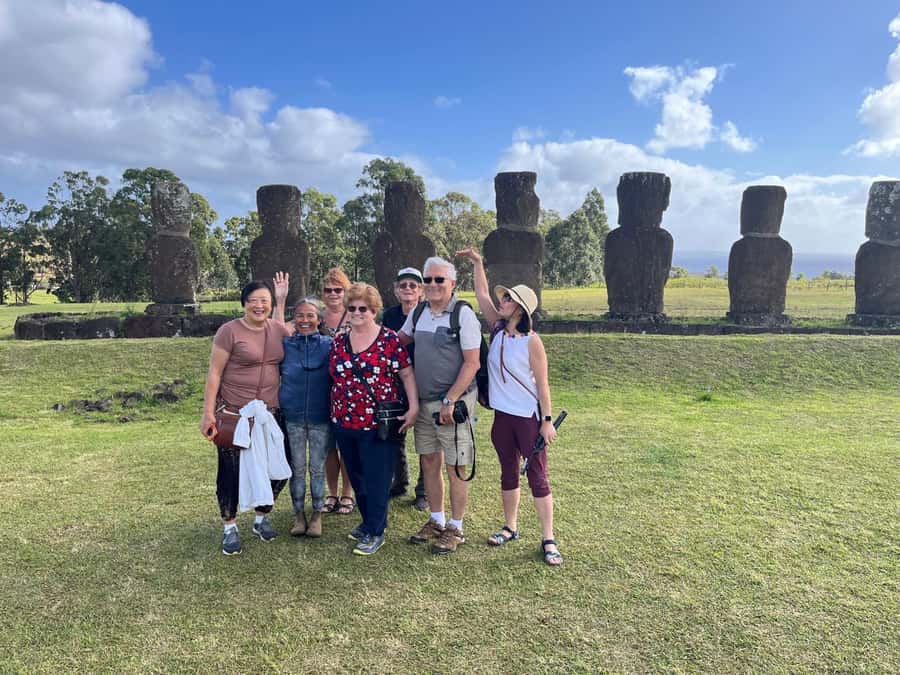
Anakena is the final named stop before returning to Easter Island. It gives the itinerary a change of pace after the archaeological sites and open volcanic settings. The guide will lead you through the location and explain its cultural importance.
Water activities are part of the provider’s broader safety information, including lifeguards, but this specific six-and-a-half-hour route does not promise a swim or other water activity. Pack accordingly, and do not assume beach time is built into the schedule unless you confirm it when booking.
Anakena is a good place to ask any final questions about the island. By this point, you will have seen several major sites, and the guide can help connect them. If the day has been adjusted to suit your interests, this stop may also be shortened or handled at a different pace.
What the guide adds to the day
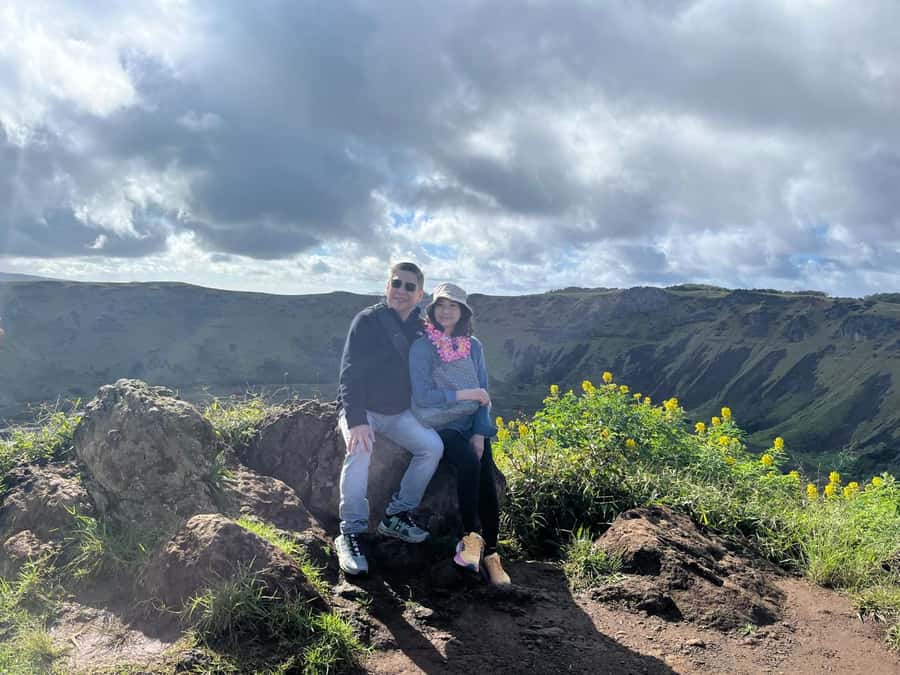
The most praised part of this experience is the guide service. The repeated strengths are clear English, strong knowledge of Rapa Nui, friendly conversation, punctuality, and a willingness to answer questions.
That does not mean every moment will feel like a formal lecture. The best use of the guide is conversational. Ask about the sites you are seeing, request comparisons, and explain what you have already visited. Eric has shown that he can reshape the day for someone who had already covered most of the standard route, including adding west-coast caves.
You can also book in English or Spanish. The live guide service is available in both languages, which removes a major source of stress when discussing timing, walking conditions, or personal interests.
The attention is especially useful for families and private groups. You can ask for a slower explanation, take a break, or move ahead without waiting for a large crowd. Wheelchair accessibility is listed, but the archaeological terrain at individual sites can vary, so ask about the specific route and walking surfaces before booking.
What to bring for a full outdoor day
The packing advice is sensible and should be taken seriously. Bring:
- Passport or ID card
- Water
- Comfortable shoes and hiking shoes
- Hat
- Sunscreen, preferably biodegradable
- Biodegradable insect repellent
- Comfortable clothes
- Long pants
- A windbreaker
- Clothes that can get dirty
- Personal medication
A windbreaker is particularly useful because conditions can change across the island. Good shoes matter more than stylish shoes. The route includes several guided outdoor stops, and uneven ground is possible.
The operator asks you not to bring alcohol or drugs, and alcoholic drinks are not allowed in the vehicle. Littering is also prohibited. These rules fit the setting: you are visiting protected cultural places, so carry your rubbish and follow the guide’s instructions.
Cancellation, timing, and group details
The tour lasts 390 minutes, or about six and a half hours. Starting times depend on availability, so check the schedule when you choose your date.
You can cancel up to 24 hours in advance for a full refund. The reserve-now, pay-later option also keeps your plans flexible, since you can book without paying today.
This is a private group experience, not a shared bus outing. Hotel pickup and drop-off are included in the basic arrangement, and English or Spanish service is available. The price does not include the park ticket, accommodation, meals, or any personal purchases.
The provider can also help plan custom itineraries and arrange accommodation or meals at selected establishments. Those services are useful if you want more help building an Easter Island stay, but confirm exactly what is included in any extra arrangement before committing.
Who should book this Rapa Nui experience?
I would choose this tour if you want a personal guide, prefer asking lots of questions, or have limited time on Easter Island. It is also a good fit if you are traveling with family or friends and want the day to belong to your group rather than a large scheduled crowd.
You should also consider it if you have already seen some of the famous locations. The route can be adjusted, and Eric has used that flexibility to replace familiar stops with west-coast caves.
I would think twice if your only goal is the lowest possible price. The $200 fee per person is significant, and the park admission comes on top. You are buying service and flexibility, not just transport.
FAQ
How long does the Rapa Nui tour last?
The tour lasts 390 minutes, which is approximately six and a half hours.
Where does pickup take place?
Pickup is available at your hotel or wherever you are staying on Easter Island.
Is the Rapa Nui National Park ticket included?
No. The park entrance ticket must be purchased separately at the Mau Henua office or online. The approximate cost is 20,000 to 80,000 CLP, and the price may change.
Is the tour private?
Yes. The experience is operated for a private group.
Which languages are available?
Live guiding is available in English and Spanish.
What happens if I need to cancel?
You can cancel up to 24 hours before the tour for a full refund. A reserve-now, pay-later option is also available.
Should you book Easter Island Your Tour?
Book it if you value a native guide, hotel pickup, private transport, and a route that can respond to your interests. The strongest reason to choose it is the personal service, especially if Eric is available and you want clear English explanations with plenty of time for questions.
The day covers the essential ceremonial sites, but it is full and outdoors, so bring proper shoes, water, sun protection, and a windbreaker. Add the separate park ticket to your budget.
For a first visit with limited time, this is a practical and personal way to see Rapa Nui. For a tight budget, compare shared options. For deeper cultural context and a flexible private day, the extra cost can be money well spent.
Just added around Easter Island
- Easter Island: 2 Full Days Private Tour★ 3.9 · 3 reviews
- Easter Island: Full Day Ancestral Caves and Orongo Village★ 5.0 · 3 reviews
- Easter Island: Customized recreational-tourist diving★ 5.0 · 3 reviews
- Ancestral fishing: Fishing with an experienced Rapa Nui★ 4.4 · 3 reviews
- Birdman Cult and Caves★ 4.0 · 5 reviews
- Rapa Nui: Polynesian Massage★ 4.8 · 5 reviews
- Easter Island: Moai Full Day Private Tour★ 4.8 · 5 reviews
- Rapa Nui: 3 Excursions with Hotel Transfers★ 4.3 · 6 reviews
Easter Island Tours, compared.
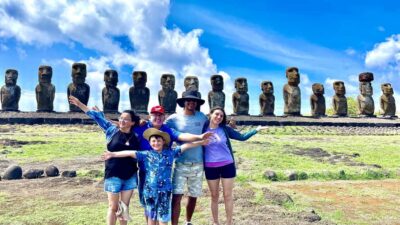
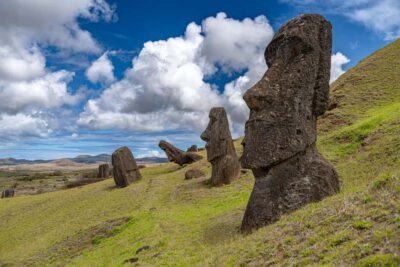

Two days of Full Day Tour of Rapa Nui + Sunrise in Tongariki
Read our review →
Browse the lists this tour appears in