
Reviewed · EASTER ISLAND TOURS
From Hanga Roa: Easter Island Sightseeing Full Day Tour
Easter Island’s moai are more than giant stone faces for your camera. At Rano Raraku, you see where many were carved, while at Tongariki you meet fifteen of them lined up beside the Pacific. I like that this tour connects the statues to the work, beliefs, and village life behind them.
I also like the small group of up to 14 people and the range of guides assigned to the tour, including Hiva, Ata, Enzo, Fernanda, Franc, and Pocho. They are praised for clear explanations and a calm pace. The main drawback is that lunch is not included, the national park ticket costs extra, and pickup times can vary.
Key points to know before booking
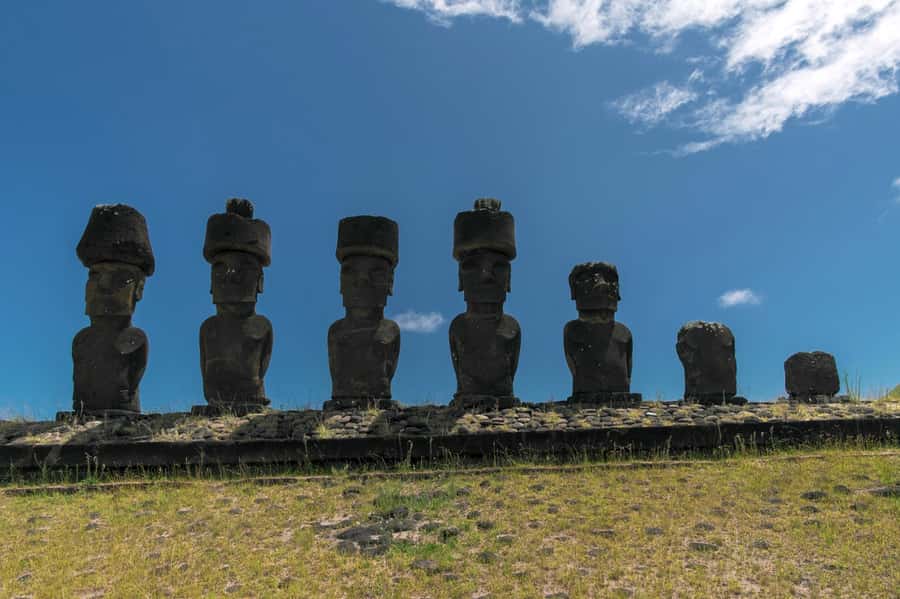
- Five major archaeological sites: Visit Vaihu, Akahanga, Rano Raraku, Tongariki, and Te Pito Kura in one full day.
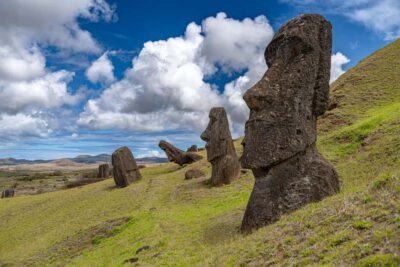
- Rano Raraku is the star stop: See unfinished moai still attached to the volcanic rock where they were carved.
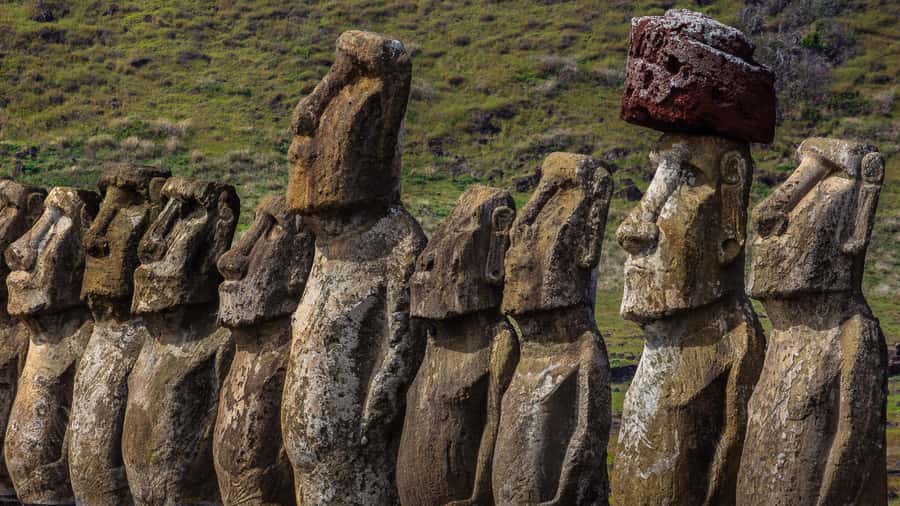
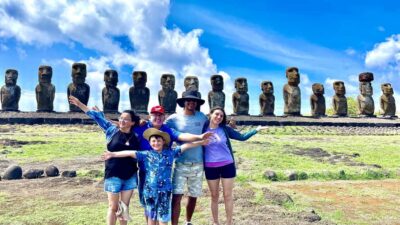
- Tongariki delivers the classic view: Fifteen moai face inland with the Pacific behind them.
- Small-group transport: Groups are limited to 14, though the vehicle can feel crowded if you are picked up late.
- Strong guide quality: Guides such as Hiva, Ata, Enzo, Fernanda, and Pocho have earned praise for clear English, Spanish explanations, and thoughtful pacing.
- Bring supplies: The $70 price excludes the national park ticket and lunch, and there may be few places to buy food or use a bathroom.
Why this one-day route works on Rapa Nui
This eight-hour outing is built for you if you have limited time on Easter Island and want the main ceremonial and carving sites handled in one organized day. At $70 per person, it is not necessarily the cheapest way to hire a local guide, but it offers transport, hotel pickup and drop-off, and a guide in English or Spanish.
I see the value in the route itself. You are not simply stopping at one famous statue, taking a picture, and moving on. You visit sites that show different parts of Rapa Nui life: village remains, fallen moai, carving methods, ceremonial rows, and sacred stones.
The tour is run by Hotumatur Rapa Nui. The rating is 4.5 from 189 reviews, with repeated praise for punctuality, guide quality, and the amount covered in one day. It is worth remembering that a full day on Rapa Nui still involves driving between sites, so your experience depends partly on the guide’s timing and how quickly the group returns to the vehicle.
Pickup is included from your accommodation in Hanga Roa. Be outside and ready during the pickup window. One passenger reported waiting longer than expected, while another noted that people who were not outside were missed. That is a simple problem to avoid.
A few more Easter Island half-days to weigh up
- Full day tour – DREAM
★ 5.0 · 86 reviews - Two days of Full Day Tour of Rapa Nui + Sunrise in Tongariki
★ 4.8 · 55 reviews - Easter Island: Full-Day Tour to Anakena
★ 4.7 · 27 reviews
Vaihu: fallen moai and a first look at the island’s past
Vaihu is a useful opening stop because it introduces you to the moai in a less polished setting. Here, the statues lie toppled near the coast, giving you a chance to think about how these monuments changed from revered figures to archaeological remains.
Your guide explains how the statues were made and what they meant to the people who raised them. The setting also helps you understand that the moai were part of a larger ceremonial world, not isolated sculptures scattered around the island.
This stop is especially useful early in the day. You can ask basic questions here, then use the answers to make better sense of Rano Raraku and Tongariki later. Expect walking and some steps at various sites, though one guide described the walks as short.
Give yourself time to look beyond the statues. The coastline and open views are part of what makes Vaihu memorable, but the main value is the chance to see moai that no longer stand in their original arrangement.
Akahanga: village remains and a more human scale
Akahanga brings the story closer to everyday life. Instead of seeing only monumental statues, you encounter the remains of traditional Polynesian village structures and toppled moai.
That contrast matters. The famous sites can make Rapa Nui feel like a museum of giant stone figures. Akahanga reminds you that families lived, worked, worshipped, and organized their communities around these ceremonial places.
Your guide is important here because the remains can be difficult to interpret on your own. A good explanation turns scattered stones and fallen statues into a picture of an inhabited place. Enzo, Javi, Simon, and others have been praised for answering questions and explaining the moai in both English and Spanish.
The exact rhythm of the day can vary. One departure included a lunch stop around Akahanga, but lunch is not part of the stated price, and another passenger was told to bring food because there was no lunch stop or place to buy supplies. Plan as if you need to carry your own lunch, snacks, and water.
Rano Raraku: where the moai began
Rano Raraku is the most important stop for understanding the island’s statues. This volcanic quarry is where many moai were carved from the rock itself.
You see unfinished figures at different stages of production, including statues that remain connected to the slope. That detail changes the way you look at the finished monuments. Instead of treating a moai as a mysterious object that appeared beside the sea, you can follow part of its creation from raw stone to completed figure.
The site also gives you a better sense of the work involved. Your guide can explain the carving process, the scale of the figures, and the questions surrounding their movement. Guides have received consistent praise for making these explanations clear without talking over the group.
Allow enough time to walk and look carefully. This is not just a quick photo stop. The ground can include steps and uneven sections, so comfortable shoes are sensible. You should also remember that access rules matter here. One passenger specifically noted that the carving site can be visited only once with the national park ticket, so do not waste your opportunity by rushing through.
The national park ticket is not included in the $70 tour price. You need to arrange that separately and carry your passport or national ID, which is listed as required for the activity. Check your ticket and access rules before the day begins.
Same base, a completely different landscape:
- From Hanga Roa: Rapa Nui Culture Sightseeing Tour
★ 4.6 · 307 reviews - From Hanga Roa: Easter Island Highlights 2-Day Tour
★ 4.3 · 205 reviews - From Hanga Roa: Journey from Orongo to Ana Te Pahu
★ 4.3 · 75 reviews - Rapa Nui Stargazing
★ 4.5 · 62 reviews
Tongariki: fifteen moai beside the Pacific
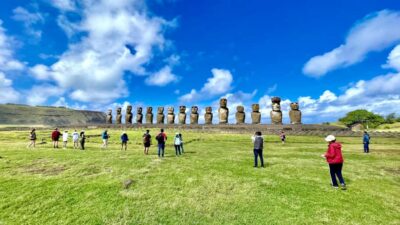
Tongariki is the visual high point of the route. Fifteen moai line the coastal platform, with the Pacific forming a broad backdrop behind them.
This is the place where the scale of Rapa Nui’s ceremonial tradition becomes easiest to grasp. One statue is impressive. A long row of them creates a different feeling, especially when you step back and take in the full platform.
You will want photographs here, but do not spend the entire stop looking through your phone. The arrangement of the statues, the coastline, and the silence of the setting deserve a few minutes of direct attention.
Tongariki is also where a good guide can add useful context. The statues are not identical, and their placement is not random decoration. Listen for explanations of the platform, the people connected with it, and the wider meaning of the ahu, or ceremonial platform.
The route is well suited to visitors who want the island’s major sights in a single day. Still, one passenger felt some visits were too quick and that two hours at the beach took time away from the most important sites. If you prefer long, quiet visits at each archaeological site, a private guide or a slower multi-day plan may suit you better.
Te Pito Kura and the island’s sacred stone
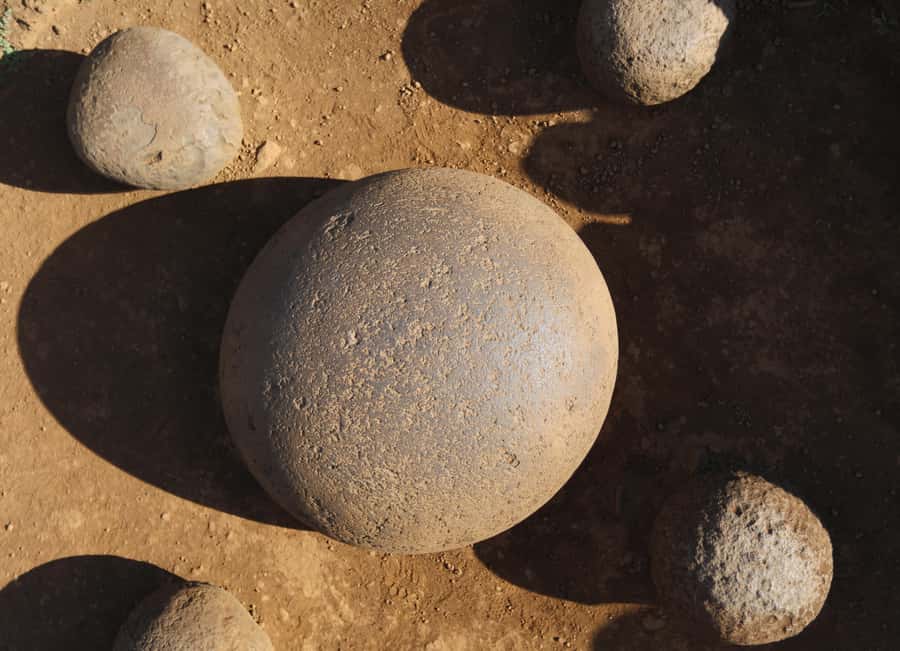
Te Pito Kura gives the day a different ending. The site is associated with the navel of the world and includes a notable magnetic stone, along with stories about its importance.
This is a smaller and more symbolic stop than Tongariki or Rano Raraku. It adds a geological and cultural note to the day rather than another large collection of moai. Your guide’s storytelling matters here because the significance is not always obvious from the objects alone.
The stop helps broaden your view of Rapa Nui. The island’s sacred places are not only about statues. Stones, coastlines, platforms, and stories all form part of the cultural picture.
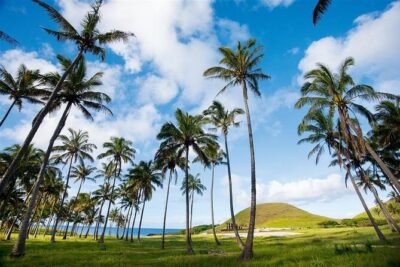
The written route ends with Te Pito Kura, but some departures have also included Anakena Beach near the end of the day. One passenger enjoyed ending beside the beach, while another had not brought swimwear and waited while part of the group went for a swim or stopped at a bar. Ask about the exact plan for your departure so you can bring a swimsuit and towel if needed.
Guides, languages, and the small-group setup
The tour includes a live guide in English or Spanish. Guide quality is one of its strongest points. Hiva is praised for detailed bilingual explanations and careful attention to the group. Ata is noted for clear English, while Fernanda is described as calm, polite, and unhurried. Pocho, Enzo, Franc, Javi, Angel, Kainoa, and others have also been praised for their explanations and friendly manner.
Of course, the guide you receive depends on the departure. Still, the pattern is encouraging: clear communication and a steady pace matter more here than theatrical presentation. Easter Island’s sites reward context, and you will get far more from the stops if you understand what you are seeing.
Groups are limited to 14 people, although one vehicle carried 12 and another passenger described a maximum of 13. A small group gives you a better chance to ask questions than a large coach tour. It does not guarantee a window seat. One person who was picked up last ended up in the middle of the vehicle and could not take pictures easily.
The transport is practical rather than luxurious. A driver was praised for handling rough roads and avoiding potholes, while another passenger felt the vehicle needed a thorough cleaning. Think of the van as a useful way to reach remote sites, not part of the attraction.
Food, bathrooms, weather, and what to pack
Lunch is not included. This is the most important practical detail to plan around. Carry water, snacks, and a packed lunch unless your operator confirms a food stop for your departure.
Bathroom stops may be limited. That can matter during an eight-hour route, especially because the sites are spread across the island. Use facilities when you have the chance and avoid assuming there will be a shop at the next stop.
Bring your passport or national ID, since it is required. You also need the national park ticket, which is not included in the tour price.
Pack:
- Water and food
- Sunscreen
- Comfortable walking shoes
- A hat or light layer
- Passport or national ID
- National park ticket
- Swimwear and a towel if Anakena is included
Weather can change the feel of the day. One group enjoyed the tour even in poor weather, thanks in part to a guide who kept the explanations clear and took care of the group. You may not get perfect skies, but the moai sites remain worthwhile.
Who will get the most from this $70 tour?
I would choose this tour if you have one main sightseeing day on Rapa Nui and want to cover the major eastern and northern sites without arranging several separate rides. The combination of hotel pickup, a bilingual guide, and a compact group makes the day easy to manage.
It also suits first-time visitors who want help understanding what they see. Rano Raraku and Tongariki are impressive without a guide, but Vaihu, Akahanga, and Te Pito Kura gain much more from explanation.
The tour is less suitable if you want complete control over the schedule. You cannot decide to linger for an hour at one site while skipping another. The group sets the pace, and a beach stop may take time from archaeological sites.
It may also be a poor fit if you expect lunch, frequent bathrooms, or guaranteed window seating. Those are not included. At $70, the price is reasonable for a guided full-day route with transport, but you should add the national park ticket and food when calculating the total.
Free cancellation up to 24 hours before departure and the reserve-now, pay-later option make planning easier. Starting times vary, so check availability for your date.
Should you book it?
Book this tour if you want a well-planned first look at Rapa Nui and value clear explanations over a completely private schedule. The route covers the sites most people hope to see, and the guides are the main reason it works so well.
Before booking, confirm the pickup time, lunch arrangements, and whether Anakena Beach is part of your departure. Bring food, water, your park ticket, and identification. If you do that, this is a practical way to meet the moai at Vaihu, Akahanga, Rano Raraku, Tongariki, and Te Pito Kura in one memorable day.
FAQ
How long does the Easter Island sightseeing tour last?
The tour lasts eight hours. Starting times depend on availability for your chosen date.
What sites does the tour visit?
The stated route includes Vaihu, Akahanga, Rano Raraku, Tongariki, and Te Pito Kura.
Is hotel pickup and drop-off included?
Yes. Pickup and drop-off at your accommodation are included.
What languages does the guide speak?
The live guide speaks English or Spanish. The activity is offered in both languages.
How large is the tour group?
The tour is limited to 14 participants. Some departures use a vehicle carrying around 12 or 13 passengers.
Is lunch included?
No. Lunch is not included in the price. You should bring food and water unless your departure has a confirmed lunch stop.
Is the national park ticket included?
No. The national park ticket must be purchased separately.
What should I bring?
Bring your passport or national ID card. Water, snacks, sunscreen, and suitable walking shoes are also practical. If your departure includes time at Anakena Beach, bring swimwear and a towel.
Just added around Easter Island
- Easter Island: 2 Full Days Private Tour★ 3.9 · 3 reviews
- Easter Island: Full Day Ancestral Caves and Orongo Village★ 5.0 · 3 reviews
- Easter Island: Customized recreational-tourist diving★ 5.0 · 3 reviews
- Ancestral fishing: Fishing with an experienced Rapa Nui★ 4.4 · 3 reviews
- Birdman Cult and Caves★ 4.0 · 5 reviews
- Rapa Nui: Polynesian Massage★ 4.8 · 5 reviews
- Easter Island: Moai Full Day Private Tour★ 4.8 · 5 reviews
- Rapa Nui: 3 Excursions with Hotel Transfers★ 4.3 · 6 reviews
Easter Island Tours, compared.
Two days of Full Day Tour of Rapa Nui + Sunrise in Tongariki
Read our review →
Browse the lists this tour appears in