
Reviewed · EASTER ISLAND TOURS
Easter Island: Demo of How to Carve a Moai statue
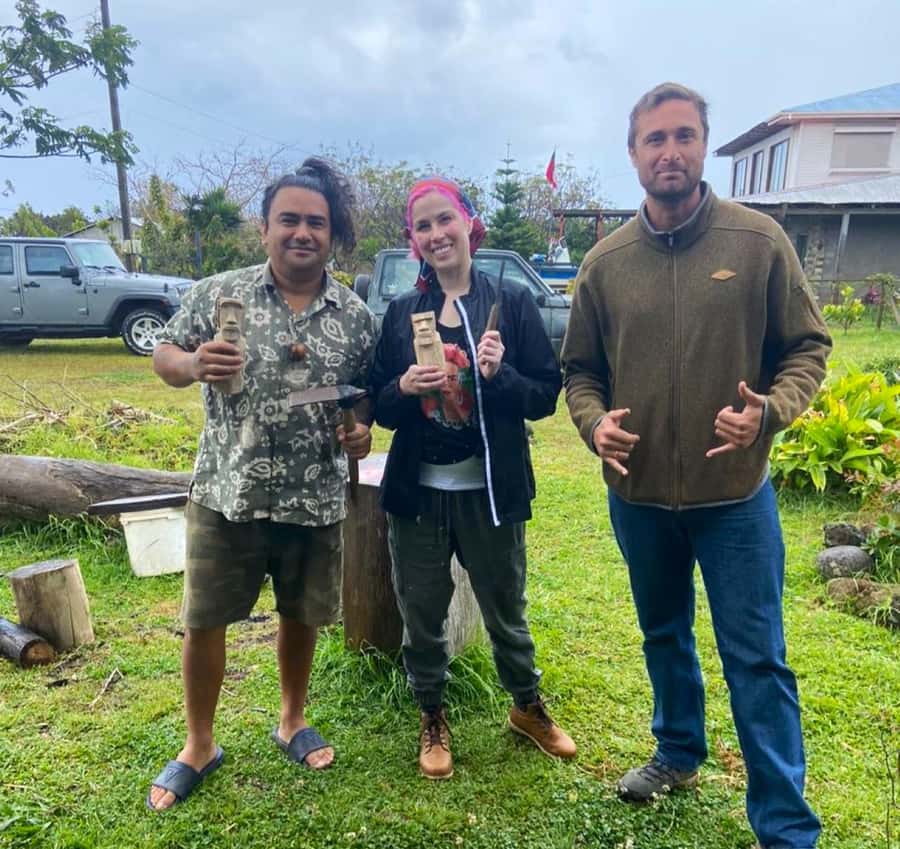
The most unusual part of this private Rapa Nui experience is its setting: you meet artist Joaquin Rapu at his home, not in a large workshop or tourist center. He introduces the tools, explains the carving process, and shows how a plain block of wood becomes a small moai figure.
I like the direct connection with a local artist, and I like that the class gives you something tangible to bring home. The main point to clarify is the final product: the description says you create your own moai, but one recent booking understood that the class produced one moai for the group. Ask Paikea Tours exactly what your booking includes.
Key points about the moai carving class
- Meet Joaquin Rapu at his house: The activity takes place at the artist’s home on Rapa Nui, giving the class a personal, local feel.
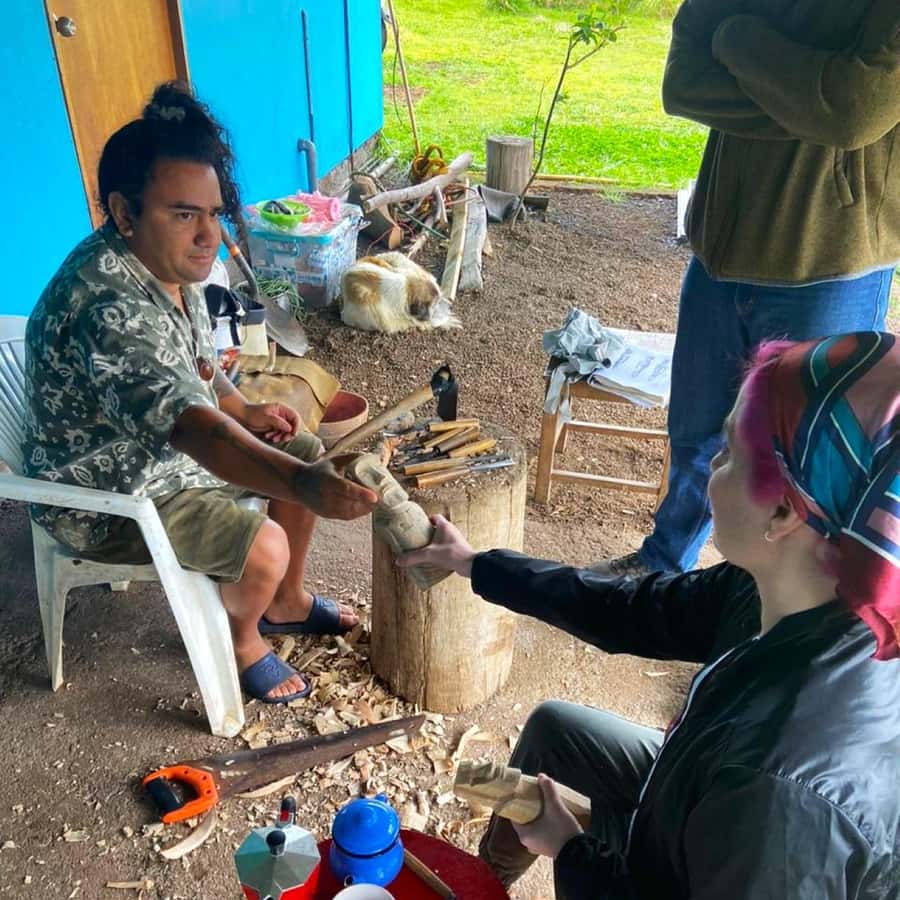
- Use real carving tools and wood: You do not just watch a demonstration. The tools, wood, and other supplies are provided for hands-on work.
- Learn about ancestral Rapa Nui art: Joaquin connects the carving process with the island’s ancestral culture and moai tradition.
- Take home a carved souvenir: The intended keepsake is a wooden moai made during the class, though you should confirm whether each person receives one.
- Private two-hour format: Your group has the artist’s attention rather than sharing a large public workshop.
- Spanish-language instruction: The stated instructor language is Spanish, so basic Spanish or a translation plan will help.
Meeting Joaquin at his Rapa Nui home
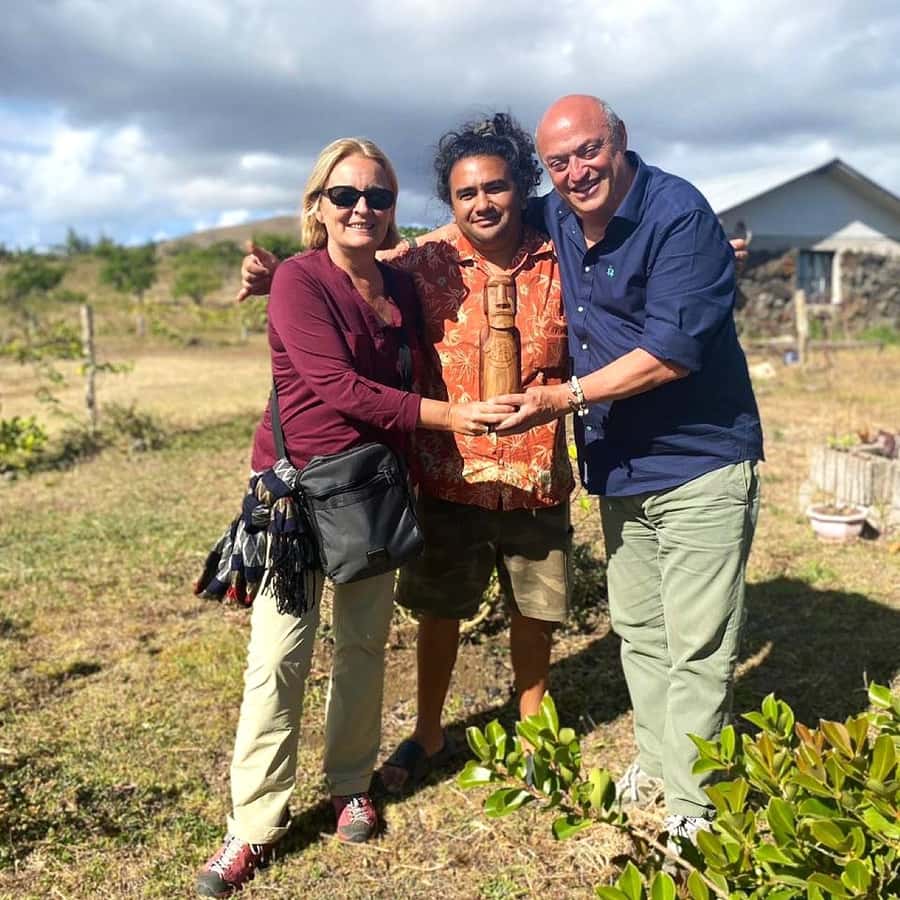
Your two-hour class begins at Joaquin Rapu’s house. You will need to arrange your own ride, usually by asking a taxi driver to take you to Joaquin Rapu’s house. The supplied meeting information describes it as the penultimate light-blue house on the road, with the exact map pin available through the booking information.
This detail matters on Easter Island. A private home is not always as easy to identify as a hotel or a clearly marked museum. Save the map link before leaving your accommodation, show the address to the taxi driver, and allow enough time to find the right house. Transportation to and from the artist’s home is not included in the $100 price.
The setting is part of the appeal. You are meeting a Rapa Nui artist in his own space, where the lesson can feel more like a personal introduction than a standard stop on a sightseeing route. I would not book this as a quick drop-in between distant archaeological sites. Plan your day around the two-hour appointment and the taxi ride.
The class is private, which is especially useful if you want to ask questions or need the process explained more than once. It also means the activity is not built around entertaining a large audience. You and your companions can focus on the work, the tools, and the story behind the carving.
More moai and Rapa Nui sites:
- From Hanga Roa: Rapa Nui Culture Sightseeing Tour
★ 4.6 · 307 reviews - From Hanga Roa: Journey from Orongo to Ana Te Pahu
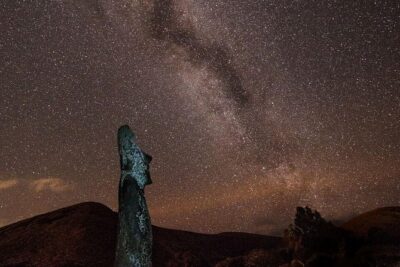
★ 4.3 · 75 reviews - Rapa Nui Stargazing
★ 4.5 · 62 reviews
The opening demonstration and island tradition
Joaquin begins by showing how a wooden moai is formed. You learn about the different tools used at different stages, then see how the wood is prepared and shaped. The supplied description presents this as both a demonstration and a master class, so expect to watch first and then try the process yourself.
The cultural setting gives the lesson more weight than a generic craft class. Moai statues were created only on Rapa Nui, making this a very specific island art tradition rather than a souvenir-making activity that could happen anywhere. You are not simply painting a pre-made figure. You are handling the material and tools while learning about a form tied closely to the island’s ancestors.
The two-hour length should give you enough time to understand the basic steps without turning the class into an all-day commitment. Still, keep your expectations sensible. You are not becoming a master carver in one session. You are getting an introduction to the process and making, or helping make, a small piece of art under Joaquin’s guidance.
The class is conducted in Spanish. That is important. You may be able to follow much of the demonstration by watching, but questions about tool use and carving technique are easier when you share a language. If your Spanish is limited, learn a few useful words before arriving, and ask Paikea Tours if you need translation support.
Choosing the wood and learning the tools
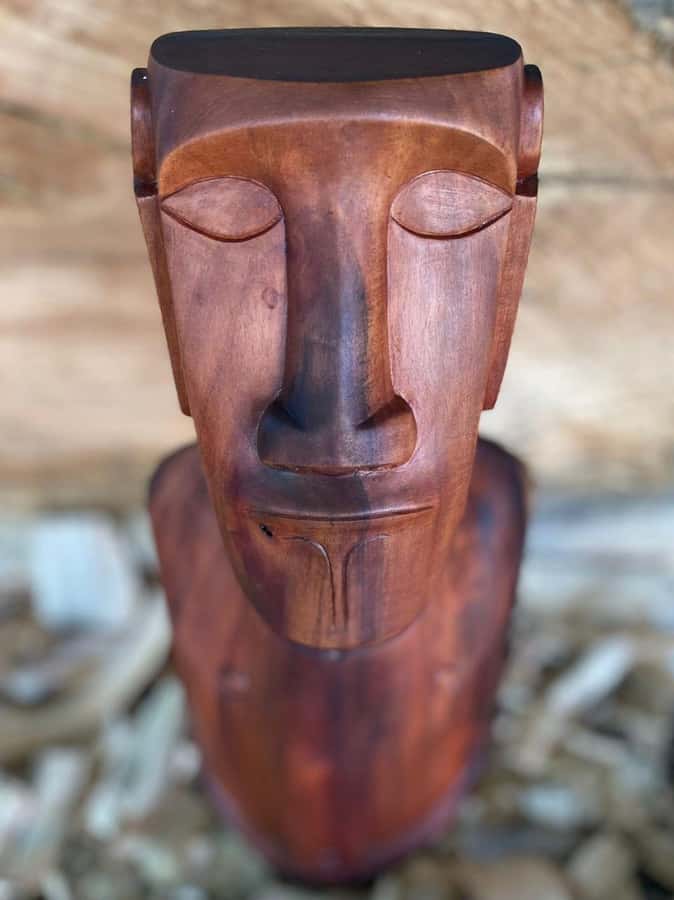
After the introduction, you take the wood supplied for the activity and begin shaping it. The experience includes the necessary carving tools and materials, so you do not need to purchase equipment or carry anything special from home.
This hands-on element is the strongest reason to choose the class. You are not standing behind a barrier while an artist works. You get to handle the tools, make decisions about the shape, and see how small changes affect the figure. Carving is slower and more physical than it looks, which makes the finished souvenir feel personal.
Wear comfortable clothing that can handle dust or wood shavings. The official advice is simple: choose clothes suitable for wood carving. Closed shoes are a sensible choice for any activity involving hand tools, though footwear requirements are not specifically stated. Bring a camera if you want pictures, but keep it out of the way while you are working.
I also recommend bringing patience. A small wooden figure may look simple, but the shape depends on careful work. You might find that the most rewarding part is not producing a perfect souvenir. It is understanding how much judgment goes into the artist’s version of a moai.
Making the souvenir and clarifying what you receive
The activity description says you can take your own carved wood moai home. That is an appealing part of the price, since the souvenir is tied to your own time at Joaquin’s house rather than bought from a shop.
There is one practical wrinkle. One person who booked the activity expected each participant to create a separate moai, but found that the activity produced one moai for the group. The group was able to purchase a second figure so each person could take one home. That account does not match the wording that promises your own statue, so clarify the arrangement before you pay.
Ask two direct questions:
- Does each paying participant carve and receive an individual wooden moai?
- If the class produces one shared figure, what is the price of an additional statue?
This is not a reason to reject the experience. It is simply the one detail most likely to affect your decision, especially if you are traveling as a couple or family and each person wants a separate keepsake. The class is not suitable for children under 12, so families with younger children will need another plan.
The finished work may be modest in size and detail. That is normal for a short introductory class. Its value comes from the connection to the lesson and the artist, not from comparing it with a large, professionally finished sculpture.
A few more Easter Island half-days to weigh up
- From Hanga Roa: Easter Island Highlights 2-Day Tour
★ 4.3 · 205 reviews - From Hanga Roa: Easter Island Sightseeing Full Day Tour
★ 4.5 · 189 reviews - Full day tour – DREAM
★ 5.0 · 86 reviews - Two days of Full Day Tour of Rapa Nui + Sunrise in Tongariki
★ 4.8 · 55 reviews
A personal class instead of a standard souvenir stop
I like the private format because it gives the experience a human scale. You meet one artist, work in a home setting, and have time to ask about the tools and the cultural background. Joaquin is described as warm, patient, informative, and hospitable, qualities that matter when a visitor is trying an unfamiliar craft in a second language.
One booking came from someone with broken Spanish who still found Joaquin patient. That is encouraging, but it does not remove the language issue. The stated instruction language is Spanish, so you should not assume an English-language lesson. If you understand little Spanish, arrange help in advance rather than hoping the demonstration alone will carry the session.
The private group setup also suits different skill levels. You do not need previous carving experience. The activity is designed to introduce the tools and process, with the artist guiding you through the stages. A confident craftsperson may wish for more time and more freedom, while a first-time carver will probably appreciate the close help.
The class can also work well for couples, friends, or a small family group with children aged 12 and older. Since it lasts two hours, it fits more easily into a day of island sightseeing than a longer workshop. I would choose it for people who enjoy making things, asking questions, and taking home an object with a story.
Is $100 a fair price?
At $100 per person, this is not a cheap souvenir purchase. You are paying for a private class, the artist’s time, the tools and materials, and the chance to take home a carved wooden moai. Transportation is extra, and that should be included in your budget.
The price makes more sense if you value personal instruction and cultural contact. A shop-bought moai may cost less and require no two-hour appointment, but it will not give you the same understanding of how the piece is made. Here, the activity itself is the main product, while the statue is the lasting reminder.
The value becomes less clear if you mainly want a finished sculpture or if you expect a separate figure for every person in your group. In that case, confirm the output before booking. An extra purchase may be possible, but the cost is not provided, so do not assume it is included.
A five-star rating from 19 bookings suggests strong satisfaction, and the most consistent praise centers on Joaquin’s friendliness, patience, and the unusual nature of the experience. That matches the main strength I see here: you get an encounter with a local artist that is hard to duplicate elsewhere. It is less compelling for anyone who does not enjoy hands-on crafts or who wants a fast, polished attraction.
The booking terms also reduce some risk. You can cancel up to 24 hours ahead for a full refund, and you can reserve now and pay later. Those options are useful on an island trip, where weather, transport, and changing plans can affect your schedule. They do not solve the language or souvenir-size questions, so ask those before the appointment.
What to bring and how to prepare
Keep your preparation simple:
- Wear comfortable clothes suited to wood carving.
- Bring a camera for the artist, tools, and finished work.
- Save the house location and taxi instructions offline.
- Have basic Spanish phrases ready, or arrange translation help.
- Confirm how many carved moai your booking includes.
The camera advice is worth taking seriously. The process is more interesting than a quick photograph of the finished object, but you should ask before photographing Joaquin or his work. A few pictures of the stages can help you remember the lesson and explain the process when you show the souvenir at home.
Do not bring valuable clothing that you are afraid to mark. The supplied information does not specify the type of wood, the exact tools, or the amount of dust, so practical clothing is the safest choice.
You should also arrive ready to participate. This is not a performance where you sit back for two hours. The point is to use the tools, follow the stages, and let the piece take shape under guidance. Your result may have its own small quirks, which is exactly what makes a handmade souvenir different from a factory copy.
Who should book this experience?
I would recommend the class to you if you want a close meeting with Rapa Nui culture and prefer making something to simply buying something. It is a good fit for craft fans, couples, adult families, and anyone who likes returning from a trip with an object connected to a specific person and place.
It is also useful if you have already seen the island’s major moai sites and want a more personal activity. The class does not replace visiting the archaeological sites, but it gives you a different way to think about the figures and the labor involved in making them.
I would hesitate if you need English instruction, dislike working with hand tools, or have very limited time. I would also hesitate if every person in your party must receive an individual carving and you cannot get a clear answer about the arrangement.
Should you book the Joaquin Rapu moai carving class?
Book it if the private setting, Spanish-language exchange, and hands-on work appeal to you. The strongest reason to go is the chance to meet Joaquin Rapu and learn a Rapa Nui carving tradition directly from an artist, with tools and materials supplied.
Before booking, confirm the exact meeting details, transportation plan, language support, and number of moai included. If those points suit you, the $100 cost buys more than a wooden souvenir. It buys two focused hours of making, learning, and taking home a small reminder of Rapa Nui that you helped create.
FAQ
Where does the moai carving class meet?
The class meets at Joaquin Rapu’s house. The meeting information describes it as the penultimate light-blue house on the road, and a map link provides the exact location.
Is transportation included?
No. You must arrange transportation to and from the artist’s house. You can ask a taxi driver to take you to Joaquin Rapu’s house.
How long does the activity last?
The private class lasts two hours. Starting times depend on availability.
What language is the class in?
The stated instructor language is Spanish. If you do not speak Spanish comfortably, arrange translation support or ask Paikea Tours about language assistance before booking.
What is included in the price?
The price includes a private wood-carving class with a local Rapa Nui artist, the necessary carving tools and materials, and a carved wooden moai to take home. Confirm how many individual figures your booking includes.
Are children allowed to join?
Children under 12 are not suitable for this activity. The supplied information does not state a maximum age or group size, but the activity is described as a private group experience.
Just added around Easter Island
- Easter Island: 2 Full Days Private Tour★ 3.9 · 3 reviews
- Easter Island: Full Day Ancestral Caves and Orongo Village★ 5.0 · 3 reviews
- Easter Island: Customized recreational-tourist diving★ 5.0 · 3 reviews
- Ancestral fishing: Fishing with an experienced Rapa Nui★ 4.4 · 3 reviews
- Birdman Cult and Caves★ 4.0 · 5 reviews
- Rapa Nui: Polynesian Massage★ 4.8 · 5 reviews
- Easter Island: Moai Full Day Private Tour★ 4.8 · 5 reviews
- Rapa Nui: 3 Excursions with Hotel Transfers★ 4.3 · 6 reviews
Easter Island Tours, compared.

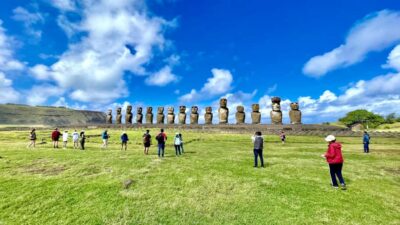
Two days of Full Day Tour of Rapa Nui + Sunrise in Tongariki
Read our review →
Browse the lists this tour appears in