
Reviewed · PUNTA ARENAS TOURS
Punta Arenas: Full-Day Whales, Penguins, and Glaciers Tour
The big draw is the rare chance to see whales, penguins, and glaciers in one long day from Punta Arenas. You travel by coach to the southern boarding point, then spend roughly 12 hours at sea around Cape Froward and Francisco Coloane Marine Park, one of the wildest corners of the Strait of Magellan.
I like two things here: the boat gets close to the glacier, and the crew keeps scanning for wildlife instead of treating the trip as a simple scenic cruise. The main drawback is the price, $365, and the rough early sailing can leave seasick passengers regretting breakfast before the whales appear.
Key points to know before you book
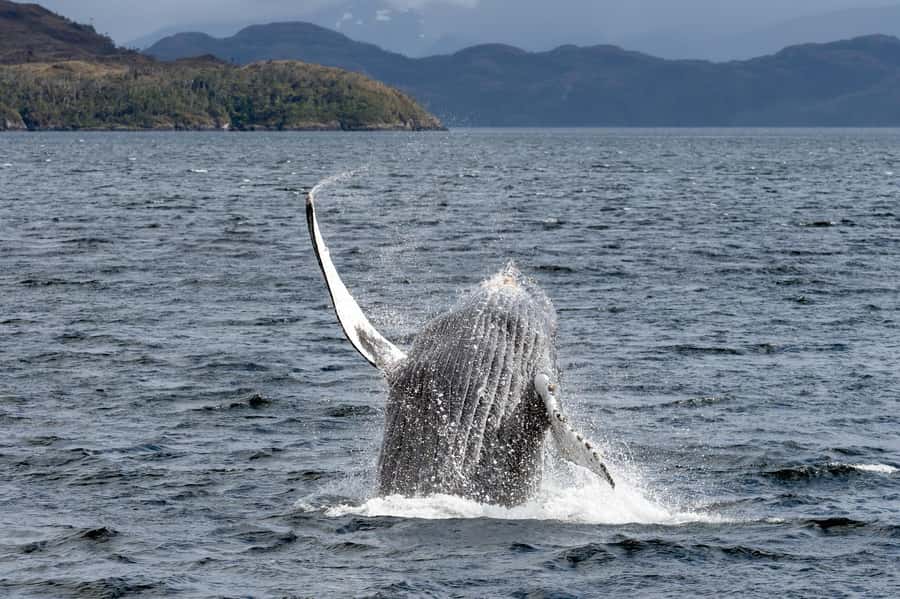
- The wildlife list is unusually strong: Humpback whales, Magellanic penguins, sea lions, seals, dolphins, cormorants, petrels, and sometimes condors and albatross.
- Cape Froward can be rough: The passage is exposed, and several passengers have become very seasick on the morning run.
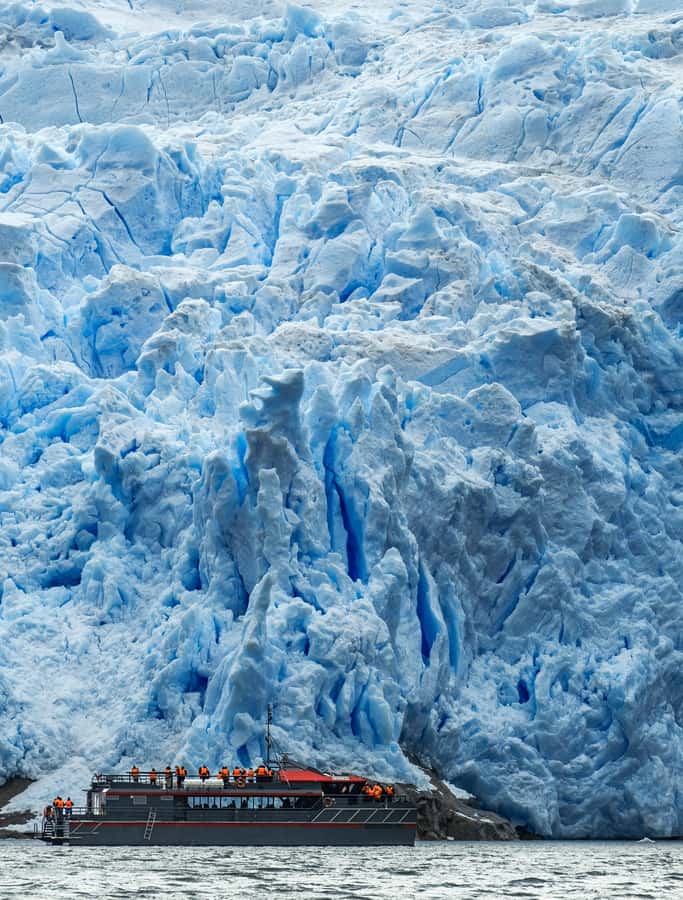
- The glacier is a real highlight: The boat approaches Sarmiento de Gamboa Glacier and other ice and waterfall scenery closely enough for excellent photographs.
- The vessel is built for a long day: Expect warm indoor seating, large windows, outdoor viewing areas, several toilets, and a clean, modern boat.
- Food is practical, not special: Breakfast and lunch are included, but I would bring extra snacks. Tea, coffee, hot chocolate, water, fruit, and soup help fill the gaps.
- This is an early-to-late commitment: The day begins around 4 a.m. and can run 14 hours or longer if the captain stays with good whale activity.
Why this Punta Arenas day trip is worth considering
Punta Arenas is a launch point for some of Chile’s most remote scenery, but many excursions focus on one main attraction. This one tries to link several of them in a single outing: the southern Strait of Magellan, Cape Froward, glaciers, marine mammals, seabirds, and Magellanic penguins.
That range is the reason I can understand the $365 price. You are not paying for a short boat ride and a single viewing platform. You are paying for the long transfer, a full day on the water, the crew, meals, and the chance to reach a remote marine park that would be difficult to visit independently.
The trade-off is simple. This is a serious expedition-style day, not a relaxed harbor cruise. You leave early, spend many hours aboard, and may face cold wind, rain, or rough seas. If you want a compact excursion with a guaranteed animal encounter, this is the wrong shape of trip. If you are willing to give nature most of a day, the payoff can be remarkable.
The overall rating is 4.9 from 325 bookings, and the most consistent praise concerns the crew, the comfortable vessel, the scenery, and close wildlife encounters. The food gets much less affection. That split is useful: book for the natural setting and the operation, not for a memorable meal.
More penguin colony crossings:
- Punta Arenas: Walk with Penguins on Magdalena & Marta Island
★ 4.6 · 611 reviews - Punta Arenas: Full Day Tierra del Fuego & King Penguins
★ 4.3 · 179 reviews - Navigation Magdalena Island and Marta
★ 4.0 · 164 reviews
The 4 a.m. start and the road to the boat
The meeting point is José Nogueira 1255 in central Punta Arenas. Hotel pickup and drop-off are not included, so you need to reach this address yourself. From there, shared transportation takes about an hour to the boarding place, located roughly 50 kilometers south of town.
The early departure is not a minor detail. Some departures have started around 3 or 4 a.m., and you will be out until the evening. Pack what you need the night before, especially warm layers, waterproof clothing, and medication for motion sickness if you use it.
The coach transfer is useful because it removes the need to arrange your own transport to the remote port. It also gives the crew a controlled starting point for a long day. At the boat, breakfast is provided, generally as a packed meal rather than a cooked spread.
Do not bring luggage or a large bag. A small day pack with your passport or ID, camera, medication, extra snacks, and clothing is the sensible choice. Your passport or identity card is required.
Crossing the Strait of Magellan
Once aboard, the first major section is a roughly 90-minute sail through the Strait of Magellan. This is where you settle into the rhythm of the trip. The boat has heated indoor seating, windows for viewing, outdoor deck space, and several toilets, which matter a great deal on a 12-hour sailing day.
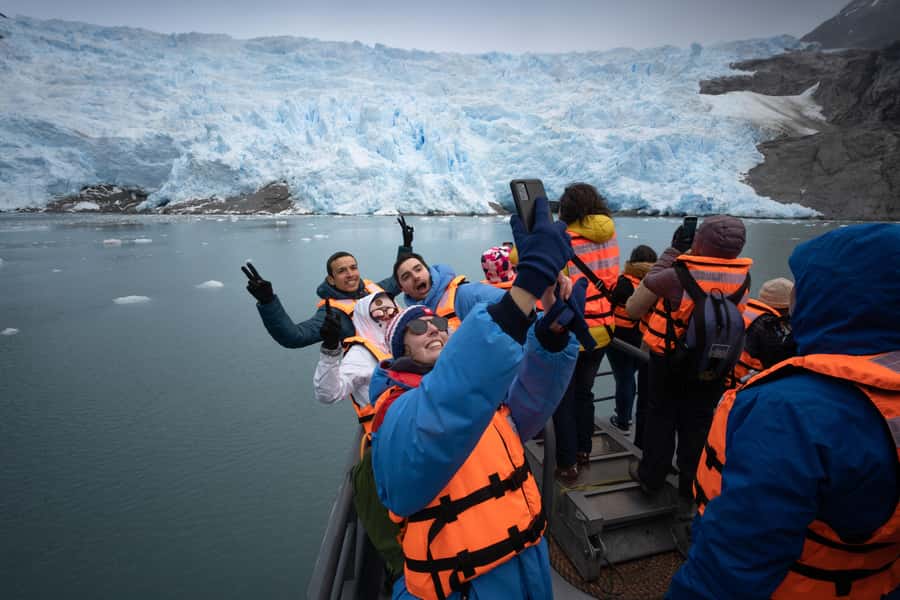
The interior is your refuge when the wind picks up. Outside, you get the best photographs and the clearest sense of the scale of the water and mountains. Lifejackets must be worn on deck, and the vessel has been described as clean, modern, and in good condition.
The Strait can look calm one moment and turn uncomfortable the next. The morning passage toward the wildlife areas has caused severe seasickness for some people, with reports of a large part of the boat feeling ill on rough days. Even if you usually manage boat rides well, I would consider taking your preferred motion-sickness medicine before departure and bringing simple food you know you can tolerate.
The return crossing is often calmer, but no captain can promise that. You are entering open, changeable water, not taking a protected sightseeing ferry.
Cape Froward, the southern landmark
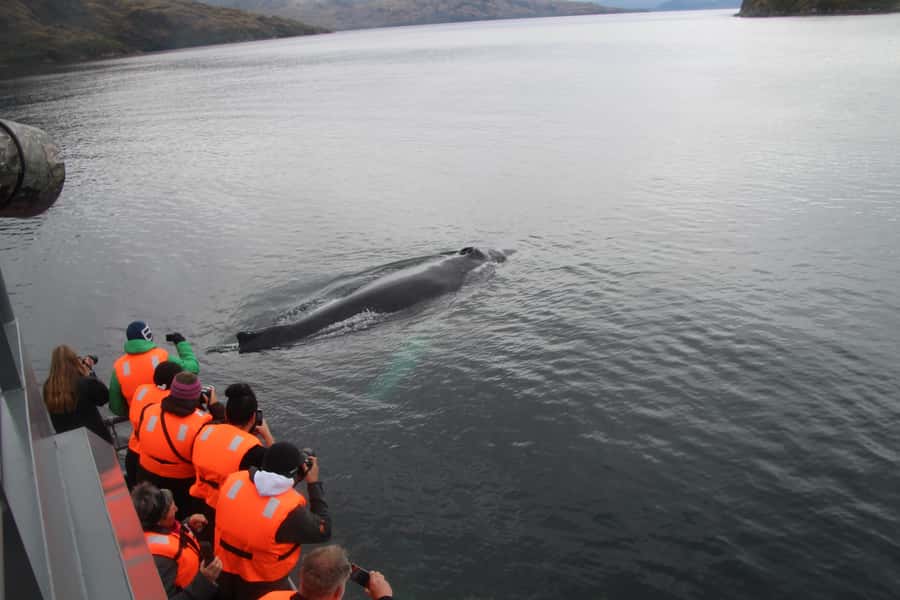
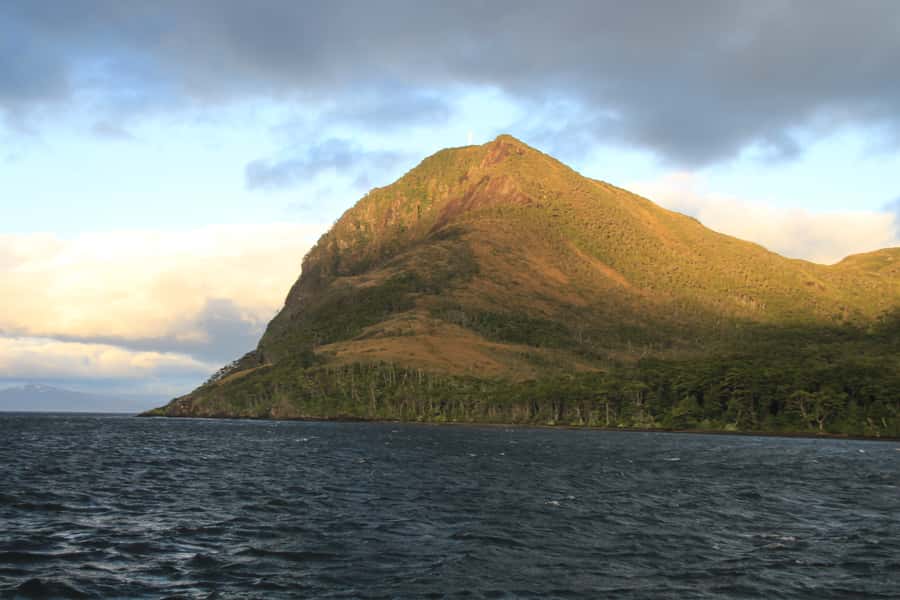
The route reaches Cape Froward after another stretch of sailing, including about 30 minutes specifically around the cape. Cape Froward is one of the southernmost points on the planet and marks the sense of remoteness that defines this part of Chile.
Here, the reward is not a single attraction with a ticket booth. It is the combination of steep shores, mountains, forest, ice, and open water. Lenga and coihue forests cover parts of the surrounding terrain, while waterfalls and glaciers appear along the route.
This is also a useful point to adjust your expectations. Cape Froward is not a guaranteed wildlife stage. The captain and crew watch carefully, but animals move freely and weather can alter the route or viewing conditions. The trip continues because the area itself is valuable, even if a whale does not appear on cue.
A few more Punta Arenas half-days to weigh up
- Whales & Humboldt Penguins: Chañaral or Damas island hiking
★ 4.3 · 10 reviews
Francisco Coloane Marine Park and the whale search
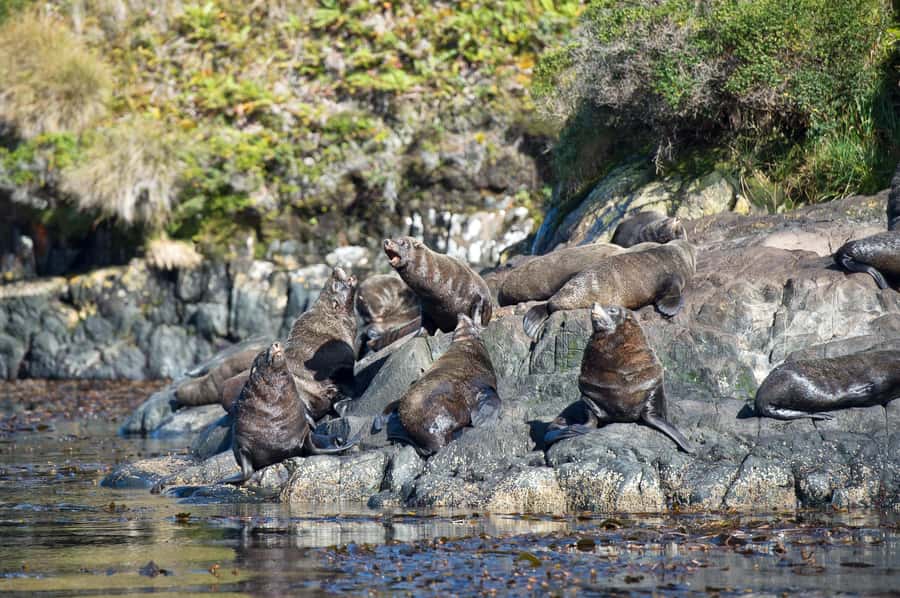
The main wildlife period takes place in Francisco Coloane Marine Park, with around three hours set aside for whale watching and wildlife viewing, followed by another two-hour section focused on marine life and scenery.
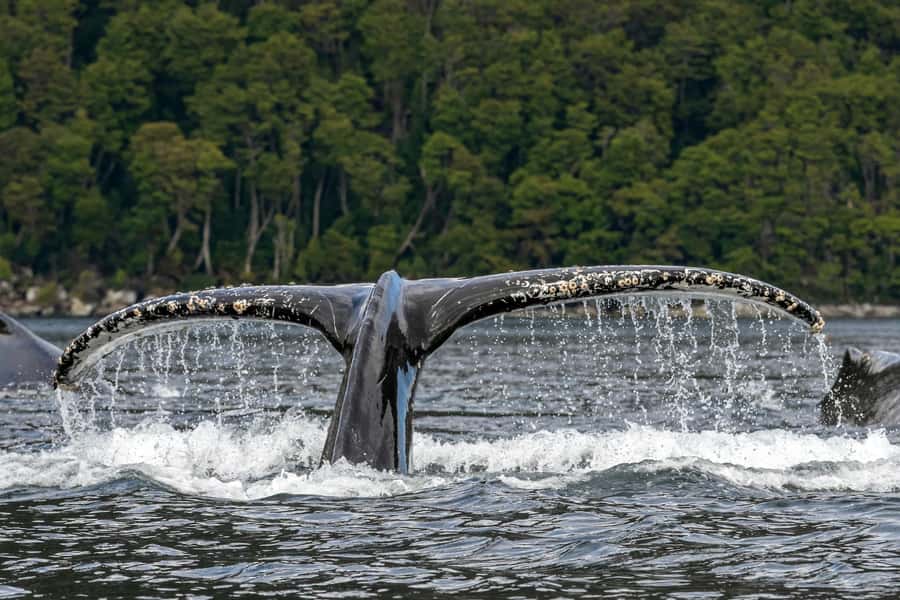
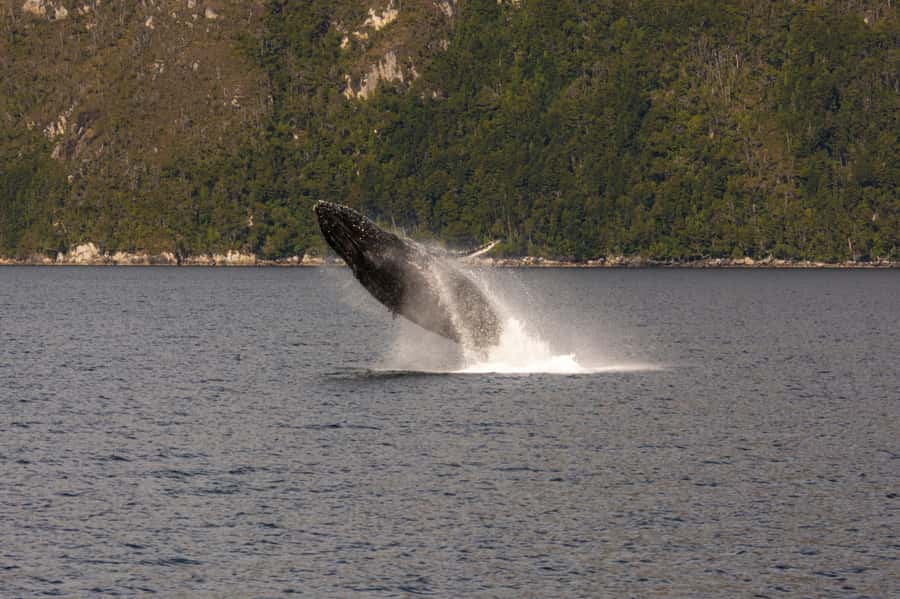
Humpback whales are the star. On strong days, you might see many animals, sometimes in pods, with reports of whales surfacing close to the boat and even breaching. The crew actively scans the water and points out sightings, which is important because a whale can surface far from where you first looked.
You may also see Sei whales, sea lions, seals, Peale’s or austral dolphins, Commerson’s dolphins, and possibly piebald dolphins. Seabirds are part of the show too: cormorants, petrels, condors, albatross, and other birds can appear around the vessel and shoreline.
The boat can get crowded on deck when a whale surfaces nearby. Indoor windows provide an alternative, but if you want the clearest view, you may need to move outside quickly and share the rail with other passengers. Bring a camera with a useful zoom, but do not spend the whole trip staring through a screen. The animals may surface on either side of the boat.
Nature decides the quality of the whale watching. One departure may produce dozens of humpbacks and close encounters. Another may offer only distant blows or brief views. The operators cannot make whales appear, and the trip will not be cancelled simply because sightings are limited. That is the honest bargain with wildlife tourism.
Glaciers, waterfalls, and Sarmiento de Gamboa
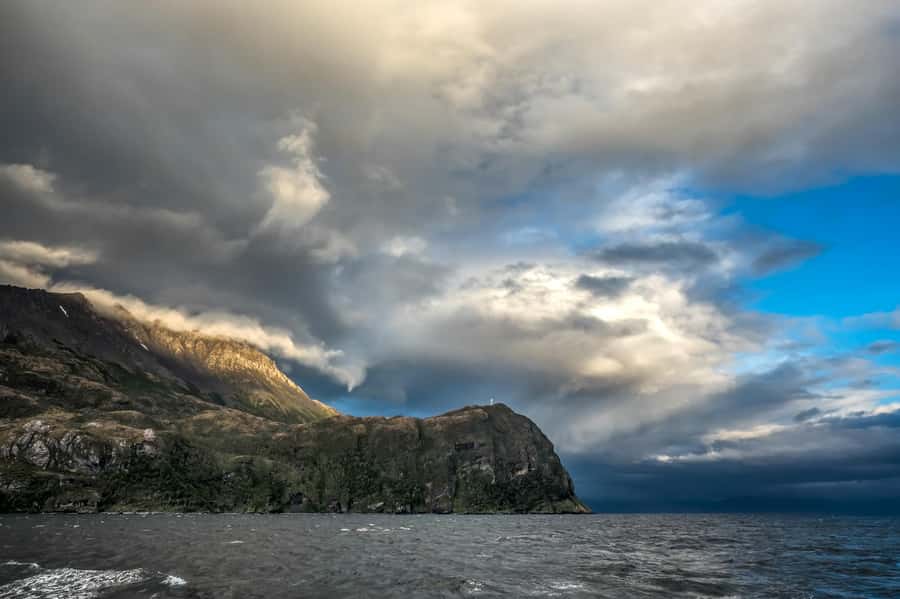
The glacier section is often the other major high point. The vessel approaches glacier walls and waterfalls closely, sometimes within roughly 50 to 100 meters according to reported viewing distances. The scale becomes easier to appreciate from the water, where there is no nearby road, trail, or building to interrupt the view.
Sarmiento de Gamboa Glacier has made a particularly strong impression. The crew may collect small pieces of floating glacier ice, and some departures have used glacier ice in whisky or pisco sours. That is a fun touch, but the ice itself is secondary to the sight of the glacier and the remote coast.
Lunch is often served after the glacier and whale-watching section, giving you a warm break after hours on deck. The route may pause near the ice for photographs and a meal, though the exact timing depends on conditions and wildlife activity.
The scenery is not just a backdrop between animals. Mountains, forest, waterfalls, glaciers, and sea create a continuous sense of distance from ordinary life. If you care more about untouched southern scenery than about ticking off a species list, you may find this part of the trip especially rewarding.
Meals, hot drinks, and what to pack
Breakfast and lunch are included, along with a snack. Breakfast has been described as a cold packed meal such as a ham and cheese sandwich, brownie, biscuits, juice, or similar items. Lunch is usually a hot, filling dish, with soup, fruit, a dessert or chocolate bar, and a drink.
The food will keep you going, but it is not a strong reason to pay for the tour. Several people found the meals disappointing for the price, while others considered them acceptable. I would bring extra snacks, provided they fit in a small bag and comply with the no-luggage rule.
Tea, coffee, hot chocolate, and water are available through the day. Fruit and soup may also be offered, which helps on a cold crossing. Warm drinks are one of the more useful comforts aboard, especially after time outside in wind and rain.
Wear comfortable shoes with a good grip. Bring thermal layers, a waterproof outer layer, gloves, a hat, and clothing that blocks wind. Conditions can shift from rain to sunshine in the same day, so avoid dressing for only the forecast in Punta Arenas.
Guides, crew, and the long return
The guiding is bilingual in English and Spanish. The crew explains the wildlife, watches for movement, directs passengers toward sightings, and helps maintain order on deck. Captain Joshua is named in one account as part of a team that worked hard to extend viewing time when conditions allowed.
That willingness to stay with whale activity can make the day longer than expected. Usually, that is good news. Still, you should not schedule a tight evening connection or an important dinner afterward. The advertised duration is 14 hours, and some returns have reached around 6:30 or 7 p.m.
The route back through the Strait takes about three and a half hours, followed by the one-hour coach ride to José Nogueira 1255. A delay waiting for the bus has occurred, so keep your evening flexible.
The crew’s attitude is one of the strongest parts of the operation. You can expect help with sightings, food, hot drinks, and the practical needs of a long day at sea. That matters more than polished commentary when the weather turns cold or the boat gets lively.
Who should book this $365 experience?
I would recommend it to you if whales are high on your Chile wish list and you have only one full day available from Punta Arenas. It also suits photographers, bird watchers, families with older children, and anyone who prefers a broad wildlife outing to a single short attraction.
You should be comfortable with an early start and a long period aboard a boat. If you are prone to seasickness, prepare seriously rather than hoping for calm conditions. The trip can be outstanding in rough weather, but it will not feel easy.
The value depends on what you compare it with. At $365, this is expensive, especially since the meals are basic and sightings are never guaranteed. Yet the route reaches a remote part of the Strait, combines several major attractions, includes transport and food, and can deliver close encounters with humpback whales, glaciers, penguins, and sea lions in one day.
Free cancellation up to 24 hours before departure and reserve-now, pay-later booking make planning less risky. Still, weather and wildlife remain beyond your control, so book this for the quality of the opportunity, not for a promised checklist.
Should you book the Solo Expediciones whale tour?
Book it if you want the biggest possible nature day from Punta Arenas and can handle a 14-hour schedule. The strongest reasons are the modern, comfortable boat, attentive bilingual crew, close glacier viewing, and a genuine chance to see humpback whales in the wild alongside penguins and other marine life.
Skip it if you want a cheap excursion, dislike rough water, or need a predictable finish time. Bring motion-sickness medication, waterproof layers, and extra snacks. With those preparations, this is one of the more ambitious and memorable ways to experience the southern Strait of Magellan.
FAQ
Where does the tour start?
The meeting point is José Nogueira 1255 in Punta Arenas, Región de Magallanes y de la Antártica Chilena.
Is hotel pickup included?
No. Hotel pickup and drop-off are not included. Shared transportation begins from the stated meeting point.
How long does the experience last?
The listed duration is 14 hours. The day includes about one hour by coach each way and roughly 12 hours of sailing and wildlife viewing.
Which languages are available?
The live guide service is available in English and Spanish.
What wildlife might I see?
Possible sightings include humpback whales, Sei whales, Magellanic penguins, sea lions, seals, piebald dolphins, Commerson’s dolphins, austral dolphins, cormorants, petrels, and other seabirds. Wildlife sightings are not guaranteed.
Will I see glaciers?
The route includes glacier viewing, including Sarmiento de Gamboa Glacier and other ice and waterfall scenery around Cape Froward and the Strait of Magellan.
What food and drinks are included?
Breakfast, lunch, and a snack are included. Coffee, tea, water, and other hot drinks are available during the day.
What should I bring?
Bring your passport or ID card, comfortable shoes, warm clothing, and waterproof or windproof layers. Extra snacks and motion-sickness medicine may also be useful.
Can I bring luggage?
No. Luggage and large bags are not allowed. A small day pack is the practical choice.
More Full-Day in Punta Arenas
- Punta Arenas: Full-Day Torres del Paine Tour
★ 4.8 · 131 reviews - Punta Arenas: Full Day Torres del Paine + Milodon Cave
★ 4.6 · 73 reviews - From Punta Arenas: Full Day Torres del Paine
★ 3.8 · 23 reviews - Punta Arenas: Torres del Paine & Grey Glacier Full-Day Boat
★ 4.8 · 6 reviews
Just added around Punta Arenas
- Punta Arenas: Magallanes National Reserve and City Tour★ 5.0 · 3 reviews
- Punta Arenas: Austral Dolphin & Wildlife Watching Boat Tour★ 5.0 · 4 reviews
- Punta Arenas: Torres del Paine & Grey Glacier Full-Day Boat★ 4.8 · 6 reviews
- Punta Arenas: Fuerte Bulnes Shore Tour for Cruisers★ 4.6 · 6 reviews
- Horseback Riding near Strait of Magellan★ 4.5 · 8 reviews
- Magdalena Island: Walk with the penguins★ 4.6 · 17 reviews
- Punta Arenas: City Tour★ 4.6 · 18 reviews
- From Punta Arenas: Full Day Torres del Paine★ 3.8 · 23 reviews
Punta Arenas Tours, compared.
Walk with Penguins on Magdalena & Marta Island
Read our review →
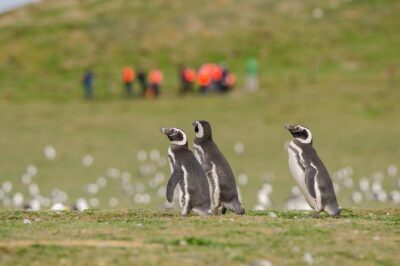
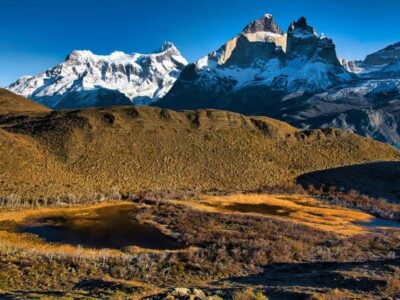
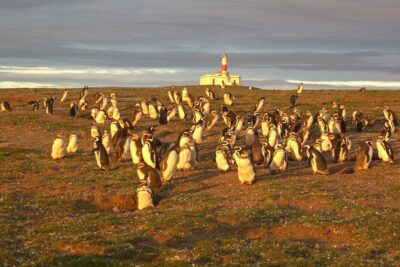
Walk alongside Penguins on Magdalene Island and navigate Marta Island
Read our review →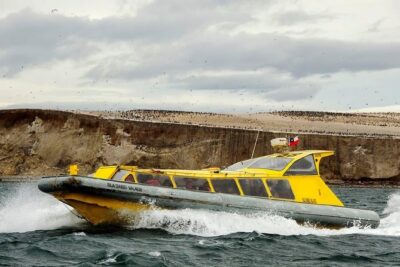
Magdalena Island Penguin Tour by Boat from Punta Arenas
Read our review →
Private Torres del Paine & Milodon, departing from Punta Arenas
Read our review →
Browse the lists this tour appears in