
Reviewed · PUNTA ARENAS TOURS
Punta Arenas: City Tour
Punta Arenas tells its story in grand mansions, wind-bent streets, old ships, and the broad Strait of Magellan. This three-hour tour gives you a useful first look at the city, from Plaza de Armas and its golden-age buildings to the hilltop view at Cerro de la Cruz.
I like the easy hotel pickup in the urban area, and I like the mix of indoor and outdoor stops. You get local context at the museums, then fresh air at the cemetery, waterfront, and viewpoint. The main limitation is time: three hours moves quickly, and museum entry fees are not included.
Key things to know
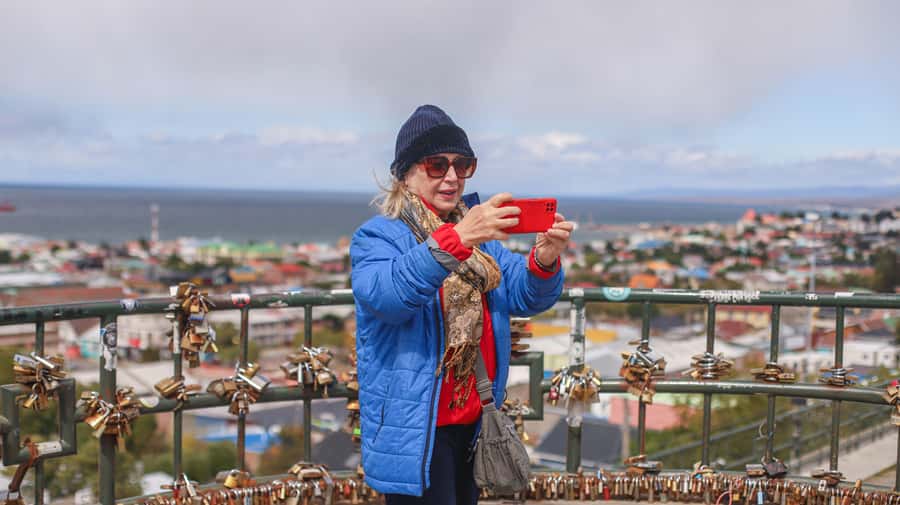
- Cerro de la Cruz viewpoint: Look across Punta Arenas and the Strait of Magellan from one of the city’s best viewing points.
- Two museums, two different angles: Palacio Braun Menéndez presents the region’s grand early homes, while the Salesian Museum covers local culture and natural history.
- Sara Braun Cemetery: This carefully maintained cemetery is considered one of the 10 most beautiful in the world.
- A guide-led introduction: Guides such as Jose Jara explain the city’s past, local places, and practical details in English or Spanish.
- Useful hotel pickup: Transport from lodging in Punta Arenas’ urban area is included, along with water or juice, fruit, dried fruit, and a protein bar.
- Weather matters: Bring warm clothes, a windbreaker, and sunscreen. The route can change with weather, timing, or the day of the tour.
Starting in Punta Arenas’ historic center
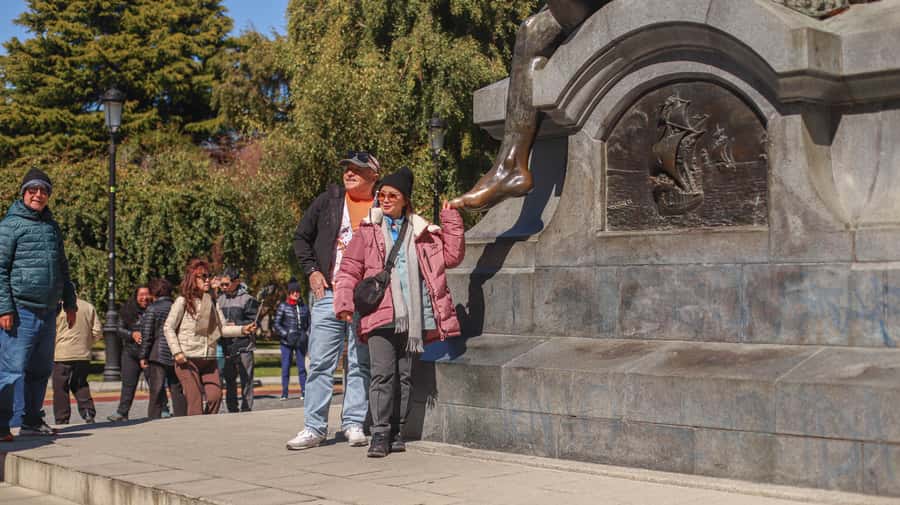
Your tour begins with pickup at your hotel in the urban area of Punta Arenas. From there, you head to the main square, Plaza de Armas, the natural starting point for understanding the city.
Punta Arenas grew into an important regional center during the period when shipping through the Strait of Magellan brought trade and money to the far south. The city’s historic center still reflects that era. As you walk and drive through the streets, look for the large homes, formal facades, and European-influenced architecture connected with the region’s prosperous years.
This is not a tour built around one single monument. Its value comes from seeing how the parts fit together. The square, cathedral, mansions, museums, hilltop, cemetery, and waterfront each give you another piece of the city’s story.
Your guide matters here. A good guide turns a row of attractive buildings into a readable chapter of Punta Arenas’ past. Jose Jara is one guide associated with this experience, and his tour style includes practical help as well as explanations about the city, region, and country. That can be useful early in your stay, when you are still working out where things are and how Punta Arenas fits into Patagonia.
A few more Punta Arenas half-days to weigh up
- Punta Arenas: Walk with Penguins on Magdalena & Marta Island
★ 4.6 · 611 reviews - Punta Arenas: Full-Day Whales, Penguins, and Glaciers Tour
★ 4.9 · 325 reviews - Punta Arenas: Full Day Tierra del Fuego & King Penguins
★ 4.3 · 179 reviews
Plaza de Armas and the cathedral
Plaza de Armas gives you a quick sense of Punta Arenas’ civic center. The square is tied to the city’s major historic buildings, including the cathedral and the grand architecture from the area’s prosperous period.
This is a good place to begin because it helps you get your bearings. You are not simply looking at a church or a public square. You are seeing the part of town where the city’s public life and commercial power gathered.
Expect some walking through the historic center, with time to look at facades and hear the background behind them. The exact order and length of each stop can change, so keep your schedule somewhat open.
If architecture is your main interest, pay attention to the details rather than rushing from one stop to the next. The tour is short, and you may not get a long, quiet period at every building. Still, the guide’s explanations add much more than a self-guided stroll would provide.
Palacio Braun Menéndez and the city’s golden age
The Regional Museum of Magallanes, also called the Palacio Braun Menéndez Regional Museum, is one of the tour’s key indoor stops. The building itself is part of the story.
A visit here gives you a look at the homes and lifestyle connected with Punta Arenas’ golden age. The contrast is useful: outside, you see a southern Chilean city shaped by wind, distance, and the Strait. Inside, the palace reflects the wealth that once flowed through the region.
I like this stop because it adds scale to the history. It is easy to hear about wealthy families and trade, then forget that those forces changed actual buildings and daily life. Walking through a former palace makes that period more concrete.
Museum entry fees are not included in the tour price, so budget for that separately. The supplied information does not state the exact admission cost, and the itinerary may be adjusted based on opening times or the day of your visit.
Cerro de la Cruz and the Strait of Magellan
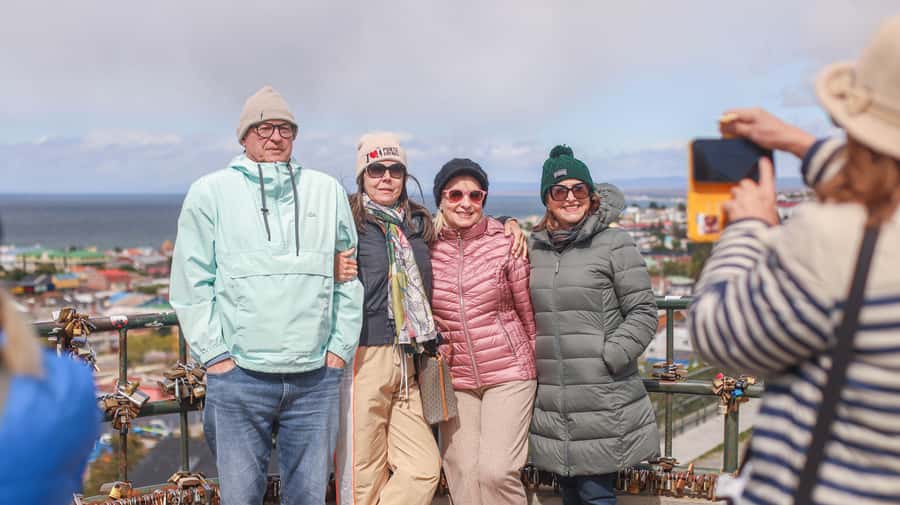
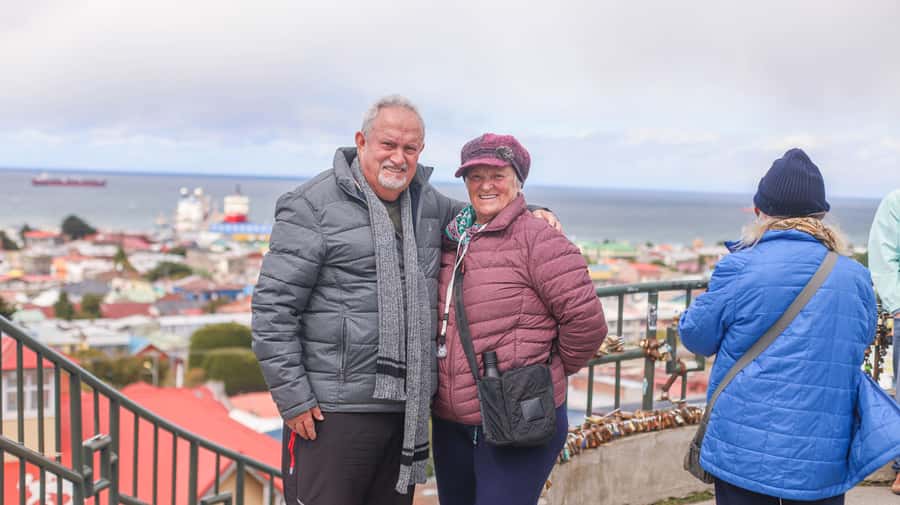
Next, you go up to Cerro de la Cruz, a viewpoint overlooking Punta Arenas and the Strait of Magellan. This is likely to be one of the most memorable parts of the outing because it connects the city to the waterway that shaped its place in the world.
At street level, Punta Arenas can feel like a collection of buildings and roads. From the viewpoint, the setting makes more sense. You can look over the city and out toward the strait, gaining a clearer idea of why this location mattered for shipping and exploration.
Bring your windbreaker for this stop. Punta Arenas is known for changeable, forceful weather, and an exposed viewpoint can feel much colder than a sheltered street. Sunscreen also belongs in your day bag. Southern light can be strong even when the air feels cool.
The tour includes time for sightseeing and photographs, but this is not a long viewpoint excursion. If you want extended time at Cerro de la Cruz, you may need to return on your own. The benefit here is that transport and explanation are handled for you, allowing you to see the viewpoint within a compact city visit.
More City Tours in Punta Arenas:
- Punta Arenas: Magallanes National Reserve and City Tour
★ 5.0 · 3 reviews - Private Santiago City Half Day Tour
★ 4.0 · 414 reviews - Valparaiso: Street Art, Funiculars and Port City Tour
★ 4.8 · 214 reviews - Santiago: Full day tour to Valparaiso and Viña del Mar city
★ 4.0 · 188 reviews
Sara Braun Cemetery and the Shepherd Monument
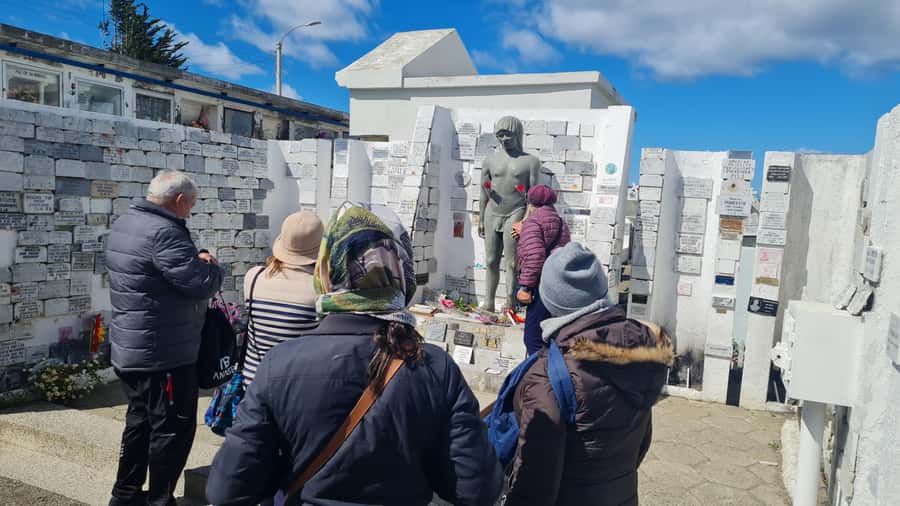
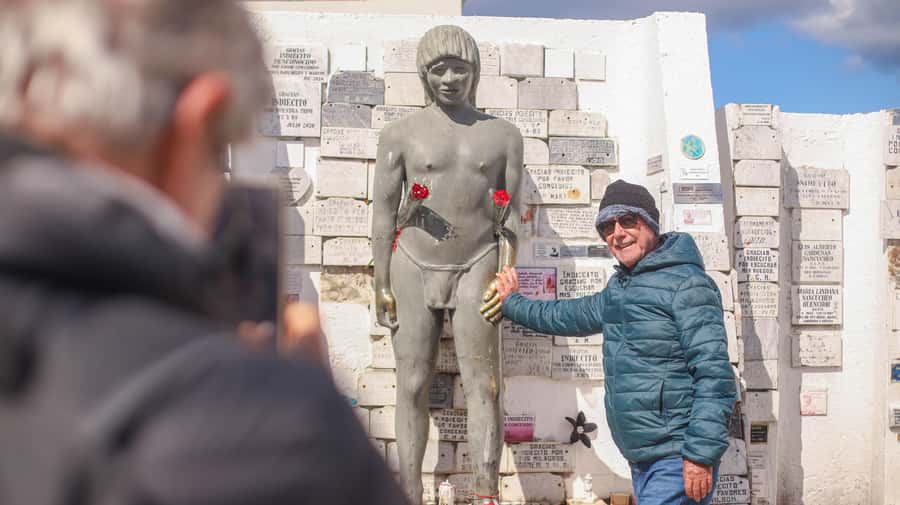
The tour continues to the Sara Braun Cemetery, often described as one of the 10 most beautiful cemeteries in the world. That reputation may sound grand, but the stop is worthwhile even if you are not normally drawn to cemeteries.
A cemetery can reveal a city’s social history in a quiet, direct way. Names, family plots, monuments, and the care given to the grounds show who helped shape Punta Arenas and how the city remembers its past. The setting also offers a calmer change of pace after the central streets and viewpoint.
You will also visit the Monumento al Ovejero, or Monument to the Shepherd. This pays tribute to the shepherding tradition tied to Patagonia. It is a useful reminder that the region’s story is not only about ships and wealthy homes. Rural work, livestock, and the people who moved through the southern countryside also belong in the picture.
This stop is especially helpful if your wider trip includes Patagonia but little time in Punta Arenas itself. You get a visual link between the city and the working culture beyond its streets.
The Salesian Museum and a second view of the region
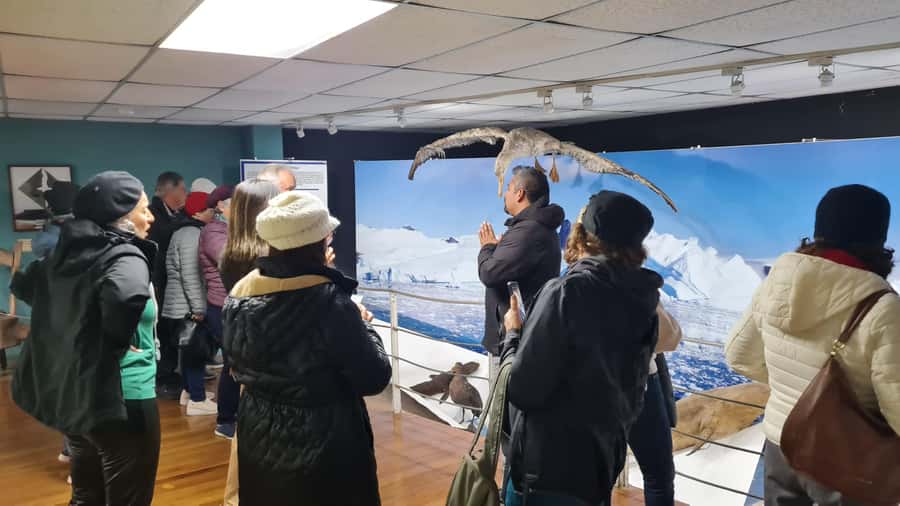
The Maggiorino Borgatello Salesian Museum provides another indoor stop. Unlike Palacio Braun Menéndez, which focuses on a grand residence and the city’s prosperous period, the Salesian Museum offers a broader look at the area’s cultural and natural background.
The tour description does not specify how long you spend inside or which galleries are open on your chosen day, so treat this as a planned visit rather than a guaranteed long museum session. Entry fees are not included.
I see the two museum stops as complementary. The palace helps you understand wealth, architecture, and the social world of Punta Arenas. The Salesian Museum adds a wider regional frame. Taken together, they help prevent the city tour from becoming only a drive past attractive buildings.
The guide’s role is useful here, especially if you want help deciding what deserves your attention. A bilingual tour in English or Spanish can also make the museum visits more approachable when labels or displays are not immediately clear to you.
Waterfront monuments beside the strait
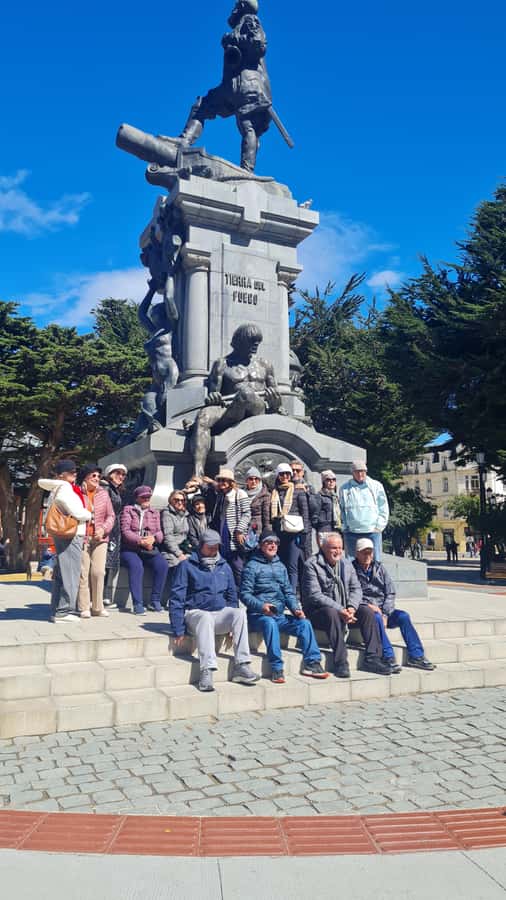
The final section takes you to the waterfront, where you can see the Strait of Magellan at close range. The tour includes monuments honoring the 500th anniversary of Magellan’s discovery, as well as references to the Ancud schooner and Pilot Pardo.
This is a fitting finish. The historic center shows you the city built around the strait, while the waterfront puts the water itself in front of you. You can pause for photographs and consider how much of Punta Arenas’ identity comes from being tied to this difficult but important passage.
The monuments offer more than photo stops if you know what to look for. They connect exploration, navigation, national history, and the local maritime tradition. Your guide can provide the context that a quick visit alone might miss.
Keep your expectations realistic. This is a city tour, not a boat trip, and you do not travel onto the strait. The experience is about views, monuments, and the city’s relationship with the water.
What the three-hour format means for you
Three hours is long enough to cover Punta Arenas’ main sights without giving up an entire day. That makes the tour a practical choice if you are passing through the city, arriving by ship, or using Punta Arenas as a base for a longer Patagonia trip.
The tradeoff is pace. You visit several places in a short period: the main square, historic streets, cathedral, Palacio Braun Menéndez, Cerro de la Cruz, Sara Braun Cemetery, the Shepherd Monument, the Salesian Museum, and the waterfront. Some stops may feel brief, particularly if you enjoy museums or photography.
The schedule can also change because of weather, the time of day, or the day of the tour. That flexibility matters in Punta Arenas, where wind and conditions can affect outdoor stops. I would not book a tight connection immediately after the tour unless the operator has confirmed the timing directly.
One useful feature is the small refreshment package: 200 milliliters of juice or 500 milliliters of water, plus fruit, dried fruit, and a protein bar. It is not a meal, but it can keep you comfortable during a compact morning or afternoon outing.
One past situation also points to a practical strength. A guide and group waited when a delay with tenderboats made some participants late, and the guide helped with basics such as coffee and bathroom stops. You should not treat that as a guaranteed policy, but it suggests that communication with the guide can matter if your arrival depends on a ship transfer.
Price, value, and extra costs
At $60 per person, the tour’s value rests mainly in its transport, guide, and efficient route. You are not paying for a full-day excursion or a remote wilderness activity. You are paying for a structured introduction to Punta Arenas, with hotel pickup in the urban area and several widely separated sights covered in three hours.
For a first visit, that can be worthwhile. Cerro de la Cruz, the cemetery, the waterfront, and the two museums are easier to combine with transport than on foot. A bilingual guide also gives you background while you move between stops.
The price does not include museum admission. That is the main extra expense to remember. Since the exact fees are not provided, check the current costs when booking or before departure.
The tour is less compelling if you want to spend an hour studying palace rooms, take extensive photographs, or linger at the waterfront. In that case, use the tour as an orientation, then return independently to the places that interest you most.
Who will get the most from this tour
I would choose this experience if you have limited time in Punta Arenas and want the city’s main historic, cultural, and scenic points in one outing. It also suits you if you prefer having a guide explain the connections between buildings, monuments, museums, and the strait.
It is a good fit for first-time visitors, cruise passengers with a suitable time window, and anyone who does not want to arrange separate transport around town. The included snacks are a small but useful touch.
You may prefer a slower independent visit if museums are your priority. The same is true if you want a long walk through the historic center or a flexible photography day. The three-hour schedule is efficient, but efficiency means less time at each individual stop.
Wear warm clothing and a windbreaker, even if the weather looks mild when you leave your hotel. Add sunscreen, and avoid bringing alcohol or drugs. Littering is not allowed, which is especially important at the cemetery, viewpoint, and waterfront.
Should you book Punta Arenas City Tour?
Book it if you want a well-organized first look at Punta Arenas rather than a day spent at one attraction. The combination of history, museums, the cemetery, Cerro de la Cruz, and the Strait of Magellan gives you a balanced introduction, and hotel pickup removes much of the practical fuss.
I would be more cautious if you need a guaranteed fixed route or have only a narrow departure window after the tour. Weather and timing can change the itinerary, museum fees cost extra, and three hours will not allow long visits at every stop.
The 4.6 rating from 18 reviews fits the experience described here: the strongest points are the guides, especially Jose Jara, clear explanations, helpful attention to practical needs, and dependable transport. If those are the things you value, $60 is a reasonable price for getting oriented quickly.
FAQ
How long does the Punta Arenas City Tour last?
The tour lasts three hours. Starting times depend on availability.
What languages does the guide speak?
The live guide service is offered in English and Spanish.
Is hotel pickup included?
Yes. Pickup is included from lodging in the urban area of Punta Arenas.
What places are visited?
The route includes Plaza de Armas, the historic center and cathedral, the Regional Museum of Magallanes at Palacio Braun Menéndez, Cerro de la Cruz, the Strait of Magellan waterfront, Sara Braun Cemetery, the Monumento al Ovejero, and the Maggiorino Borgatello Salesian Museum.
Are museum entrance fees included?
No. Entrance fees to the museums are not included in the tour price.
What refreshments are provided?
You receive a choice of 200 milliliters of juice or 500 milliliters of water, plus fruit, a protein bar, and dried fruit.
What should you bring?
Bring warm clothing, a windbreaker, and sunscreen. Alcohol and drugs are not allowed, and littering is prohibited.
Just added around Punta Arenas
- Punta Arenas: Magallanes National Reserve and City Tour★ 5.0 · 3 reviews
- Punta Arenas: Austral Dolphin & Wildlife Watching Boat Tour★ 5.0 · 4 reviews
- Punta Arenas: Fuerte Bulnes Shore Tour for Cruisers★ 4.6 · 6 reviews
- Punta Arenas: Torres del Paine & Grey Glacier Full-Day Boat★ 4.8 · 6 reviews
- Horseback Riding near Strait of Magellan★ 4.5 · 8 reviews
- Magdalena Island: Walk with the penguins★ 4.6 · 17 reviews
- From Punta Arenas: Full Day Torres del Paine★ 3.8 · 23 reviews
- Private Patagonian Forest Hike in Punta Arenas: 4 Hour★ 4.5 · 28 reviews
Punta Arenas Tours, compared.

Walk with Penguins on Magdalena & Marta Island
Read our review →
Punta Arenas: Full-Day Whales, Penguins, and Glaciers Tour
Read our review →



Walk alongside Penguins on Magdalene Island and navigate Marta Island
Read our review →
Magdalena Island Penguin Tour by Boat from Punta Arenas
Read our review →
Private Torres del Paine & Milodon, departing from Punta Arenas
Read our review →Browse the lists this tour appears in