
Reviewed · SAN PEDRO DE ATACAMA TOURS
Moon Valley Tour from San Pedro de Atacama
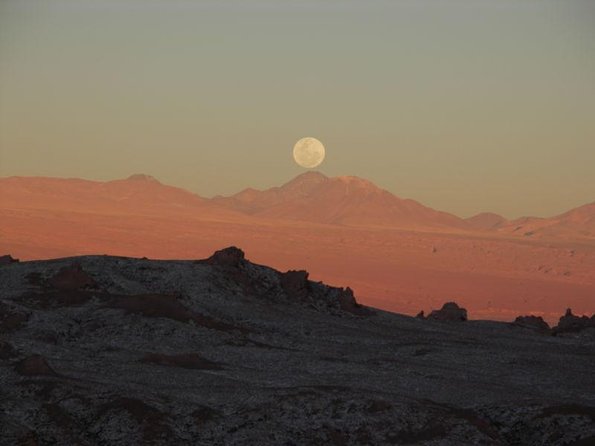
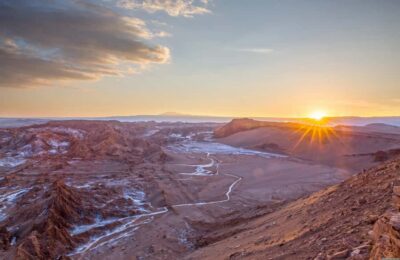
The best part of this half-day outing is the sudden change from ordinary desert to Moon Valley’s strange salt and stone formations. Canyons, caves, dunes, and sharp ridges make the Atacama feel more like another planet than a place on Earth. Sunset from Coyote Stone adds a warm final glow.
I like the easy hotel pickup and the air-conditioned van, especially after a hot afternoon in San Pedro. I also like the range of stops: you get broad views from the Cordillera de la Sal, a short walk through salt formations, and time near the dunes. The main caution is the guiding. Some guides, including Damian and Edgar, have been praised for clear explanations, while other departures have suffered from weak English, little information, or poor time control.
Key points to know
- Sunset is the main event: The fading light brings out subtle colors in the salt ridges and desert folds.
- You visit several sites: Expect the Salt Mountain Range, Licanantay viewpoint, salt caves, Las Tres Marias, the amphitheater, a large dune, and Coyote Stone.
- The entrance fee costs extra: Bring cash for the CLP10,800 Valle de la Luna admission.
- Walking is moderate but sandy: The dune climb takes average fitness, but heat, wind, and loose sand make proper shoes useful.
- Group size matters: The stated maximum is 15 people, though older departures were reported as much larger.
- Pack for two temperatures: Use sun protection during the hot first stops, then add a jacket or windbreaker after sunset.
Why Moon Valley feels unlike a normal desert stop
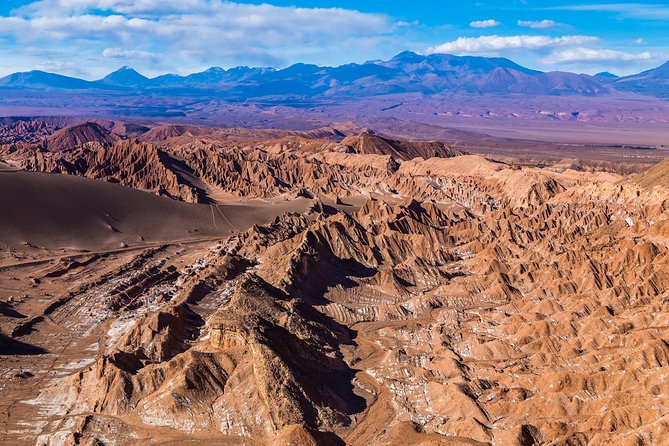
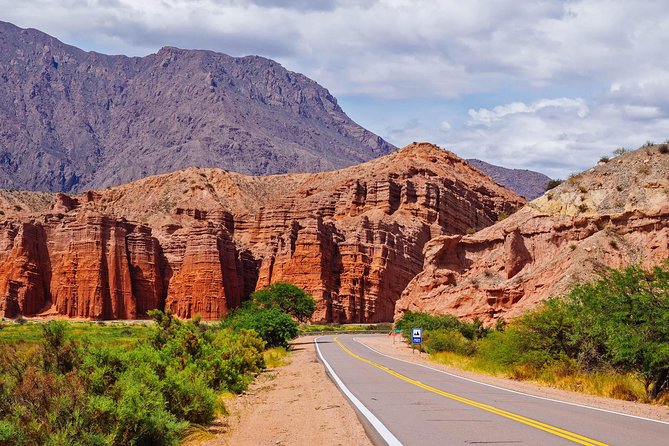
San Pedro de Atacama sits beside some of northern Chile’s most unusual terrain, and Valle de la Luna earns its name honestly. The ground is made up of salt, sand, and folded mineral deposits shaped over a very long period by wind and water. The result is a dry world of ridges, hollows, caves, and sculpted stone.
You will not find green scenery or abundant wildlife here. The appeal is the lack of it. The silence, bare slopes, and twisted formations create a stark setting that can recall the Moon or Mars. The Cordillera de la Sal, or Salt Mountain Range, gives the visit its structure, with the Moon and Death valleys cut into this mineral terrain.
The experience is strongest when you pause rather than rush from one photo stop to the next. Look closely at the layered ridges and the way the sun reaches different parts of the valley at different times. That is where the tour earns its keep.
More Moon Valley sunsets:
- San Pedro de Atacama: Valle de la Luna Guided Tour
★ 4.4 · 312 reviews - Valle de la Luna (Moon Valley) from San Pedro de Atacama
★ 4.5 · 145 reviews - San Pedro de Atacama: Shared Moon Valley Tour
★ 4.7 · 135 reviews
The 3:30 pm departure from San Pedro
The tour generally begins with pickup between 3:00 and 3:40 pm in summer, or 2:30 and 3:10 pm in winter. The listed start time is 3:30 pm, but local pickup times vary, so you need to provide the correct hotel details and reconfirm at least one day ahead.
Pickup is included only for hotels near the town. Drop-off is at the city center, not necessarily back at your exact hotel. That is a small point, but it matters if you have dinner plans, a late bus, or luggage waiting elsewhere.
The drive to the protected Valle de la Luna area is about 8 miles, or 13 kilometers. You ride in an air-conditioned minivan or bus, which gives you a welcome break from the heat and dust. The stated group limit is 15 people, a sensible size for a walking tour. Still, older departures had much larger groups, including one reported bus of nearly 50 people, so I would confirm the expected vehicle and group size before booking if personal attention matters to you.
First views from the Cordillera de la Sal
The first major stop is in the Salt Mountain Range, where the valleys of Moon and Death unfold in pale ridges and sculpted mineral forms. This section usually takes about an hour and provides the broadest first look at the area.
The terrain here is not one single dramatic crater. It is a collection of folds, gullies, sand slopes, and sharp formations. Wind and water have worked on the mineral deposits, leaving shapes that change character as the light shifts. Your guide should explain how the range formed and point out the features that are easy to miss from a distance.
This is also where the tour can feel uneven. Some departures have had guides who explained the geology and kept the group engaged. Others have spent too much time on personal stories or offered only brief comments in English. If your guide is Damian Berrios or Edgar, the experience may include stronger explanations, since both have been praised for describing the formations and helping with photographs. Guides vary, however, and names are not guaranteed.
Bring water and sunblock for this stop. The Atacama sun can feel fierce even late in the day, and the wind may pick up on exposed ridges. A hat and sunglasses are useful, but hold onto them carefully in gusts.
The Licanantay viewpoint and the Salt Mountain Range from above
The next stop is the Licanantay viewpoint, where you can see the salt ridges from a higher position. After walking among the formations, this wider angle helps you understand how large and folded the area really is.
I find this kind of viewpoint valuable because the close-up shapes can seem disconnected. From above, the colors, ridges, and low valleys form a clearer pattern. It is a good place for photographs, but it is also a useful pause before the more active section inside Moon Valley.
The timing can be tight. One past account described only a few minutes at a valley viewpoint after a long explanation in Spanish, leaving little time for English-speaking participants to look around. A good guide will tell you how long you have and where to meet. If the group is not managed well, people can become scattered, and the short stops feel even shorter.
A few more San Pedro de Atacama half-days to weigh up
- San Pedro de Atacama: El Tatio Geysers Tour
★ 4.7 · 943 reviews - San Pedro de Atacama: Etno-Stargazing Tour with Transfer
★ 4.8 · 629 reviews - Piedras Rojas, Altiplanics Lagoons & Salar Full-Day Tour
★ 4.7 · 592 reviews - San Pedro de Atacama: Stargazing Experience
★ 4.7 · 489 reviews
Salt caves, Las Tres Marias, and the amphitheater
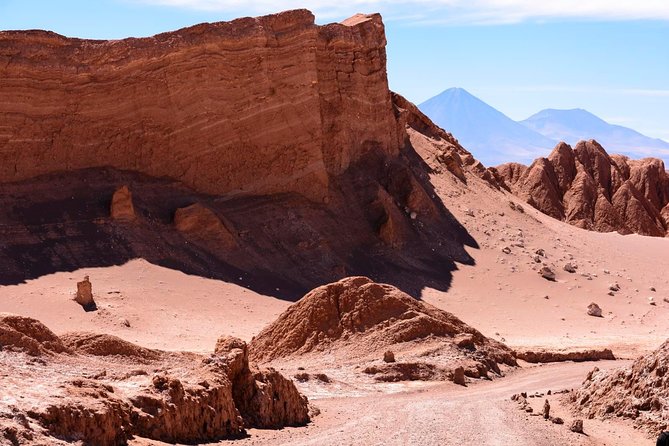
Inside Valle de la Luna, the tour visits several recognizable formations. The salt caves offer a close look at the brittle, mineral-rich ground. This is not a long underground expedition, but it gives you a different view of the valley than the open viewpoints.
You then see Las Tres Marias, or the Three Marys, a group of salt statues shaped by erosion. The amphitheater follows, with curved walls and layered surfaces that show how wind and water have cut into the terrain. These stops are primarily scenic, but they make more sense when your guide connects them to the area’s physical history.
The onsite museum and exhibition add useful context. You can learn about the geology and ecology of this unusual place before or during the visit, rather than simply collecting photographs. I would pay attention here if your guide’s explanations are brief. The exhibition can fill in some of the background about the Salt Mountain Range and the forces that shaped it.
One practical issue is pace. Some groups spend too much time at Las Tres Marias and too little time walking near the main dune. If you enjoy seeing terrain from several angles, that balance may disappoint you. The tour gives you variety, but not the freedom to set your own schedule.
The sand dune walk and Coyote Stone sunset
The final section is the reason most people choose the afternoon departure. You walk toward a large sand dune in the central part of Moon Valley, then wait for sunset near Coyote Stone.
The dune climb requires average physical fitness. It is not described as a technical hike, but loose sand makes walking harder than a firm trail. One account called the climb fairly steep, and another noted that the uphill sections were not easy with children. Wear trekking shoes or sturdy walking shoes, and expect sand in your socks.
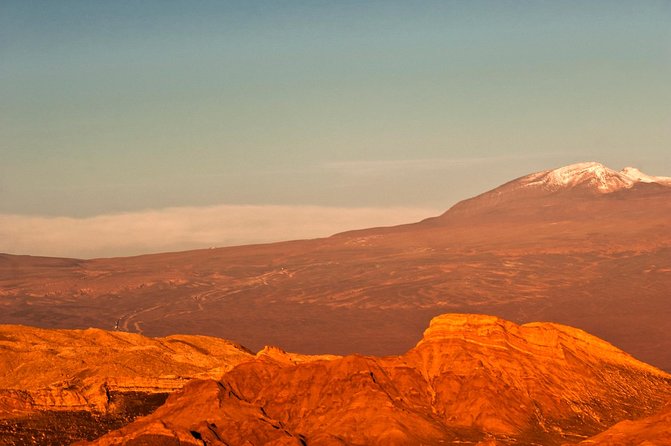
The sunset itself is more about changing light than guaranteed fireworks. The salt ridges may turn gold, orange, pink, or muted brown, depending on clouds, haze, and the season. Several departures have produced a beautiful final view, while others found the color change less dramatic than expected.
You may also share the viewpoint with many other people. A past departure reached the viewing area only minutes before the sun touched the horizon, and the point was crowded. The tour’s timing is therefore important. You want enough time to find a good place, settle down, and watch the valley darken, not simply arrive for the last instant.
A cocktail break or small sunset spread has been offered on some departures, but it is not part of the listed inclusions. Do not count on food. Bring water, and consider a snack if you have not eaten since lunch.
Guides, language, and the value of the explanation
A guide can make this outing much better. The scenery is striking on its own, but the geology gives it meaning. You want someone who can explain the folding of the Salt Mountain Range, the role of wind and water, and why the formations look so different from ordinary desert hills.
The guiding record is mixed. Damian Berrios and Edgar received strong praise for their clear explanations and kind help with photographs. Francisca was also described as attentive and good at explaining the area. Maria Eliza, or possibly Luiza, was praised for being caring, though keeping the group together was difficult.
Other departures had serious communication problems. English explanations were sometimes limited, with most of the tour conducted in Spanish. One guide was described as polite but unable to explain the geology clearly in English. Another group spent too long waiting or listening to an unrelated story, then had only a few minutes at one stop.
If you need a detailed English-language interpretation, ask the operator about the guide and language before paying. If the answer is vague, consider a smaller private tour. For many people, the views alone justify the outing, but the difference between an excellent guide and a weak one is substantial here.
Is the $51 price fair?
At about $51 per person, the tour is reasonably priced for a four to five-hour outing with hotel pickup, transport, and a professional guide. You are paying for convenience and a sunset schedule, not just entry to the park.
The price does not include the Valle de la Luna entrance fee, listed as CLP10,800 per person. Bring cash, since the instructions specifically ask you to pay the fee directly. The extra cost is easy to overlook when comparing tours.
The value depends on what you want. If you have limited time in San Pedro, the minivan takes care of transport and combines several sites in one afternoon. You do not need to arrange a vehicle or work out the park route yourself.
If you prefer long walks, quiet viewpoints, or your own photography pace, this standard group tour may feel rushed. Several past departures involved long waits, crowded buses, or too little time at individual stops. The advertised maximum of 15 is more appealing than a large coach, so confirm that detail if possible.
What to wear and bring
The desert changes quickly after dark. Start with light clothing for the hot afternoon, then carry a windbreaker or jacket, gloves, and warmer layers for sunset.
You should bring:
- Water
- Sunblock
- Sunglasses
- A hat
- Trekking shoes or sturdy walking shoes
- Comfortable trousers or trekking pants
- Socks that can handle sand
- Cash for the CLP10,800 entrance fee
The advice to carry gloves may seem excessive in the afternoon, but the wind and falling temperature can make the final viewpoint chilly. Comfortable clothing matters more than fashionable clothing here.
The tour requires moderate physical fitness. You will walk on sand and climb a dune, with some uphill sections. If you have limited mobility or are bringing a child who tires easily, ask about the walking distance and slope before booking.
Who should book this half-day outing?
I would choose this tour if you want an efficient first look at Moon Valley and do not have a rental car. It works well for couples, solo visitors, and families who can manage sandy walking and a late return to San Pedro.
It is also a good fit if sunset photography matters more than a long geological walk. The final light on the Salt Mountain Range is the most memorable part of the schedule, and the route includes enough viewpoints to give you a strong sense of the area.
I would hesitate if you dislike group schedules or need extensive English commentary. The best departures have had warm, well-informed guides, but the weaker ones have felt rushed and poorly explained. A private or smaller-group option may offer better value for you, even at a higher price.
Free cancellation is available up to 24 hours before the start time. Changes made within 24 hours are not accepted, and poor weather can lead to a new date or a full refund.
Should you book the Moon Valley Tour?
Book it if you want a convenient sunset introduction to one of the Atacama’s most unusual places. The caves, salt statues, wide viewpoints, and Coyote Stone give you plenty to see in four to five hours, and the $51 base price is fair once you understand that park admission is extra.
Before booking, confirm hotel pickup, language, and group size. Bring cash, water, sun protection, sturdy shoes, and a warm layer. If you want deep geological commentary or plenty of time at each formation, choose a smaller tour. If you mainly want dramatic scenery without arranging transport yourself, this is a practical choice.
FAQ
How long does the Moon Valley tour last?
The tour lasts approximately four to five hours, including transport from San Pedro de Atacama and the return to the city center.
What time does the tour begin?
The listed start time is 3:30 pm. Pickup generally runs from 3:00 to 3:40 pm in summer and from 2:30 to 3:10 pm in winter.
Is hotel pickup included?
Hotel pickup is included for hotels near San Pedro de Atacama. You must provide the correct hotel information and reconfirm the pickup details at least one day before departure.
Is the entrance fee included in the price?
No. The Valle de la Luna entrance fee is CLP10,800 per person and should be paid in cash.
How difficult is the walking?
You need moderate physical fitness. The route includes walking on sand and climbing a sand dune, with some uphill sections.
What should I bring?
Bring water, sunblock, sunglasses, comfortable walking clothes, trekking shoes, a windbreaker or jacket, and gloves. You should also carry cash for the entrance fee.
What happens if bad weather cancels the tour?
If poor weather causes cancellation, you will be offered another date or a full refund. You can cancel for a full refund if you do so at least 24 hours before the start time.
Just added around San Pedro de Atacama
- From San Pedro de Atacama: Small group to Moon Valley★ 5.0 · 3 reviews
- San Pedro de Atacama: Cejar Lagoon, Tebenquiche & Ojos Salar★ 3.9 · 3 reviews
- San Pedro de Atacama: Canyon Swimming Pools Trekking Trip★ 5.0 · 3 reviews
- San Pedro de Atacama: Rainbow Valley & Good Herbs Tour★ 4.3 · 3 reviews
- Full Desert. The most complete program you will find★ 3.2 · 3 reviews
- From San Pedro de Atacama: The Salt Flats Route, Full Day★ 3.7 · 3 reviews
- San Pedro de Atacama: Valle de la luna★ 3.0 · 3 reviews
- Valle de la Luna: A Moon-Like Escape in Atacama★ 5.0 · 3 reviews
San Pedro de Atacama Tours, compared.
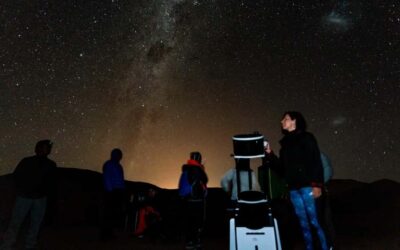
San Pedro de Atacama: Etno-Stargazing Tour with Transfer
Read our review →
Piedras Rojas, Altiplanics Lagoons & Salar Full-Day Tour
Read our review →
San Pedro de Atacama: 3-Day Activity Combo with 4 Tours
Read our review →
Triple tour: Red stones, highland lagoons and Chaxa Lagoon
Read our review →Browse the lists this tour appears in