
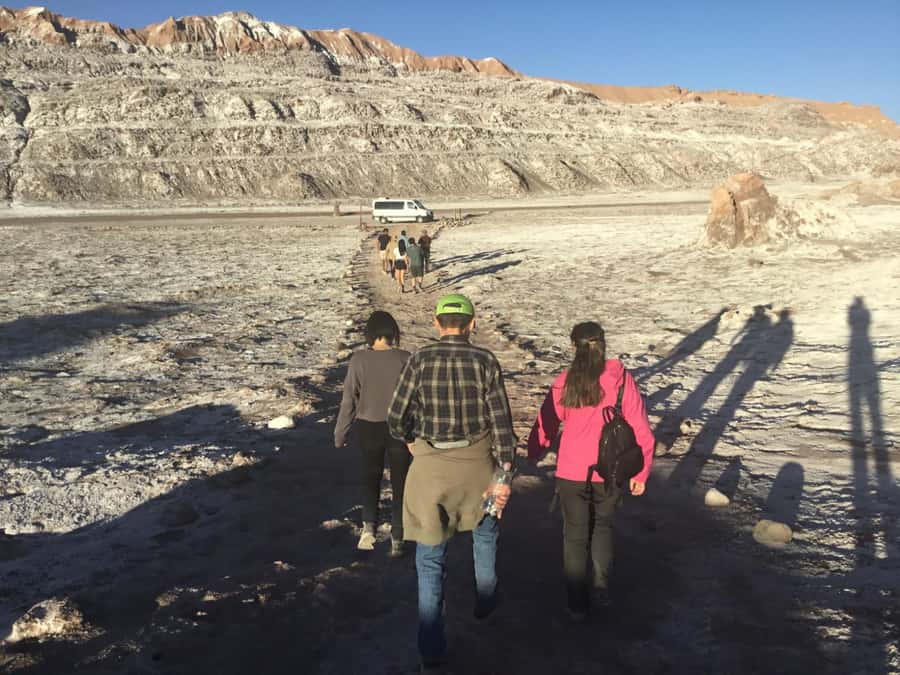
Reviewed · SAN PEDRO DE ATACAMA TOURS
San Pedro de Atacama: Shared Moon Valley Tour
Moon Valley earns its name honestly. You move through wind-carved ridges, pale rock, salt-streaked ground, and enormous dunes that look more lunar than earthly. The sunset at Mirador de Ckari is the grand finish, with the Piedra del Coyote viewpoint opening across the desert.
I like the tour’s mix of short walks and several scenic stops. I also like that guides such as Sheryl, Cris, Ernie, and Nicolas have been praised for clear explanations and friendly group leadership. The main drawback is simple: there is a lot of sand and walking, and one person found the overall experience slow. You also pay the national reserve entrance fee separately.
Key points to know before you go
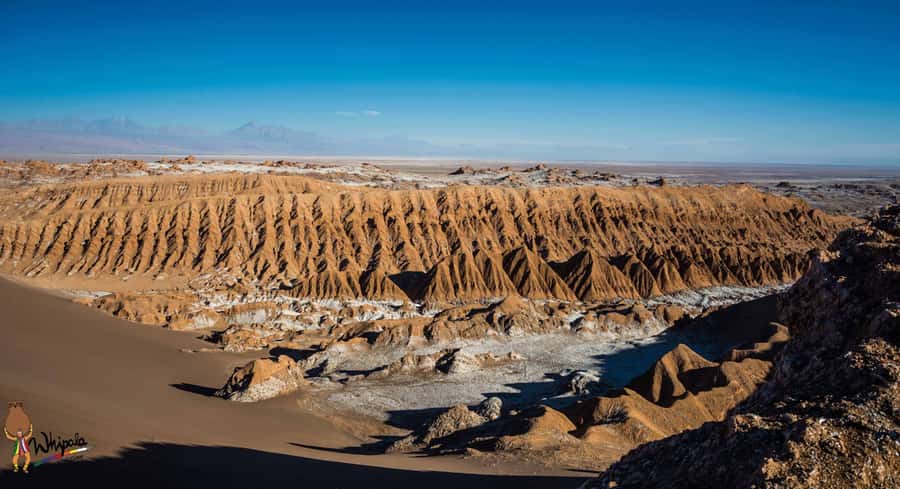
- Duna Mayor gives you the tour’s best early walk, with a large sand body and wide desert views.
- The Amphitheater and Tres Marias show different sides of the geology, from broad rock walls to distinct stone pillars.
- Sunset at Mirador de Ckari lasts about 70 minutes, giving you time to watch the colors change rather than rush through a photo stop.
- The four-hour schedule uses a shared vehicle, with several transfers between short walks and viewpoints.
- The reserve ticket costs 10,800 Chilean pesos per person, and you must purchase it before the outing.
- This is best for active visitors aged 8 to 70 who can handle uneven ground, sun, wind, and repeated walks.
Why Moon Valley feels unlike an ordinary desert stop
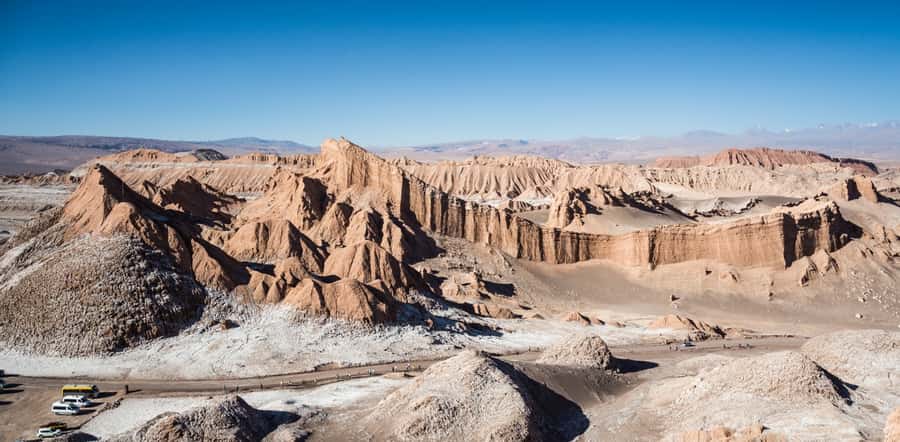
Moon Valley, or Valle de la Luna, is a protected desert area near San Pedro de Atacama. It was declared a Nature Sanctuary in 1982 and is part of the Flamingos National Reserve. The area is valued not only for its beauty but also for the way erosion, salt, minerals, and mountain-building have shaped the ground over very long periods.
You do not come here for one single monument. The appeal is the changing form of the terrain. One section is dominated by sand. Another opens into a broad rock formation. Elsewhere, narrow pillars and sculpted ridges catch the light from a new angle.
The tour is built around that variety. Instead of leaving you at one viewpoint, it links several short visits before settling into the longer sunset stop. That makes the outing a useful introduction to the area, especially if you have only one afternoon in San Pedro.
More Moon Valley sunsets:
- San Pedro de Atacama: Valle de la Luna Guided Tour
★ 4.4 · 312 reviews - Valle de la Luna (Moon Valley) from San Pedro de Atacama
★ 4.5 · 145 reviews - Small-Group Tour to Moon Valley from San Pedro de Atacama
★ 4.5 · 91 reviews
Meeting at Tocopilla 418
The tour begins at the Whipala Expedition agency at Tocopilla 418 in central San Pedro de Atacama. Presentation time is 15:50 during the summer schedule and 14:50 during the winter schedule. Check the seasonal time carefully, since arriving late could mean missing the shared departure.
The first drive takes about 15 minutes. You then make a brief stop for a safety briefing, listed at roughly 10 minutes, before continuing by vehicle. The early part of the tour is not a long commentary session or a single continuous hike. It is a series of short drives and walks, so you should be ready to get in and out of the vehicle several times.
That format works well in a hot, exposed desert. You spend enough time outside to see the formations, but you are not asked to walk for four hours without a break. It also means the day can feel a little stop-and-start if you prefer a single long trail.
Duna Mayor: a strong first look at the desert
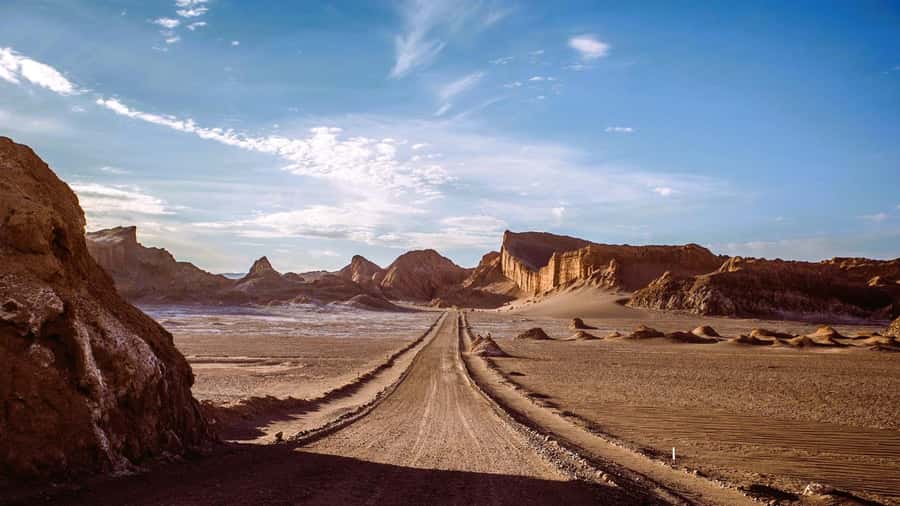
Duna Mayor is one of the main reasons to choose this outing. The stop includes about 40 minutes for a guided visit, photographs, and hiking. The dune is a huge body of sand, and the route gives you scenic views as you walk.
I would treat this as a proper short hike, not just a roadside photo stop. Wear shoes with a firm sole and expect loose sand underfoot. The bright sun can make the walk feel harder than its timing suggests, especially if you have not yet adjusted to the dry conditions around San Pedro.
The value of Duna Mayor is scale. A photograph may show the curve of the dune, but walking near it gives you a better sense of how large the formation is. The clean lines of the sand contrast with the rough rock and salt formations you see later.
Your guide may also use this part of the tour to explain how the area formed. The most praised part of the guiding is the effort to connect visible shapes with geology, minerals, the Andes, and the area’s long development. If you enjoy understanding what you are looking at, rather than simply photographing it, this is an important part of the visit.
The Amphitheater and the shape of erosion
After another short drive, the tour reaches an area identified as the Amphitheater. The exact visit is listed as about 15 minutes and includes a guided explanation and photographs.
The name points to the broad, curved rock form. Here, the pleasure comes from looking at the scale and shape of the rock walls. You get a quick stop, so use the time well: listen to the guide first, then take photographs from the suggested viewing area.
This is also where the tour’s geological focus becomes clearer. Moon Valley is not simply a field of sand. Its forms show how wind and other natural forces have cut, polished, and reshaped the material over time. The guide’s explanation adds meaning to what might otherwise look like a set of attractive but unrelated rocks.
The short duration is both useful and limiting. It keeps the afternoon moving and leaves more time for sunset, but it does not allow for a long walk around the Amphitheater. If you want extended time at every formation, a private or longer-format outing may suit you better.
A few more San Pedro de Atacama half-days to weigh up
- San Pedro de Atacama: El Tatio Geysers Tour
★ 4.7 · 943 reviews - San Pedro de Atacama: Etno-Stargazing Tour with Transfer
★ 4.8 · 629 reviews - Piedras Rojas, Altiplanics Lagoons & Salar Full-Day Tour
★ 4.7 · 592 reviews - San Pedro de Atacama: Stargazing Experience
★ 4.7 · 489 reviews
Tres Marias, the famous stone figures
The next Moon Valley stop lasts about 20 minutes and includes a guided walk, hiking, and photographs. This is the area of the Tres Marias Formation, traditionally associated with the earlier name Los Tres Vigilantes.
The three upright forms are among the most recognizable sights in the reserve. Their shapes are easy to appreciate from a distance, where they appear against the open desert and surrounding ridges. The stop is short, so it works best as a focused look at the formation rather than an extended exploration.
Your guide can help explain how the figures received their current name and how erosion shaped them. Names such as Tres Marias make the scene easier to remember, but the geological story is what gives the stop lasting interest.
Stay close to the route and follow the guide’s instructions. The tour involves several uneven desert surfaces, and the reserve is managed by Indigenous Communities. Operating hours or access can change if bad weather or an emergency affects the area.
A final short visit before sunset
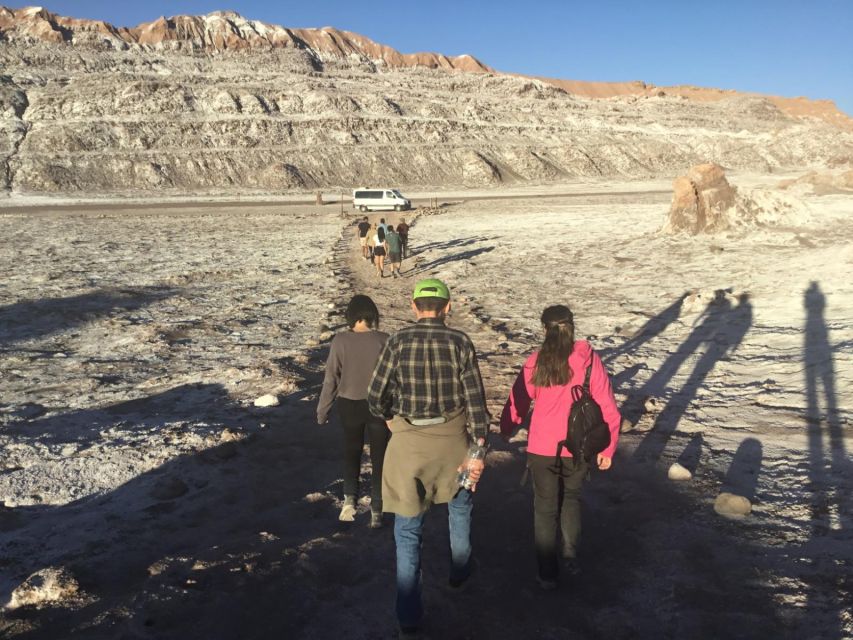
Another transfer, listed at about 10 minutes, leads to a further Moon Valley stop with roughly 10 minutes for walking, photographs, and a guided explanation. This is the briefest visit of the afternoon.
It may feel less important than Duna Mayor or the sunset viewpoint, but these small pauses help you see how quickly the scenery changes. A ridge, mineral surface, or narrow formation can look entirely different when the sun is lower.
Do not expect every stop to feel equally dramatic. The tour’s strength is the full sequence. One location gives you sand, another gives you broad rock, another gives you stone pillars, and the final stop gives you distance and color.
Sunset at Mirador de Ckari and Piedra del Coyote
The final visit takes about 70 minutes and is the emotional center of the tour. At Mirador de Ckari, also associated with Piedra del Coyote, you get time for hiking, scenic views, and sunset.
This is where I would save some energy. The earlier walks are manageable, but the last stop lasts longer and is the one you will most want to enjoy without hurrying. Bring water, keep sunscreen handy, and carry an extra layer for changing conditions.
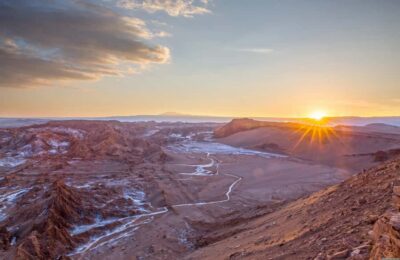
Sunset changes Moon Valley from a stark collection of pale surfaces into something warmer and more dramatic. Shadows stretch across the ridges, the dune takes on new tones, and the Piedra del Coyote viewpoint gives you a broad view over Quebrada Honda and the surrounding desert.
The timing of sunset varies with the season, which helps explain the different presentation times. One person felt the tour could have started later, so timing may not feel perfect for everyone. Still, the final 70-minute block provides more room than a quick stop at a lookout. You can walk, find a good viewing position, and watch the light change.
After sunset, the group returns to the vehicle for a drive of about 20 minutes back to Tocopilla 418. The listed total duration is four hours.
What the guides add to the outing
The guides are a major part of the experience. The tour is offered in English and Spanish, and several guide names appear in the feedback connected with the activity.
Sheryl is described as energetic and well informed. Ernie is praised for making the visit enjoyable, while Cris is paired with Ariel, the driver, in a particularly positive account of the explanations and organization. Nicolas is noted for bringing the group together and helping people feel connected during the outing.
Those details matter on a shared tour. You are not choosing a private guide, so the tone of the group can affect the afternoon. A guide who explains clearly, keeps people together, and pays attention to the pace can make the repeated transfers feel smooth and purposeful.
The strongest guiding comments focus on geology. You can expect discussion of minerals, the formation of the Andes, and the forces that shaped the desert. The quality may vary by departure, since a specific guide is not guaranteed, but the tour is designed as a guided visit rather than simple transport to viewpoints.
The shared vehicle and group rhythm
The total price is $32 per person, which is a fair starting price for a four-hour shared outing with transport, a guide, several reserve stops, and a sunset visit. The reserve entrance is not included, however. You must purchase the National Reserve ticket separately for 10,800 Chilean pesos per person at valledelaluna.com before the tour.
That extra fee is important when comparing the real cost. It is not a surprise charge to leave until arrival, since the instructions say the ticket must be bought before the outing. If you have trouble purchasing it, the provider gives a contact number, +56 9 6650 1961, for help.
The provider requires at least six people to operate the service. If that number is not reached, the group may join another partner agency. This keeps the tour viable, but it also means the exact vehicle and guide arrangement can change.
The shared format is best if you want a practical way to see the key places without arranging your own transport. It is less ideal if you need complete control over every stop, want to linger at one formation, or dislike moving on when the schedule says so.
What to bring for four exposed hours
Bring hiking shoes, water, sunscreen, and clothing suited to the weather. These are not optional extras in a dry, open area with little shelter. The walking is not described as technical, but uneven ground and sand make proper footwear worthwhile.
Pack lightly, since you will be moving between the vehicle and several walking areas. A small bag with water, sun protection, and a warm layer is more useful than carrying a large load.
Drones are not allowed. Alcohol and drugs are forbidden, and alcoholic drinks cannot be taken into the vehicle. Follow the reserve rules as well as the provider’s instructions.
The activity is not suitable for children under eight, pregnant women, people with mobility impairments, or people over 70. That does not mean every person in those groups has the same ability, but it does signal that the operator considers the walking, terrain, exposure, or transport unsuitable.
Who will get the most from this tour
I would recommend this outing to you if you want a half-day introduction to Moon Valley with the major sights included. It suits people who enjoy short hikes, wide desert views, basic geology, and sunset photography.
It is also a good choice if you are staying in San Pedro and do not want to arrange a car or private driver. The central meeting point makes the departure straightforward, and the return is to the town center.
You may want another option if you dislike sand, prefer a quiet single-site visit, or want a physically easier sightseeing trip. One person found the experience boring because it involved a lot of sand and walking. That criticism is fair for anyone expecting constant novelty or a mostly vehicle-based tour.
The best guides can make the difference. The names connected with the most positive feedback are Sheryl, Ernie, Cris, and Nicolas, but assignments are not guaranteed. What you can count on is a route built around explanations, photographs, walking, and sunset rather than a simple drive-by.
Should you book the Moon Valley tour?
Book it if you want the classic Moon Valley sights in one organized afternoon and you value a guide who can explain the geology as you go. Duna Mayor, the Amphitheater, Tres Marias, and Mirador de Ckari create a well-balanced route, with the sunset stop given enough time to feel worthwhile.
The $32 price is attractive, but remember to add the 10,800 Chilean peso reserve ticket. Bring water, sun protection, sturdy shoes, and patience for a shared schedule.
Skip it if you want long, peaceful walks at one site or if sand and repeated vehicle transfers sound tedious. For most active visitors who have four hours to spare in San Pedro, this is a sensible and scenic introduction to one of northern Chile’s most unusual places.
FAQ
How long does the Moon Valley tour last?
The tour lasts four hours, including transport between the stops and the return to San Pedro de Atacama.
Where does the tour begin and end?
It begins at the Whipala Expedition agency at Tocopilla 418 in central San Pedro de Atacama and returns to the town center.
What are the departure times?
Presentation time is 15:50 during the summer schedule and 14:50 during the winter schedule.
Is the National Reserve entrance ticket included?
No. The National Reserve ticket costs 10,800 Chilean pesos per person and must be purchased before the tour at valledelaluna.com.
Which sights are included?
The tour includes Duna Mayor, the Amphitheater, the Tres Marias Formation, and Mirador de Ckari, also known as the Piedra del Coyote viewpoint.
Is the tour available in English?
Yes. Live guiding is available in English and Spanish, and some content may be presented in its original language.
What should I bring?
Bring hiking shoes, sunscreen, water, and clothing suitable for the weather.
Can I cancel the booking?
You can cancel up to 24 hours in advance for a full refund. The activity also offers reserve now and pay later booking.
Just added around San Pedro de Atacama
- From San Pedro de Atacama: Small group to Moon Valley★ 5.0 · 3 reviews
- San Pedro de Atacama: Cejar Lagoon, Tebenquiche & Ojos Salar★ 3.9 · 3 reviews
- San Pedro de Atacama: Canyon Swimming Pools Trekking Trip★ 5.0 · 3 reviews
- San Pedro de Atacama: Rainbow Valley & Good Herbs Tour★ 4.3 · 3 reviews
- Full Desert. The most complete program you will find★ 3.2 · 3 reviews
- From San Pedro de Atacama: The Salt Flats Route, Full Day★ 3.7 · 3 reviews
- San Pedro de Atacama: Valle de la luna★ 3.0 · 3 reviews
- Valle de la Luna: A Moon-Like Escape in Atacama★ 5.0 · 3 reviews
San Pedro de Atacama Tours, compared.
San Pedro de Atacama: Etno-Stargazing Tour with Transfer
Read our review →
Piedras Rojas, Altiplanics Lagoons & Salar Full-Day Tour
Read our review →
San Pedro de Atacama: 3-Day Activity Combo with 4 Tours
Read our review →
Triple tour: Red stones, highland lagoons and Chaxa Lagoon
Read our review →Browse the lists this tour appears in