
Reviewed · SANTIAGO TOURS
Santiago: Highlights, Parks and Politics Bike Tour
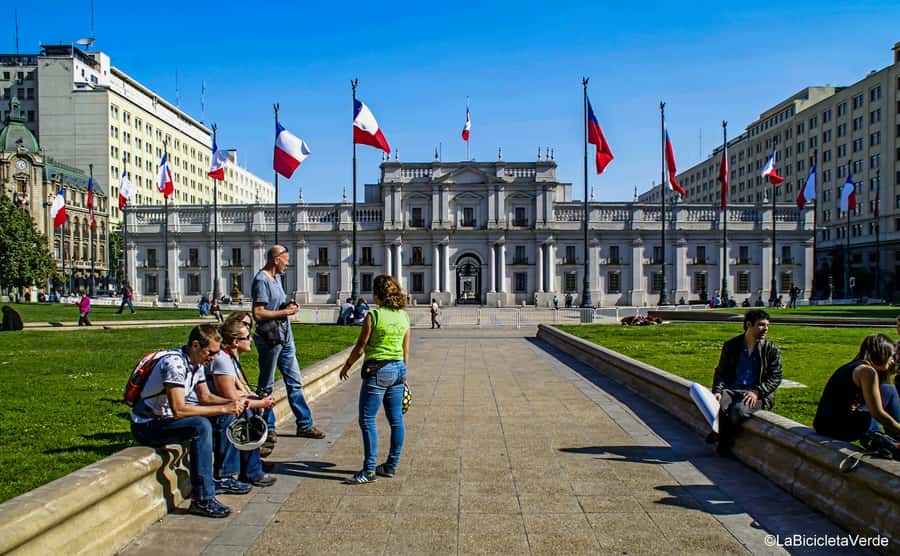
Santiago’s political story makes more sense when you see it from the saddle. This three-hour ride links leafy parks, downtown monuments, La Moneda, and the Gabriela Mistral Cultural Center, with a guide explaining how public space and politics shape daily life.
I especially like the flat route and easy cruiser bikes, which make this more of a city outing than a workout. I also like the mix of parks, bike lanes, politics, and local slang. The main thing to consider is that this is not suitable for wheelchair users, and you still need to feel comfortable riding in city streets.
Key points at a glance
- Chile’s political story is central: Learn about La Moneda, the events of October 2019, and how politics affects present-day society.
- The route is flat and relaxed: Beach cruiser bikes, bottled water, sunscreen, and a mandatory helmet keep the ride approachable.
- Parks give the tour breathing room: Forestal and Bustamante Parks provide shade, trees, and a break from downtown traffic.
- GAM adds culture and architecture: The Gabriela Mistral Cultural Center brings Chilean history and public art into the route.
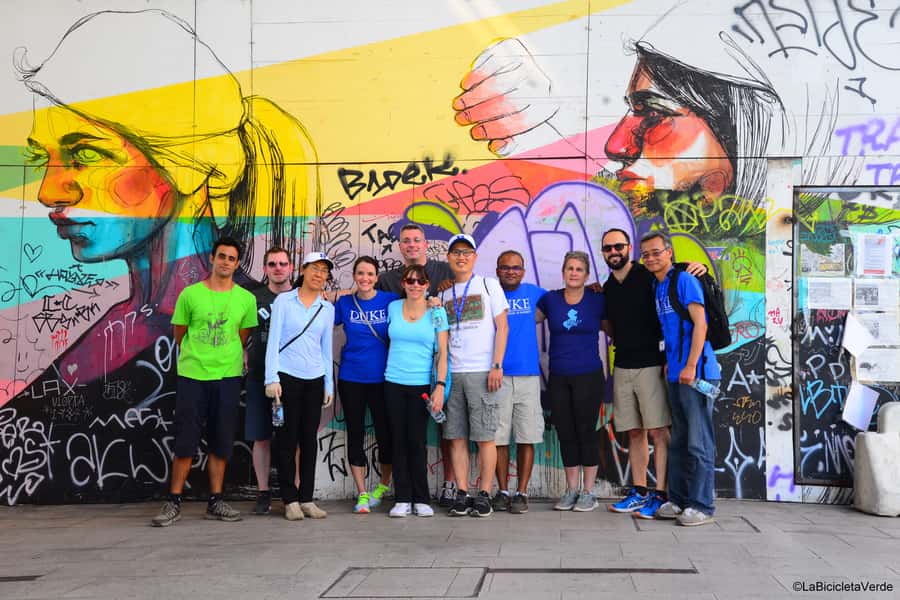
- Small groups help: The tour is limited to 10 people, with Spanish and English guiding.
- A sweet finish is included: You can have handcrafted ice cream in several flavors, or choose coffee or espresso instead.
Why this bike tour is different from a standard city ride
Many city bike tours focus on buildings, plazas, and quick photo stops. This one uses Santiago’s streets and parks to explain the country’s political life. That gives you a better sense of how the city works today, not just what it looked like in the past.
The guide talks about monuments and public figures along the way, then connects them to Chilean society. The emphasis on recent political history is clear. You can expect a serious look at the country, including the importance of October 2019 in Santiago, but the tone remains friendly and conversational.
This is also a practical introduction to central Santiago. You see how the city’s growing network of bike lanes fits into daily life, then move between broad streets, green spaces, cultural buildings, and major government sites. I like that balance. You are not trapped in a museum or seated on a bus. You are out in the city, with time to notice its scale and contrasts.
The group size matters here. With no more than 10 people, it is easier to hear the guide, ask questions, and stay together at street crossings. Past guides have included Isabella, Valentina, Juan Pablo, Camille, and Ales, all praised for clear explanations, local advice, and careful attention to safety.
More Bike Tours in Santiago
- Santiago: Markets Bike Tour
★ 4.8 · 107 reviews - Santiago Center Cultural Bike Tour
★ 5.0 · 51 reviews - Private Full-Day Bike Tour of Santiago Cultural 5-6 hrs
★ 5.0 · 49 reviews
Starting near Plaza Mori and Baquedano
The meeting point is Constitución 153, next to Plaza Mori and near Baquedano Metro Station. That location puts you close to central Santiago and makes the tour fairly easy to reach without hotel transport.
You begin with a beach cruiser city bike and helmet. Chilean law requires the helmet, so this is not optional equipment. Bottled water and sunscreen are included, but I would still bring sunglasses, a hat for stops, and local currency if you want to buy something at a market or another stop.
The bikes are designed for comfort rather than speed. A past rider described the cruisers as easy and comfortable, and that matches the purpose of the route. You do not need to be a sports person. Still, you should be able to mount a bike, balance, brake, and ride on city streets.
Your bilingual guide gives the instructions in Spanish and English. The guides are also a useful source of everyday Santiago advice, including food, wine, and local customs. You will learn a few Chilean slang words as well, a small touch that helps the city feel less formal and distant.
Forestal Park brings shade and a slower pace
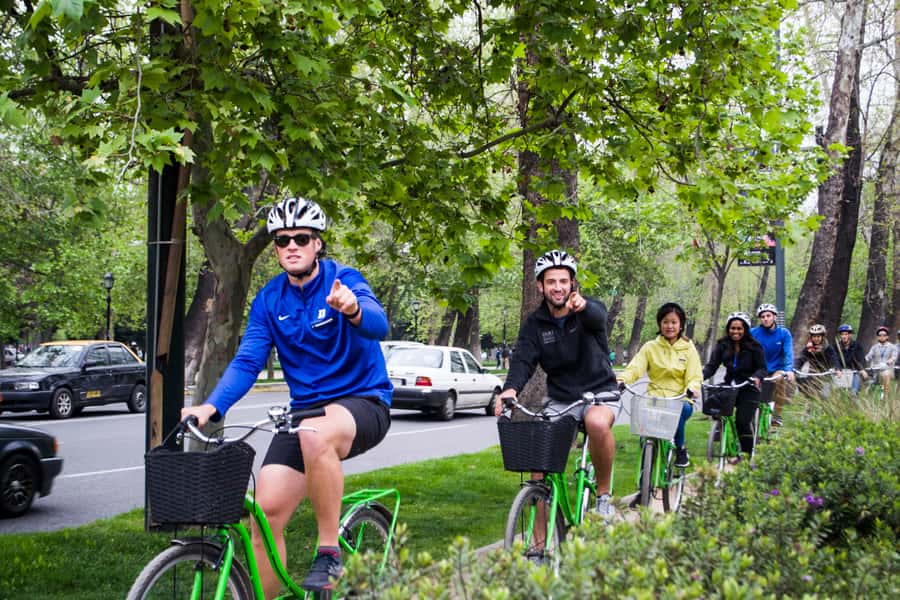
The first major part of the ride leads through Forestal Park. This is where the tour settles into its rhythm. Large trees and shaded paths offer a welcome change from Santiago’s traffic and tall buildings.
The park is not just a pretty shortcut. It helps you see how downtown residents use green space in the middle of a major city. You can expect the guide to point out the surrounding architecture, public areas, and the way the park connects central neighborhoods.
The route gives you a chance to look around while still moving. That is one reason a bike works well here. On foot, you could cover the same area, but you would spend more time crossing streets and less time reaching the next part of the city. By bike, the parks become part of a larger story.
The pace is intended to be comfortable. A guide can keep the group together and watch for safety, but you should not treat this as a private ride. If you want to stop for long photography sessions at every tree or building, the three-hour schedule may feel fairly tight.
Bustamante Park and Santiago’s bike lanes
The route continues through Bustamante Park, another green corridor that gives the ride a local feel. You see more of the city’s effort to support cycling, including sections of its growing bike-lane network.
This is valuable for two reasons. First, it lets you cover more ground without depending on taxis or the metro. Second, it shows you a side of Santiago that is easy to miss when you move only between major sights.
The bike lanes do not turn the city into a car-free cycling zone. You are still riding in an urban setting, so you need to follow the guide, watch traffic, and stay alert at crossings. The safety focus has been praised by riders, and the guides are responsible for keeping the group together and helping no one get lost.
The parks also make the tour less tiring than a nonstop street route. You will ride past trees and open areas, then return to denser blocks with skyscrapers and older buildings. That change in scenery keeps the afternoon interesting.
Same base, a completely different landscape:
- Santiago: Cajon del Maipo/Embalse del Yeso Tour with Picnic
★ 4.3 · 3,789 reviews - Santiago: Vina Del Mar, Valparaiso, Casablanca & Reñaca Tour
★ 4.2 · 2,838 reviews - Small-Group Cajón del Maipo Full-Day Tour and Picnic
★ 4.5 · 2,277 reviews - Santiago: Cajon del Maipo & Embalse El Yeso Trip with Picnic
★ 4.5 · 1,859 reviews
Gabriela Mistral Cultural Center connects culture and politics
The Gabriela Mistral Cultural Center, commonly called GAM, is one of the main stops. Its architecture and public role give the guide a natural place to discuss Chilean history, culture, and political change.
Here, you are not simply taking a picture of a cultural building. The guide explains the background of the monuments and figures you encounter, adding context to what you see. This is particularly useful if you know little about Chile beyond its geography and famous poets.
GAM also helps show how culture can become part of public debate. The tour’s political focus does not stay inside government buildings. It reaches into cultural spaces, city streets, monuments, and public gatherings.
You should expect to listen more than enter exhibitions. The activity information centers on seeing the building and hearing the guide explain its history, rather than on a scheduled interior visit. If your main goal is a long museum visit, this bike tour will not replace one. If you want a clear introduction before exploring GAM on your own, it works well.
La Moneda puts Chilean politics at the center
The ride continues to Palacio de La Moneda, Chile’s Presidential Palace. This is the tour’s most direct political stop and one of the places where the guide’s local knowledge matters most.
La Moneda gives the discussion a physical anchor. Instead of hearing a list of presidents and dates, you are standing at the seat of national government while the guide explains how Chile’s political past shapes society today.
The tour places special attention on recent political events. The importance of October 2019 in Santiago comes through in the route, and the guide explains why that period still matters to Chileans. This part may be especially rewarding if you are interested in politics, social change, or how a country remembers conflict and protest.
The tone is meant to be fair rather than partisan. Juan Pablo, one of the named guides, was praised for offering historical detail without bias and for explaining Chile from the viewpoint of someone born and living in Santiago. That is the sort of perspective you want at a politically sensitive site: clear enough to understand, open enough to leave room for questions.
La Moneda is also a good reminder that Santiago is not only a collection of scenic parks. Its government buildings and public monuments are tied to difficult national conversations. The bike makes it easier to connect these places in one afternoon.
Downtown streets reveal the city between major sights
After the park sections and political stops, you ride through central Santiago streets. This is where the tour’s urban character becomes strongest. You see big trees, tall buildings, distinctive architecture, and monuments within a relatively compact part of the city.
The benefit of riding is the connection between sights. A walking tour might give you more time at each stop but cover less ground. A bus would cover ground more quickly but would leave you separated from the street. The bike sits in the middle: active, close to the city, and still manageable for a casual rider.
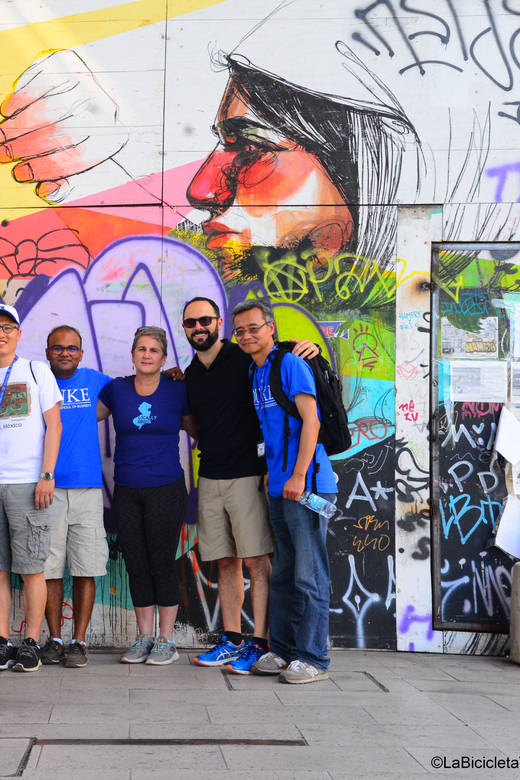
You also get a sense of how Santiago’s neighborhoods change from one block to the next. The route includes parks and hip barrios as well as government and cultural landmarks. That mix keeps the experience from feeling like a simple parade of official buildings.
Your guide can explain the meaning behind monuments and public figures rather than leaving you with names alone. This is one of the strongest reasons to book with a guide instead of renting a bike independently. You could follow the same general streets, but you would miss the political links and local details.
Ice cream, coffee, and useful local advice
The included handcrafted ice cream is a small but welcome part of the experience. You can choose from various flavors, or have coffee or espresso instead if that suits you better.
The stop breaks up the riding and gives the group a chance to talk. It also adds value to the $45 price, since you are not paying only for bike rental and transportation. You receive the bike, helmet, water, sunscreen, guide service, and a food or drink stop within the three-hour outing.
The guides also offer practical suggestions for food and wine. Those recommendations can be useful early in your stay, when you are still deciding where to eat or what to try. Bring local currency if you plan to purchase goods at a market or another stop, since that spending is not covered.
I would keep your camera ready, but do not expect every stop to be a long photo break. The appeal is the flow of the route and the conversation. You will get more from it if you listen, ask questions, and watch the city as you ride.
What the $45 price really buys you
At $45 per person, this is priced above a basic bike rental but below the cost of many private city experiences. The value comes from the combination of equipment, a bilingual guide, political context, and a small group.
You are paying for three hours of organized movement through central Santiago. A standard rental would not give you the route planning, safety support, monument explanations, Chilean slang, or local restaurant advice. A walking tour might explain the politics well but would not cover the same amount of ground or include the parks in this way.
The price is strongest for a first visit. You can use the tour to understand the city’s layout, then return later to GAM, La Moneda, or a favorite park at your own pace. It also works for people who want history and politics but prefer an active afternoon to a seated lecture.
The value is less clear if you already know central Santiago well or only want a fast cycling workout. This is a guided cultural ride, not a high-speed excursion. The route is flat and relaxed, and the political discussion takes a meaningful share of the time.
Who will enjoy this ride most
I would recommend it to first-time visitors who want an overview of central Santiago without spending the whole day indoors. It is also a good fit for anyone curious about Chilean politics, urban change, culture, and everyday city life.
Casual cyclists should feel comfortable with the format. You do not need to be athletic, and the cruiser bikes keep the pace approachable. Families and mixed-ability groups may find the relaxed route useful, though every participant must be able to ride a bike and manage city streets.
This tour suits English and Spanish speakers, with live guiding in both languages. The small group makes it easier to ask about subjects that interest you, from the meaning of a monument to where to find a good meal afterward.
It may not suit you if you use a wheelchair, dislike riding near traffic, or want a purely scenic tour with little political discussion. The emphasis on recent Chilean politics is a defining feature, not a minor extra.
Practical details before you reserve
The activity lasts three hours, and starting times depend on availability. Hotel pickup and drop-off are not included, so plan your own way to Constitución 153 near Plaza Mori and Baquedano Metro Station.
Insurance is also not included. The helmet is mandatory under Chilean law and is provided, along with sunscreen and bottled water. You should wear comfortable clothes and shoes suitable for riding, and bring sun protection beyond the supplied sunscreen if you burn easily.
The group is limited to 10 participants. That is large enough for a social afternoon but small enough for the guide to monitor the group. Past guides have been praised for a good pace, strong English, careful riding support, and useful answers to questions.
Free cancellation is available up to 24 hours before the tour for a full refund. You can also reserve now and pay later, which helps if your Santiago schedule is still changing.
Should you book the Santiago bike tour?
Book it if you want Santiago explained through its streets, parks, monuments, and political life. The strongest reasons are the flat route, comfortable bikes, small group, and guides such as Isabella, Valentina, and Juan Pablo, who bring clear local context to La Moneda and the October 2019 story.
Skip it if you want a strenuous cycling trip, a long indoor visit at GAM, or a route designed around only postcard views. For most visitors, though, $45 is a fair price for three active hours, equipment, local guidance, and a useful first map of central Santiago. It gives you enough history to understand the city and enough time on the bike to feel part of it.
FAQ
How long does the Santiago Highlights, Parks and Politics Bike Tour last?
The tour lasts three hours. Starting times vary, so you should check availability when booking.
What language is the tour offered in?
The tour has a live guide in Spanish and English.
Is the route suitable for casual cyclists?
Yes. The tour is described as inclusive, and you do not need to be a sports person. The route is flat, and the beach cruiser bikes are intended to be comfortable and easy to ride.
What is included in the price?
The price includes a beach cruiser city bike, mandatory helmet, bottled water, sunscreen, a professional bilingual guide, and handcrafted ice cream. You may choose coffee or espresso instead of ice cream.
Where does the tour meet?
The meeting point is Constitución 153, next to Plaza Mori and near Baquedano Metro Station. Hotel pickup and drop-off are not included.
Can wheelchair users join the tour?
No. The activity is not suitable for wheelchair users.
Just added around Santiago
- Santiago: Private Pomaire, Isla Negra, and Pablo Neruda Tour★ 3.9 · 3 reviews
- Santiago de Chile: Half-Day City Tour with Local Cuisine★ 4.5 · 3 reviews
- Santiago: Guided City Tour through the historic center of Santiago★ 4.1 · 3 reviews
- ISLA NEGRA AND ALGARROBO WITH VINICOLA UNDURRAGA – TOUR : CHILE★ 3.3 · 3 reviews
- Valparaíso Tour with Funicular Ride and small groups★ 5.0 · 3 reviews
- Portillo & Laguna del Inca with Lunch at the Hotel Portillo★ 5.0 · 3 reviews
- Santiago: Private Half-Day City Tour★ 4.2 · 3 reviews
- From Santiago: Isla Negra, Pablo Neruda Museum & Winery Tour★ 5.0 · 3 reviews
Santiago Tours, compared.

Cajon del Maipo/Embalse del Yeso Tour with Picnic
Read our review →
Vina Del Mar, Valparaiso, Casablanca & Reñaca Tour
Read our review →
Small-Group Cajón del Maipo Full-Day Tour and Picnic
Read our review →
Valparaiso -Casablanca -Reñaca-Oceanic Rock-Concon
Read our review →
Valparaiso, Viña del Mar, & Casablanca Valley Tour
Read our review →
Portillo and Laguna del Inca Day Trip with Picnic
Read our review →Browse the lists this tour appears in