
Reviewed · SAN PEDRO DE ATACAMA TOURS
Chile: Astronomical Tour in the Atacama Desert
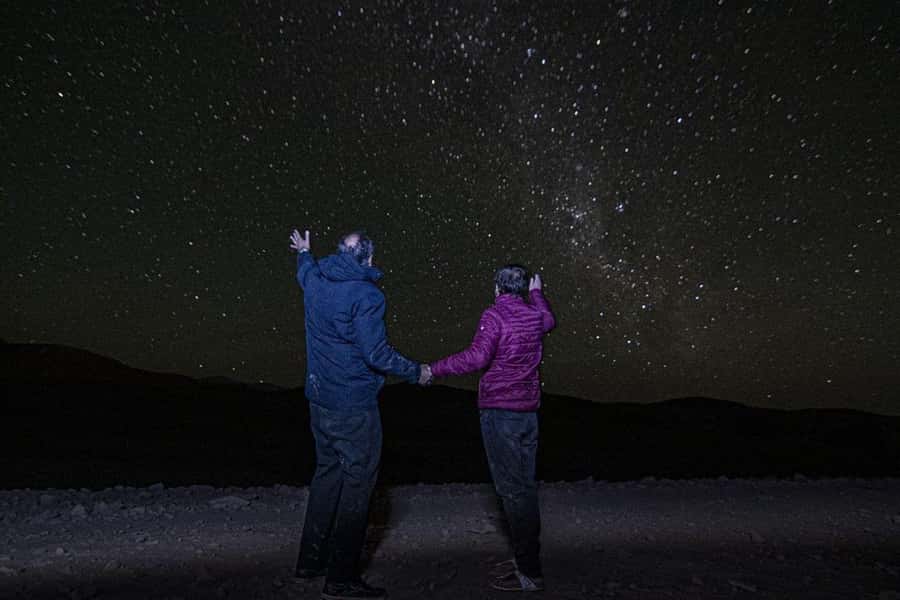
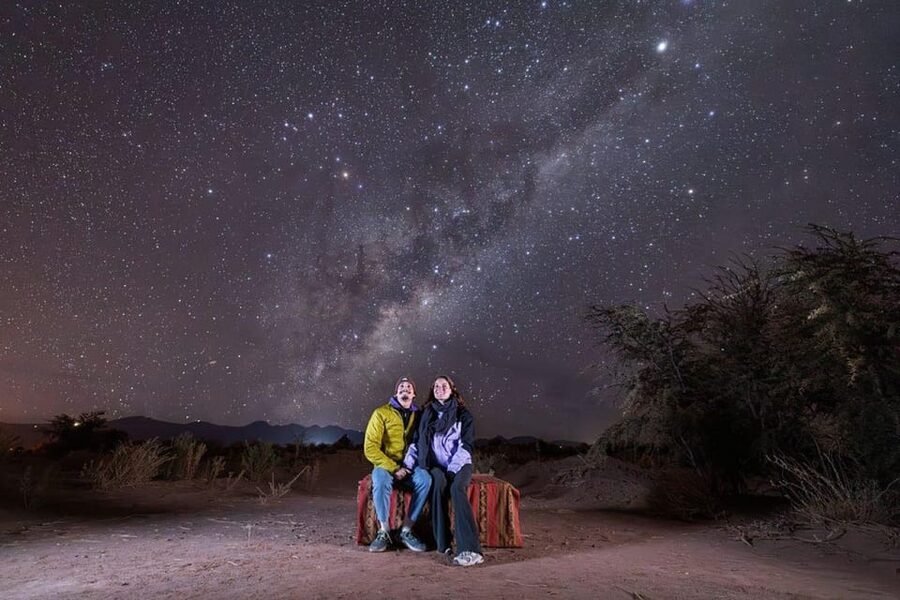
The Atacama Desert gives this night-sky tour its real power. Far from city lights, under dry, clear skies, you can see the Milky Way, planets, star clusters, and distant galaxies with a clarity that makes astronomy feel close at hand. I like the strong telescopes and the guides who explain both science and star mythology. I also like the two included photographs and the chance to learn basic astrophotography.
The main caution is pickup coordination. The stated pickup window is 9:00 to 9:30 p.m., but the operator confirms the exact time on the day. One booking involved a long wait after incorrect pickup information, so confirm your hotel address and timing carefully.
Key points to know before booking
- Telescopes reveal more than a naked-eye sky: You may see lunar craters, Saturn’s rings, nebulae, and star clusters, depending on current conditions and what is visible that night.
- The Atacama setting does much of the work: High altitude, dry air, and low light pollution create excellent conditions for stargazing.
- Guides are the heart of the experience: The tour is available in English or Spanish, with explanations covering science, constellations, mythology, and the movement of celestial bodies.
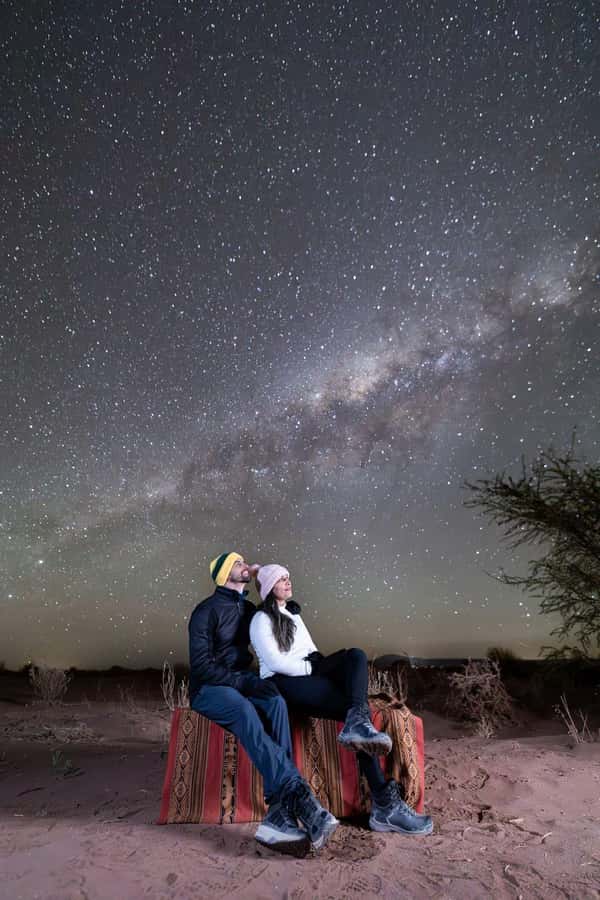
- You receive two photographs: This gives you a small visual keepsake, while the guides can also help with night-sky photos using cameras or smartphones.
- The tour lasts 150 minutes: That is enough time for explanations and telescope viewing without turning the night into an all-night expedition.
- Check the transfer details: Return transfer to your hotel is included, but pickup is listed separately as not included, so ask exactly how your departure and return arrangements work.
Why the Atacama night sky is the main attraction
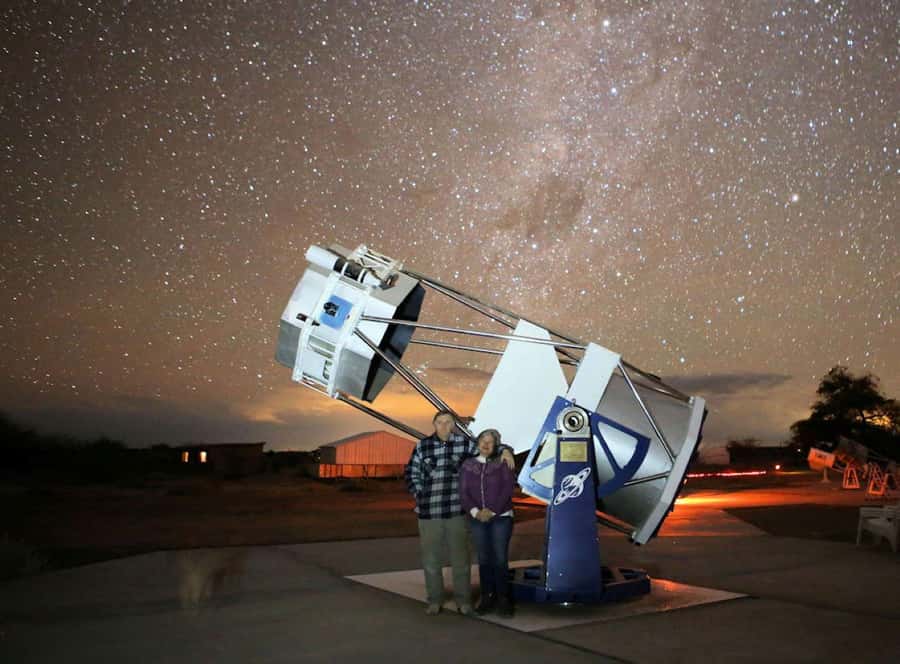
This experience works because the Atacama is not simply a dark place. Its dry climate and high altitude help reduce moisture in the air, while the low level of artificial light makes faint stars and deep-sky objects easier to see.
You begin by meeting an astronomy guide and learning why this part of northern Chile is prized for sky observation. That introduction matters. Without it, you may see a huge number of stars but struggle to understand what you are looking at. A good guide gives the sky structure, pointing out constellations and explaining how the celestial sphere appears to move over the course of the night.
The tour also connects modern astronomy with older human uses of the sky. You learn how ancient cultures used stars for navigation, farming, and storytelling. That cultural layer keeps the session from becoming a simple equipment demonstration. You are not just waiting for your turn at a telescope. You are learning how people have made sense of the night sky across time.
The exact objects you see can change with the season, the moon, and current conditions. The program specifically highlights the possibility of seeing the Moon’s craters, Saturn’s rings, nebulae, and star clusters. Think of these as representative targets rather than a fixed checklist.
More Stargazing Tours in San Pedro de Atacama
- San Pedro de Atacama: Etno-Stargazing Tour with Transfer
★ 4.8 · 629 reviews - San Pedro de Atacama: Stargazing Experience
★ 4.7 · 489 reviews - Astronomical Tour with Guide and Pick Up San Pedro de Atacama
★ 4.5 · 145 reviews
The 150-minute route from hotel departure to telescope time
The night normally begins with a pickup window between 9:00 and 9:30 p.m. The operator confirms the exact time on the day, so give your hotel name and full address when booking. This is important because the transfer details are not presented with perfect clarity: return transfer is included, while pickup is listed as not included.
I would not leave your hotel at 9:00 p.m. and assume the vehicle will arrive at that exact minute. Keep your phone available, ask the operator to confirm the meeting point, and allow for a wait. One booking involved an extra hour and a half after incorrect pickup information and poor communication. That problem does not describe the astronomy itself, but it can affect the start of your evening.
Once you reach the observation area, the tour turns away from transport and toward the sky. The group is introduced to the desert’s viewing conditions, then the guide begins explaining the constellations and the broad shape of the heavens. The use of both English and Spanish makes this a practical choice for mixed-language groups.
The 150-minute duration is well judged for most people. You have time to listen, look through the telescope, ask questions, and take photographs. At the same time, the tour is short enough that you are not committing your entire night to a technical astronomy session.
What you can see through the telescopes
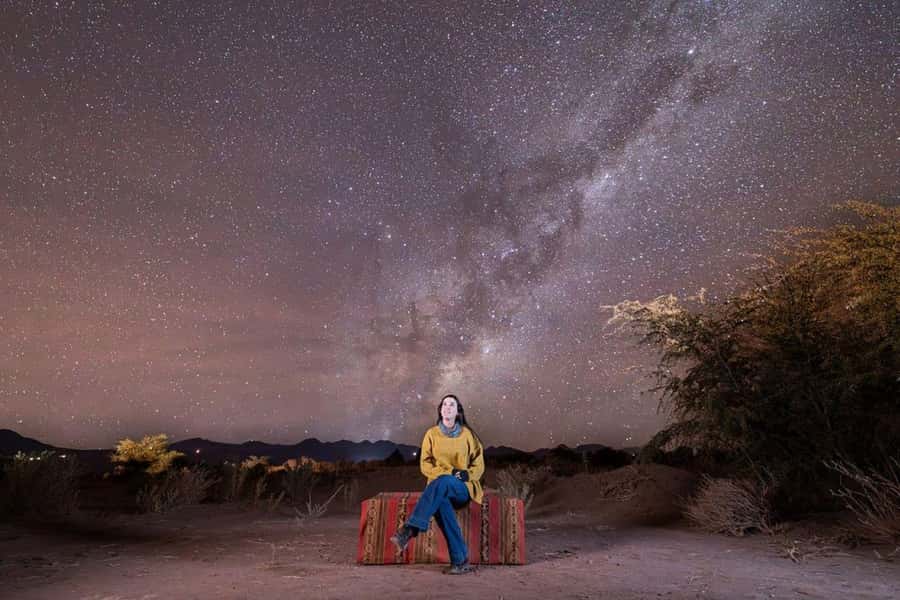
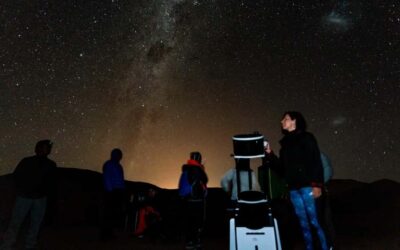
The telescope is the central tool here, and the difference between naked-eye stargazing and telescope viewing can be dramatic. With the right target, the equipment can bring small details into view, including lunar craters and Saturn’s rings. Nebulae and star clusters can also take on more shape and texture than they have when seen only as faint points of light.
One particularly useful detail comes from a booking made during a waxing moon. The telescope still produced good views despite moonlight, which is encouraging if your visit does not fall on a moonless night. The moon can brighten the sky and reduce the visibility of some faint objects, but it can also become an excellent target in its own right.
You should keep expectations sensible. The large telescope shown in some promotional imagery was not present for one visit, although newer telescopes were available and the activity still worked well. The equipment can provide memorable views, but this is not the same as visiting a major research observatory or using professional observatory instruments.
The guide’s role is just as important as the telescope. You learn about the life cycle of stars, the movement of planets and other celestial bodies, and the great scale of the universe. The best moments come when a technical explanation is followed by a direct view through the eyepiece. That connection turns a fact into something you can actually remember.
Guides, stories, and the human side of astronomy
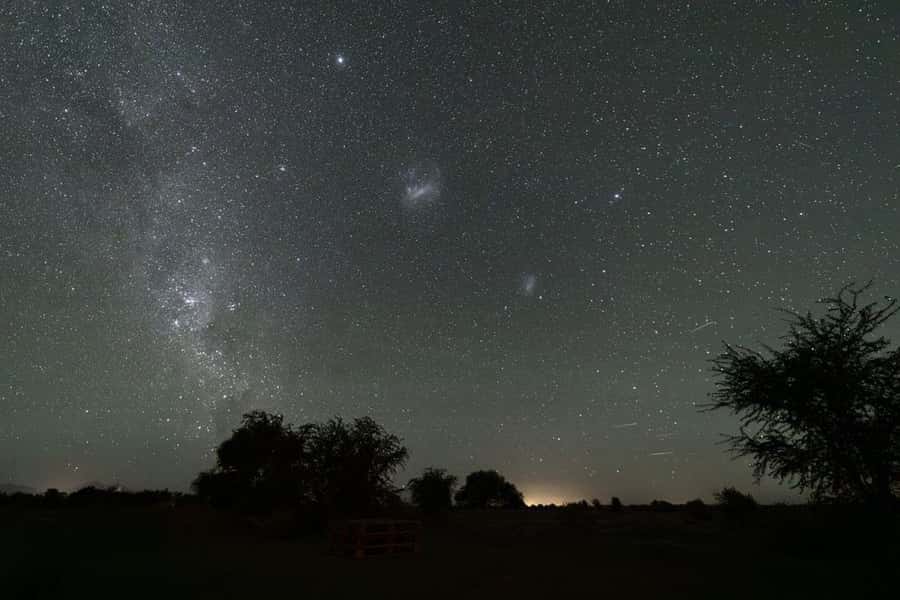
The guides receive the strongest praise in the available feedback, especially for their enthusiasm, personality, and ability to explain complex subjects in an entertaining way. That matters because astronomy can quickly become too technical if the presentation is dry.
You can expect explanations of constellations alongside the myths attached to them. The tour also covers scientific discoveries and modern astronomy, so the content is not limited to traditional star stories. You get a useful mix of cultural context and current science.
I like this format for beginners. You do not need to know the names of stars before arriving, and you do not need to bring your own telescope. The guide helps you get your bearings fast, then gives you enough information to make the view through the eyepiece meaningful.
Experienced sky watchers may find the general introduction familiar, but the Atacama setting and shared equipment still give the evening value. The guides can answer questions, explain what is visible that night, and help you notice details you might miss alone.
Same base, a completely different landscape:
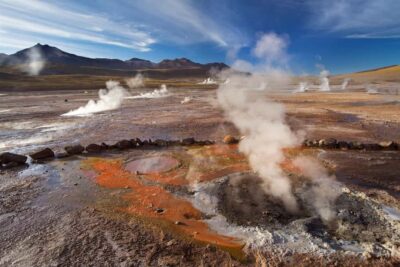
- San Pedro de Atacama: El Tatio Geysers Tour
★ 4.7 · 943 reviews - Piedras Rojas, Altiplanics Lagoons & Salar Full-Day Tour
★ 4.7 · 592 reviews - San Pedro Atacama: Baltinache Lagoons
★ 4.6 · 359 reviews - San Pedro de Atacama: Valle de la Luna Guided Tour
★ 4.4 · 312 reviews
Astrophotography and the two included photographs
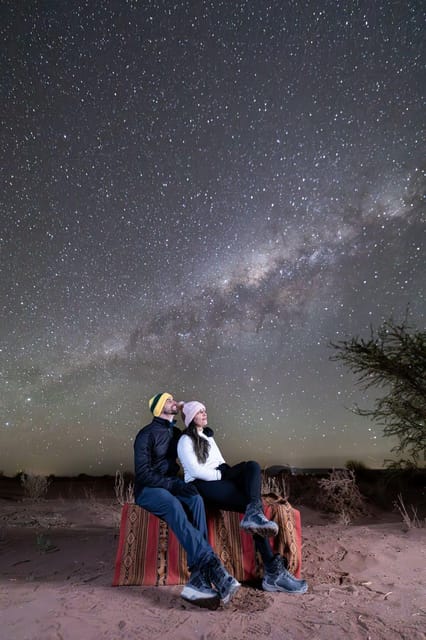
The desert is a strong setting for night photography, and the tour makes room for it. The guides can offer advice on photographing the sky with professional cameras or smartphones. That does not turn the activity into a dedicated photography workshop, but it is useful if you want more than a memory in your head.
You will need to keep your expectations realistic with a phone. The darkest sky does not automatically produce a perfect image, and the result depends on the device, technique, and conditions. Still, a guide who shows you how to frame the sky or work with available settings can help you produce something worth keeping.
Two photographs are included. This is a modest but welcome addition to the $100 price, especially if you would otherwise struggle to photograph yourself under the stars. The included images also give the experience a clear ending point: you leave with a record of the night, not only a story about it.
If photography is your main reason for booking, ask how the two photos are taken and delivered. The supplied details confirm that two photographs are included, but do not explain the format or delivery method.
Drinks, reflection, and the final minutes
A cocktail and drinks bar are included, adding a relaxed social element after the more instructional telescope work. This can be a pleasant way to pause between observations and look up without an eyepiece.
The final part of the activity is less structured. You have time to reflect beneath the stars, take in the Milky Way, and appreciate the scale of the desert sky. That quiet pause is valuable. Astronomy is not only about identifying objects. It is also about noticing how small ordinary concerns feel beneath a sky filled with light from distant suns.
The drinks are a bonus, not the reason to choose this tour. If you want a serious observing session, the telescope and guide matter more. If you prefer an evening that combines learning, conversation, photographs, and a drink, the format is more appealing.
What the $100 price gets you
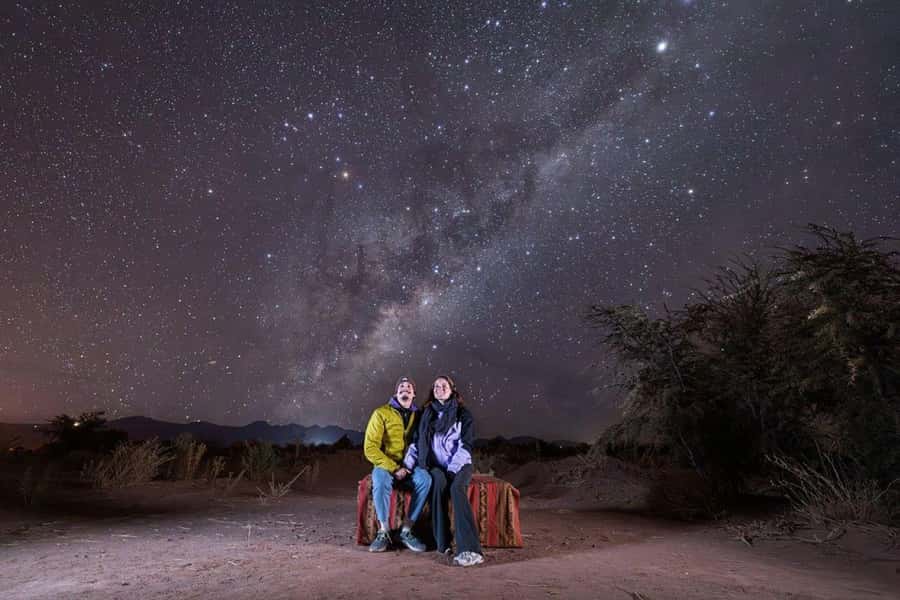
At $100 per person, this is not the cheapest way to spend an evening in the Atacama. Its value depends on how much you want interpretation and equipment rather than simply a dark place to look upward.
The price includes a bilingual guide, telescope use, a cocktail with drinks bar, two photographs, and return transfer to your hotel. You are paying for access to equipment you may not have, along with someone who can explain what you are seeing. For a first astronomy experience, that combination is useful.
The tour is also a good value for people who would not know how to plan an independent stargazing session. You do not need to research celestial charts, select targets, or work out which objects are visible. The guide handles the structure of the night.
The price is less compelling if you already own strong astronomy equipment and prefer to observe alone. It is also worth checking the transfer terms before you commit, since pickup is marked as not included even though a pickup window is provided. A surprise transport cost could change the final value.
The current rating is 4.8 from four reviews, with the strongest praise directed toward the guides, explanations, telescope views, and photographs. The weaker points concern organization and equipment expectations, not the basic appeal of the Atacama sky.
Who should book this Atacama astronomy tour
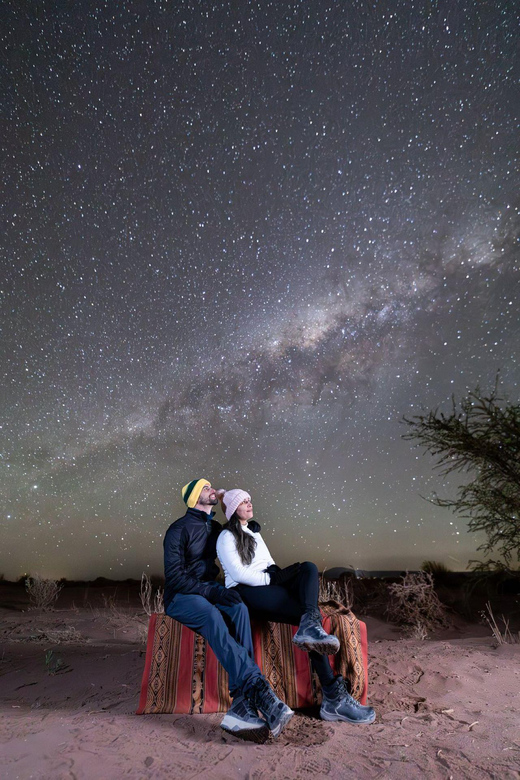
I would recommend this for first-time stargazers, couples, families with older children, and anyone who wants a structured night activity after exploring northern Chile by day. The bilingual format is useful for English- and Spanish-speaking groups.
It suits curious beginners particularly well. You can arrive knowing very little and still follow the explanations about stars, planets, mythology, and the universe. The 150-minute length also makes it manageable if you have other activities planned during your stay.
Photography-minded visitors may enjoy the extra guidance, especially if they bring a smartphone or camera. Just treat the two included photographs as a keepsake rather than a full photography package.
I would be more cautious if you need precise pickup arrangements, dislike waiting late at night, or expect the biggest telescope shown in promotional images. Confirm the transport plan and ask about the equipment before booking if those details matter to you.
Practical advice for a better night under the stars
Enter your hotel name and full address accurately. The operator needs this information, and the pickup timing has caused confusion for at least one booking.
Keep the evening flexible around the 9:00 to 9:30 p.m. pickup window. Do not schedule something immediately afterward, since the tour lasts 150 minutes and transfer time adds to the total evening.
Listen closely during the opening explanation. The constellation stories and scientific background make the telescope views far more rewarding. If you only look through the eyepiece without context, you lose much of what the guide adds.
Ask questions. The guides have been praised for their enthusiasm and subject knowledge, and the session is designed for explanation as well as observation.
If you hope to photograph the sky, bring the camera or phone you actually know how to use. The guides can help with technique, but the activity is not described as a full professional photography course.
Finally, remember that astronomy is weather and light dependent. The Atacama offers excellent conditions, but no tour can promise every planet, galaxy, or nebula on a particular night. The moon may reduce visibility of faint objects, while also providing a rewarding target of its own.
FAQ
Where does the astronomical tour take place?
The experience takes place in North Chile’s Atacama Desert, one of the world’s well-known locations for observing the night sky.
How long does the tour last?
The tour lasts 150 minutes.
What languages are available?
The live guide is available in English and Spanish.
What can I see through the telescope?
The tour highlights the Moon’s craters, Saturn’s rings, nebulae, star clusters, distant stars, planets, and galaxies. What you see depends on the conditions and what is visible that night.
Is hotel transportation included?
Return transfer to your hotel is included. Pickup is listed separately as not included, while a pickup window of 9:00 to 9:30 p.m. is provided. Confirm the exact arrangements with the operator.
Are photographs included?
Yes. Two photographs are included with the activity.
Can I cancel for a full refund?
Yes. You can cancel up to 24 hours in advance for a full refund. You can also reserve now and pay later.
Should you book it?
Book this tour if you want more than a quick look at the stars. The enthusiastic guides, telescope viewing, astronomy stories, drinks, and two photographs make it a well-rounded introduction to the Atacama night sky.
I would book it after confirming the pickup details and asking about the available telescope. Those checks address the tour’s main weak points. If you accept that the equipment may differ from promotional imagery and that transport coordination needs attention, the experience offers a memorable and educational use of one of Chile’s great natural settings.
Just added around San Pedro de Atacama
- From San Pedro de Atacama: Small group to Moon Valley★ 5.0 · 3 reviews
- San Pedro de Atacama: Cejar Lagoon, Tebenquiche & Ojos Salar★ 3.9 · 3 reviews
- San Pedro de Atacama: Canyon Swimming Pools Trekking Trip★ 5.0 · 3 reviews
- San Pedro de Atacama: Rainbow Valley & Good Herbs Tour★ 4.3 · 3 reviews
- Full Desert. The most complete program you will find★ 3.2 · 3 reviews
- From San Pedro de Atacama: The Salt Flats Route, Full Day★ 3.7 · 3 reviews
- San Pedro de Atacama: Valle de la luna★ 3.0 · 3 reviews
- Valle de la Luna: A Moon-Like Escape in Atacama★ 5.0 · 3 reviews
San Pedro de Atacama Tours, compared.
San Pedro de Atacama: Etno-Stargazing Tour with Transfer
Read our review →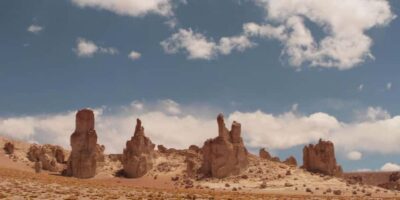
Piedras Rojas, Altiplanics Lagoons & Salar Full-Day Tour
Read our review →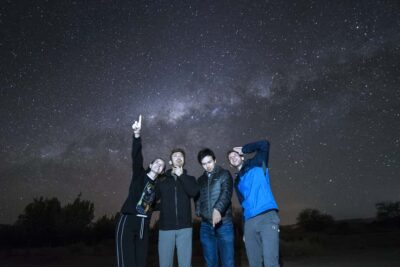
San Pedro de Atacama: 3-Day Activity Combo with 4 Tours
Read our review →
Triple tour: Red stones, highland lagoons and Chaxa Lagoon
Read our review →Browse the lists this tour appears in