
Reviewed · SAN PEDRO DE ATACAMA TOURS
San Pedro de Atacama: Wildlife Safari and Photography Tour
The best part of this Atacama tour is not simply seeing wildlife. It is having time to spot animals that blend into the rocks and scrub, then study them through a scope while Juan Pablo explains what you are looking at. In four hours, you move from Quirquincho Pass to Machuca’s wetlands and finish with a broad highland view over Putana.
I like the small group, limited to four people, and the useful photo gear provided. I also like the unhurried approach: this is made for stopping, watching, and waiting for a good image rather than racing from one viewpoint to the next. The main consideration is the early highland drive and cold conditions, plus the fact that wildlife can never be promised on a particular day.
Key points to know before booking
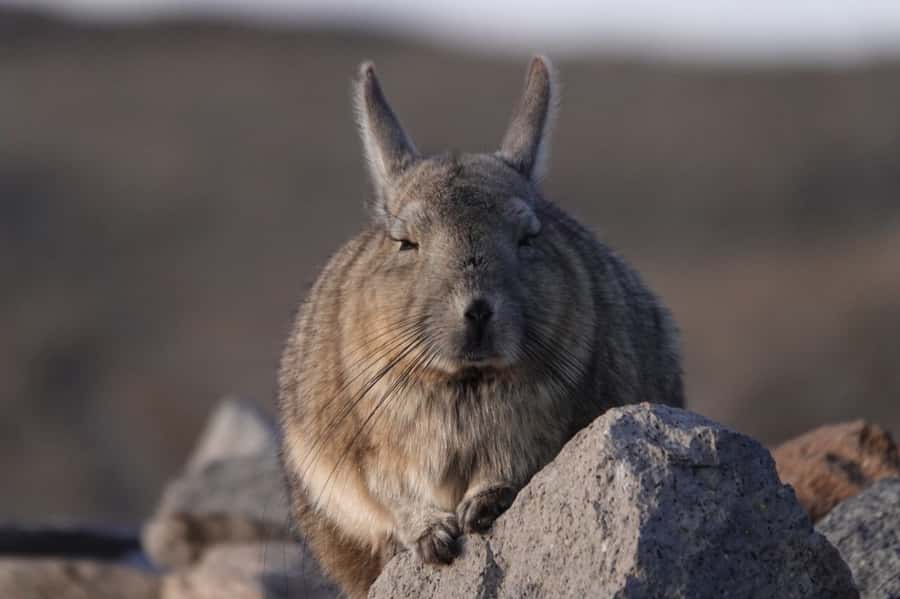
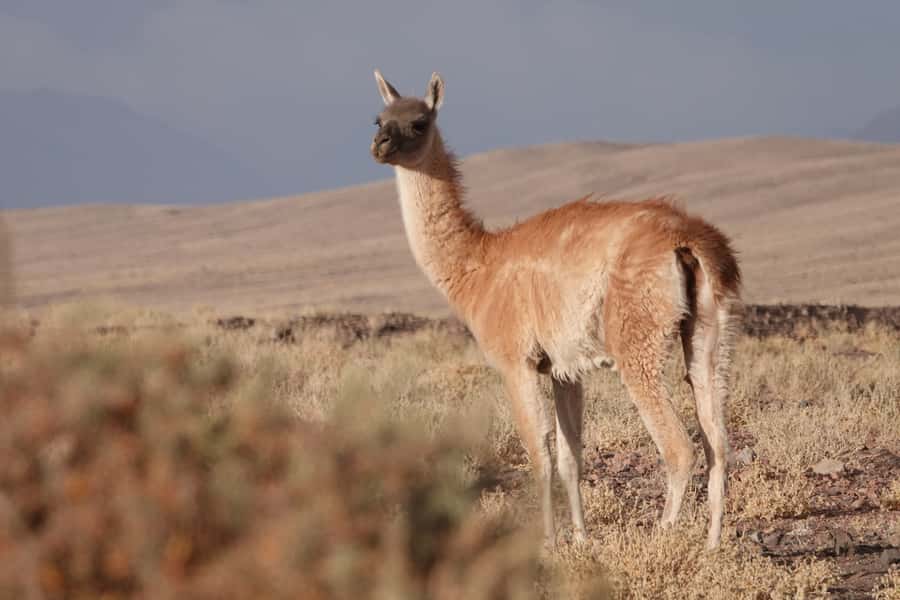
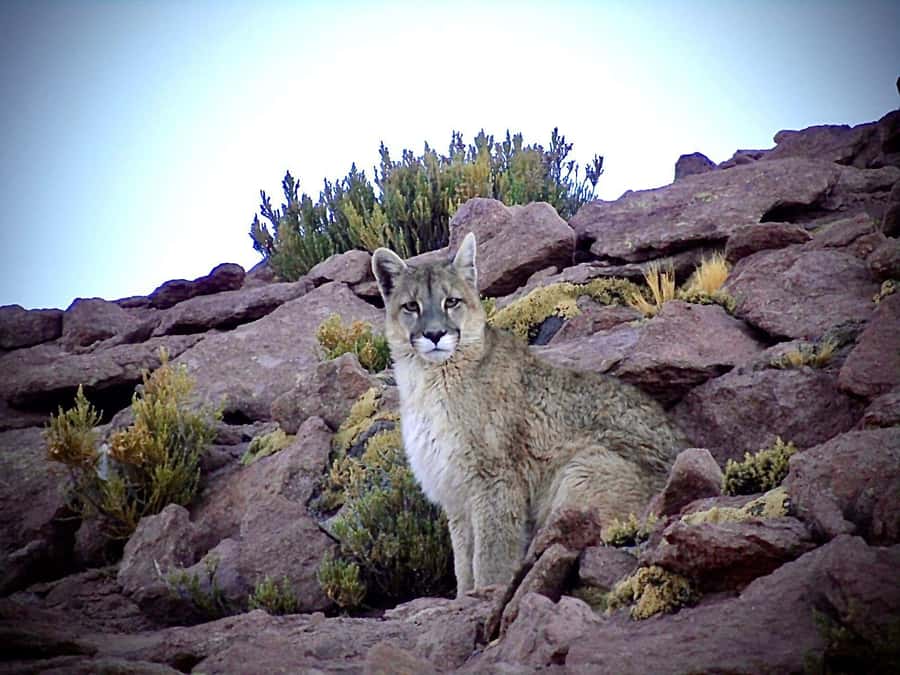
- A focused wildlife trip: Look for vicuñas, guanacos, vizcachas, flamingos, and many high-altitude birds.
- Three very different settings: Rocky Quirquincho Pass, Machuca wetlands, and the wide Putana highland.
- Helpful camera support: Use spotting scopes, binoculars, field guides, and phone adapters for close views and photos.
- A genuinely small group: With no more than four participants, the guide can respond to your interests.
- Guide Juan Pablo: He brings strong field skills and can point out animals that are easy to miss without help.
- A four-hour outing: Hotel pickup and drop-off keep this simple to fit into a San Pedro itinerary.
Why this Atacama safari is different
San Pedro de Atacama has no shortage of scenic outings, but many focus mainly on salt flats, geysers, or sunset views. This trip puts the animals first. The volcanoes, wetlands, and salt-flat country provide the setting, but the purpose is to find life in a place that can look bare at first glance.
That change in focus matters. A casual stop beside the road may give you a quick look at a vicuña. Here, you have a guide watching the slopes, checking the wetlands, and helping you understand where to look. Several animals are well camouflaged, especially among the rocks at Quirquincho Pass. You may be staring straight at a vizcacha without realizing it until the guide shows you the shape.
I especially like the way this suits both serious photographers and people who simply want to see Chilean wildlife. You do not need a large camera or technical experience. The provided spotting scopes have phone adapters, so you can try for a close image with your mobile phone. Binoculars and field guides also make the outing useful even when you leave the camera in your bag.
The tour has a five-star average from 17 ratings, and the strongest praise centers on the guide, the animal sightings, and the calm pace for photography. That combination is more important than fancy transport or a long checklist of stops. You are paying for local eyes and a better chance of noticing what is already around you.
A few more San Pedro de Atacama half-days to weigh up
- From Santiago: Safari Park, a wild experience
★ 4.5 · 20 reviews - SAFARI PARK-TOUR RANCAGUA : CHILE
★ 4.5 · 4 reviews
From San Pedro to Quirquincho Pass
The outing starts with pickup at your hotel and a drive of about 45 minutes into the mountains. That transfer is included, which makes the trip easy to add to a stay in San Pedro. You do not need to arrange a separate taxi or work out how to reach the highland roads yourself.
The first wildlife search takes place at rocky Quirquincho Pass. This is where you look for guanacos and vizcachas, with the guide helping you scan the stones and slopes. Vicuñas may also appear during the wider outing, and several sightings have included both vicuñas and guanacos.
Quirquincho is a good early test of the tour’s style. You should not expect animals to pose beside the vehicle. The fun comes from learning how to search: check the rock ledges, watch for movement, and use the scope to confirm what you think you see. If you are new to wildlife photography, this is a useful lesson in patience and observation.
The pass also gives you open views toward the high volcanoes. Atacama is famous for huge horizons, and the clear mountain air makes the setting as important as the wildlife. Still, the highland location brings a practical issue: you need warm clothing even if San Pedro feels mild. Comfortable shoes, a hat, and sunscreen belong in your day bag.
Machuca wetlands and the short wildlife walk
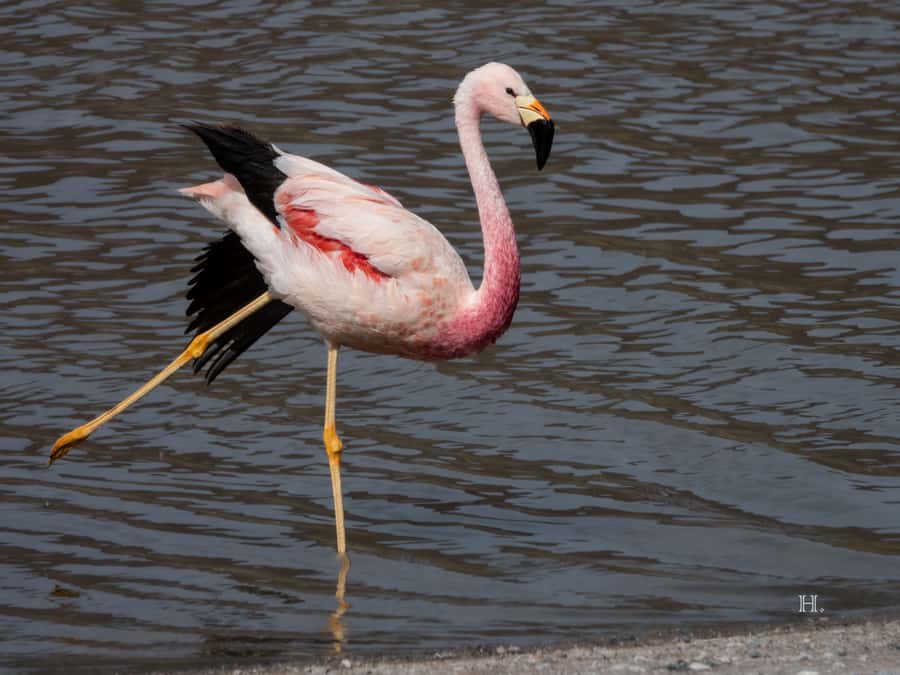
After Quirquincho Pass, the route continues toward Machuca Village. The wetlands here attract plenty of birdlife, including flamingos, and the tour includes a short hike. This is the most active portion of the outing, though it is described as a short walk rather than a demanding trek.
The wetlands give you a different kind of wildlife viewing. At the pass, you search the rocks for mammals. Near Machuca, you scan open water and wet ground for birds. A large flock of flamingos can be one of the most memorable sights, especially when the birds are gathered together across the wetland.
You might also see birds that are unfamiliar to you. That is where the guide and field guides earn their keep. Instead of leaving with a few attractive but unidentified photos, you can connect the bird to its name and habitat. The binoculars let you watch without crowding the animals, while the spotting scope gives you a steadier close view.
The village itself adds a human element to the route. You cross Machuca before driving onward, so this is not only a nature outing in an empty wilderness. The stop is brief, but it helps place the wetlands within the highland communities and roads of the area.
For photographers, Machuca is likely the most rewarding part if birds are your priority. Flamingos are not guaranteed, and their distance can vary, but the wetland setting offers more chances for bird images than the rocky pass. Bring patience. A few quiet minutes looking through the scope may produce a better result than taking dozens of quick shots.
Putana Vade and the 360-degree highland view
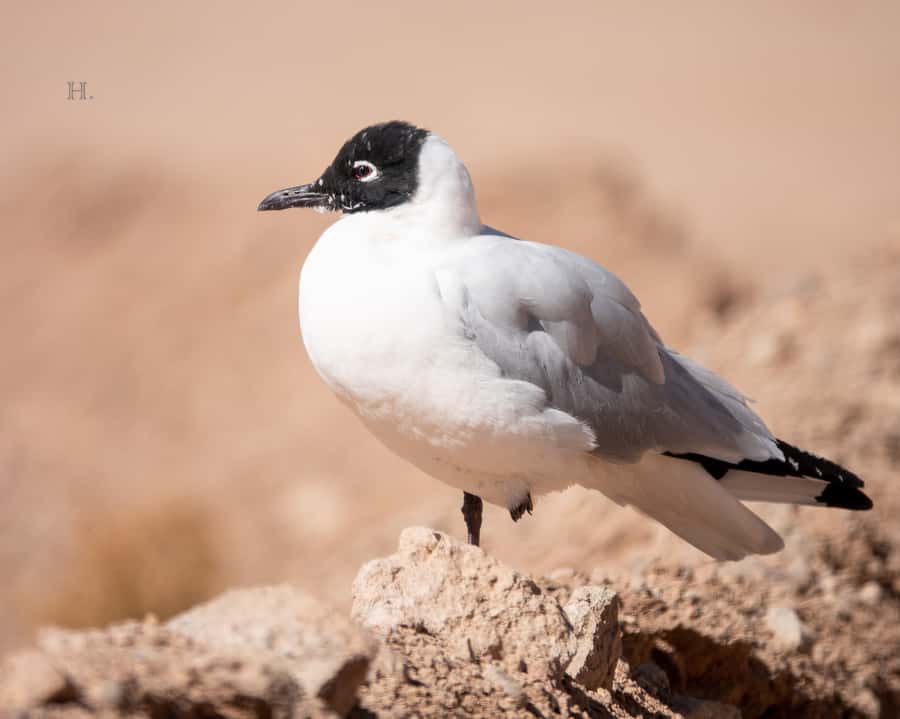
The final major stop is the Putana Vade lookout in the highlands. Here you can relax and take in a 360-degree view over the region’s largest wetland, surrounded by high volcanoes. It is a strong finish because it gives you room to step back from close wildlife watching and see the whole setting.
This viewpoint is also useful for anyone who enjoys scenic photography. You can work with broad horizons, volcanoes, wetlands, and salt-flat country rather than only close animal portraits. The open views help explain why wildlife gathers in these places: water and wet ground create pockets of life within the dry Atacama region.
The light can be especially attractive later in the day. One participant praised the golden light around sunset, along with the chance to spend proper time observing and photographing rather than being hurried through a standard sightseeing circuit. The exact light will depend on the scheduled departure, so check the available starting time when booking.
The lookout is not a replacement for the wildlife stops. Think of it as the place to absorb the scale of the highlands. You may spend less time actively searching here and more time taking photos, resting, and listening to the guide explain the area.
Same base, a completely different landscape:
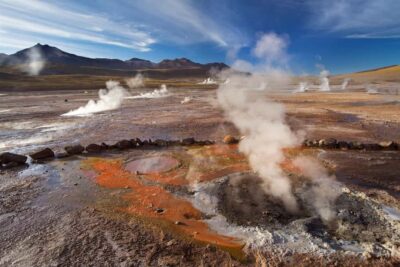
- San Pedro de Atacama: El Tatio Geysers Tour
★ 4.7 · 943 reviews - San Pedro de Atacama: Etno-Stargazing Tour with Transfer
★ 4.8 · 629 reviews - Piedras Rojas, Altiplanics Lagoons & Salar Full-Day Tour
★ 4.7 · 592 reviews - San Pedro de Atacama: Stargazing Experience
★ 4.7 · 489 reviews
Juan Pablo’s role in finding the animals
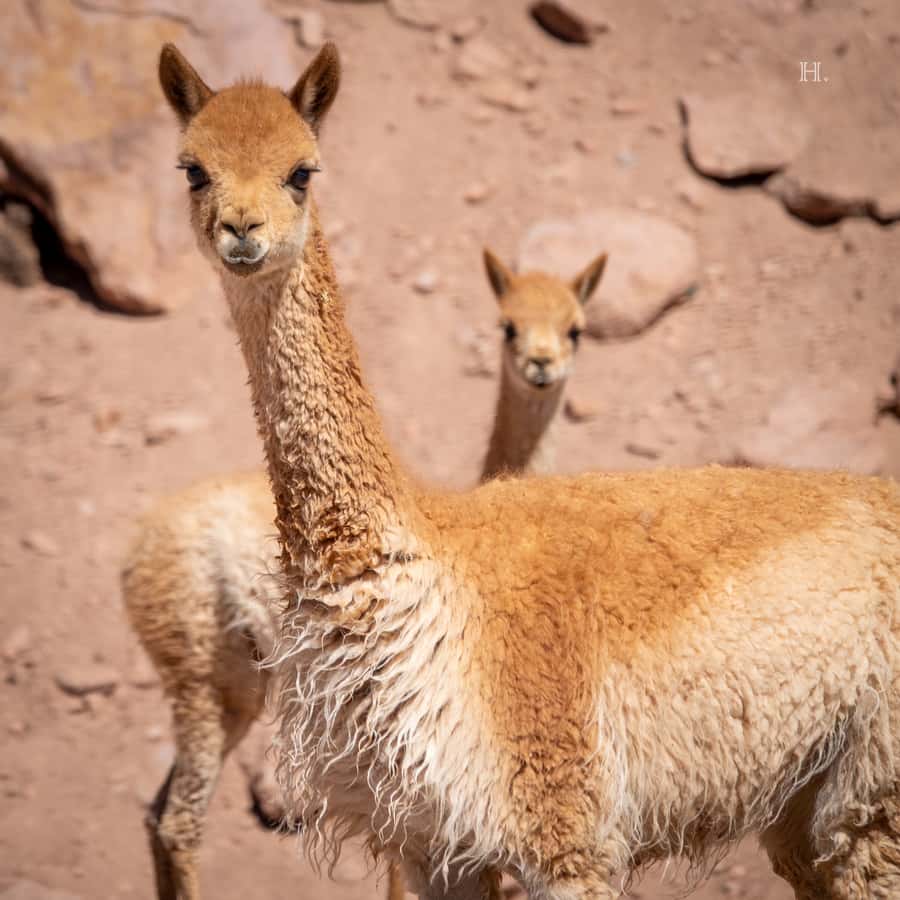
A wildlife tour lives or dies by the guide’s ability to find animals, and Juan Pablo receives the clearest praise attached to this experience. His strength is not only naming birds and mammals. He knows where to search and can help you see animals that your untrained eye misses.
That matters in Atacama. A vizcacha against a rocky slope may be almost invisible. A distant bird can look like a dark speck. A guide who understands the terrain can direct your attention to the right ledge, wetland edge, or patch of ground, then confirm the sighting through the scope.
Juan Pablo also adapts the outing to your interests. If you care most about birds, plants, animal behavior, or photography, you can tell him at the start. A solo participant had the trip continue even though no other guests joined, with extra time spent showing animals and plants. That sort of flexibility is a real benefit of a four-person limit.
His role also goes beyond wildlife. He can talk about San Pedro, the Atacama region, and Chile more broadly. That makes the drive more useful, especially if this is your first visit to northern Chile. You get a sense of place rather than a string of disconnected sightings.
The languages offered are English, Spanish, and Portuguese. That is helpful for mixed-language groups, though you should select or confirm the language you need when checking availability.
Photography help for beginners and experienced shooters
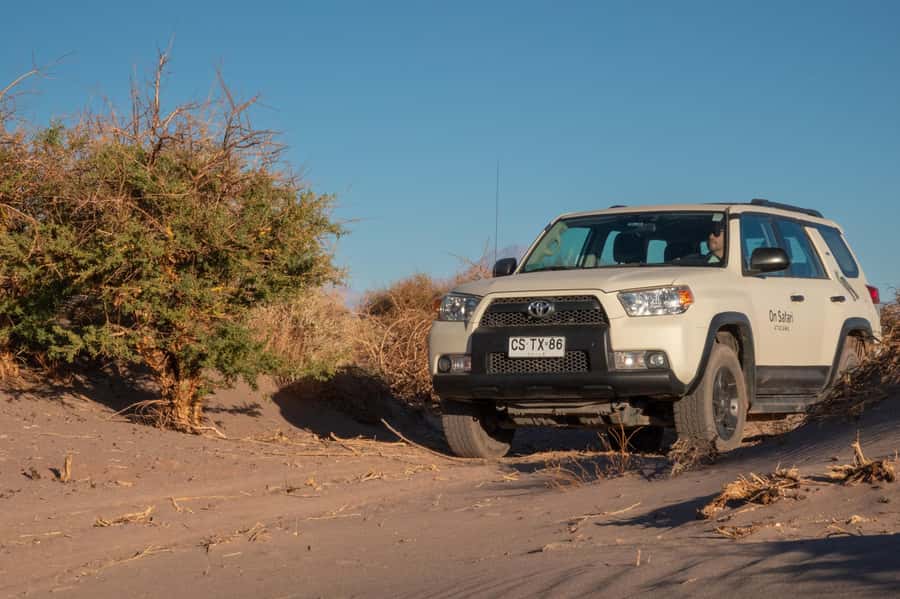
You do not need specialist equipment for this tour. The operator supplies binoculars, spotting scopes, field guides, and phone adapters. The phone adapter is a particularly practical touch because it lets you try digiscoping, using your phone through the scope for a closer image than the phone could capture alone.
If you bring a camera with a long lens, the scope still helps you locate subjects before you frame them. If you use only a phone, the guide’s equipment gives you a fair chance to record distant wildlife. Either way, the main value is seeing the animal clearly, not just snapping a tiny dot.
I would bring a fully charged phone or camera, but the supplied equipment means you are not required to own expensive gear. Wear shoes that are comfortable on rocky ground and a warm layer that you can keep on during the mountain drive. Add a hat and sunscreen. The sun at high altitude can be strong even when the air feels cold.
This is also a good tour for people who do not think of themselves as photographers. You can use the equipment simply to observe. The tour is suitable for all photography levels, but children under 12 are not allowed, so it is aimed at older children and adults.
What the $145 price includes
At $145 per person, this is not the cheapest way to see Atacama scenery. The value becomes clearer when you consider what is included: hotel pickup and drop-off, a bilingual fauna guide, a four-hour route, a group limited to four, binoculars, spotting scopes, phone adapters, and field guides.
A standard scenic outing may give you striking views, but it may not provide the same time or tools for identifying animals. Here, you are paying for a specialist focus and a small group. If four people join, the guide still has far more room to respond to individual questions than on a large bus tour.
The price makes most sense if wildlife is a main reason you came to the Atacama. It is also worthwhile for anyone who wants better photos without renting a telephoto lens or carrying extra equipment. If you only want volcano views and a quick scenic stop, a broader sightseeing tour may suit you better.
The reserve-now-and-pay-later option helps if you are arranging several high-altitude activities and want to keep your plans flexible. You can cancel up to 24 hours ahead for a full refund. Check the starting time before you commit, since the four-hour duration alone does not tell you whether the outing runs in the morning or later in the day.
Who should book this four-hour outing
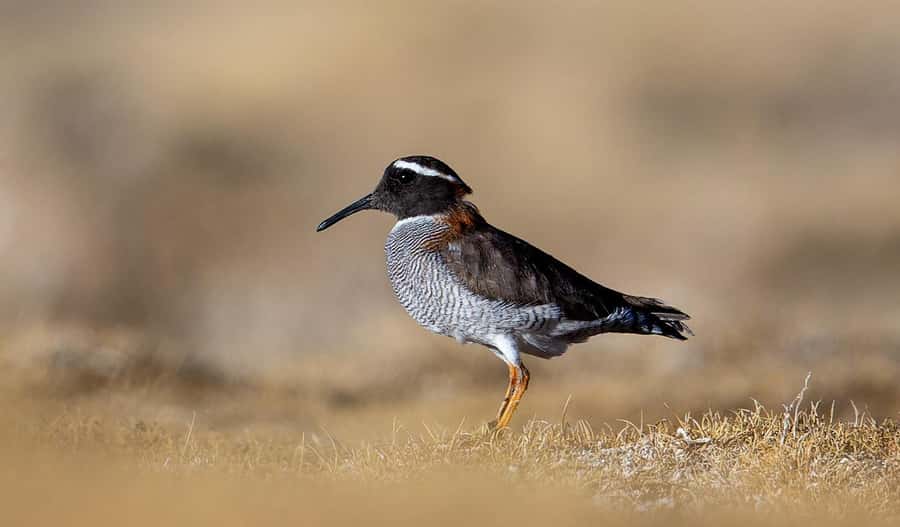
I would choose this tour if you enjoy quiet observation, local wildlife, and open mountain views. It works particularly well for:
- Birdwatchers who want flamingos and other wetland species.
- Photographers at any skill level.
- Couples or friends who prefer a group of four or fewer.
- Visitors who want a nature outing that feels less tied to the busiest sightseeing routes.
- Anyone curious about Atacama animals but unsure how to find them alone.
It may not be the right pick if you want a long trek, a full-day expedition, or a guaranteed list of species. Four hours gives you a focused sample of the highlands, not an exhaustive safari. The route includes a short hike, but much of the experience involves driving, scanning, and stopping at viewpoints.
The highland cold is another consideration. Bring the warm clothing listed for the outing, even if you leave San Pedro in comfortable weather. The hat and sunscreen are just as important, and comfortable shoes will make the Machuca walk easier.
Should you book the On Safari Atacama trip?
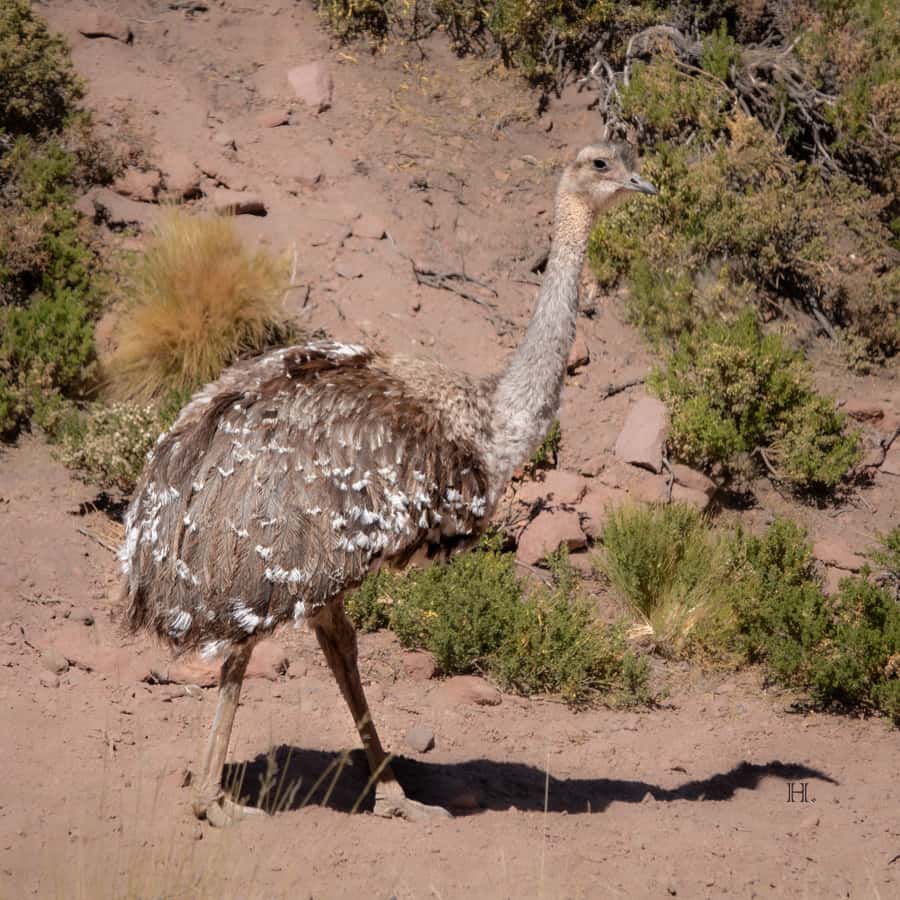
Book it if you want to understand the living side of the Atacama, not just photograph empty salt flats and volcanoes. The combination of Juan Pablo’s sharp animal-spotting skills, a four-person maximum, and supplied viewing equipment gives you a better chance of seeing small or distant wildlife clearly.
I would especially recommend it to photographers who want time for careful framing, and to first-time visitors who would not know where to search for vizcachas, vicuñas, guanacos, or highland birds. If your priority is a fast list of famous viewpoints, choose another outing. If you want to slow down, look twice, and learn what is hiding in the rocks and wetlands, the $145 price is reasonable.
FAQ
How long does the wildlife and photography tour last?
The tour lasts four hours.
Does the tour include hotel pickup and drop-off?
Yes. Pickup and drop-off at your hotel are included.
What wildlife might I see?
The route is designed to look for guanacos, vizcachas, vicuñas, flamingos, and other birds. Sightings are not guaranteed because the animals are wild.
Is photography equipment provided?
Yes. The tour includes spotting scopes with phone adapters, binoculars, and field guides covering fauna and birds.
What languages are available?
The live guide service is offered in English, Spanish, and Portuguese.
Can children join the tour?
No. The experience is not suitable for children under 12.
Just added around San Pedro de Atacama
- San Pedro de Atacama: Cejar Lagoon, Tebenquiche & Ojos Salar★ 3.9 · 3 reviews
- From San Pedro de Atacama: Small group to Moon Valley★ 5.0 · 3 reviews
- San Pedro de Atacama: Canyon Swimming Pools Trekking Trip★ 5.0 · 3 reviews
- San Pedro de Atacama: Rainbow Valley & Good Herbs Tour★ 4.3 · 3 reviews
- Full Desert. The most complete program you will find★ 3.2 · 3 reviews
- From San Pedro de Atacama: The Salt Flats Route, Full Day★ 3.7 · 3 reviews
- San Pedro de Atacama: Valle de la luna★ 3.0 · 3 reviews
- Valle de la Luna: A Moon-Like Escape in Atacama★ 5.0 · 3 reviews
San Pedro de Atacama Tours, compared.
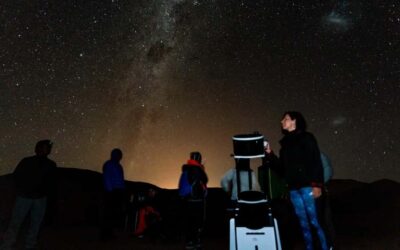
San Pedro de Atacama: Etno-Stargazing Tour with Transfer
Read our review →
Piedras Rojas, Altiplanics Lagoons & Salar Full-Day Tour
Read our review →
San Pedro de Atacama: 3-Day Activity Combo with 4 Tours
Read our review →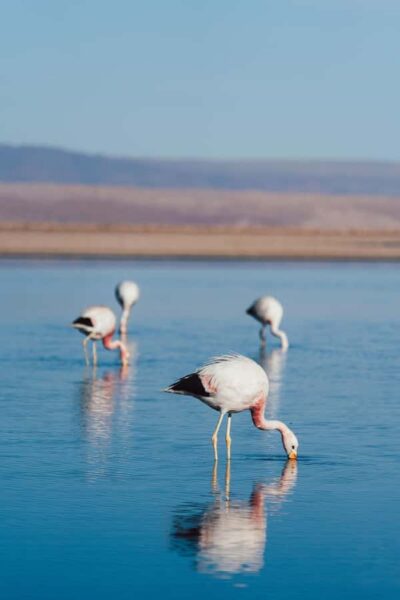
Triple tour: Red stones, highland lagoons and Chaxa Lagoon
Read our review →Browse the lists this tour appears in