
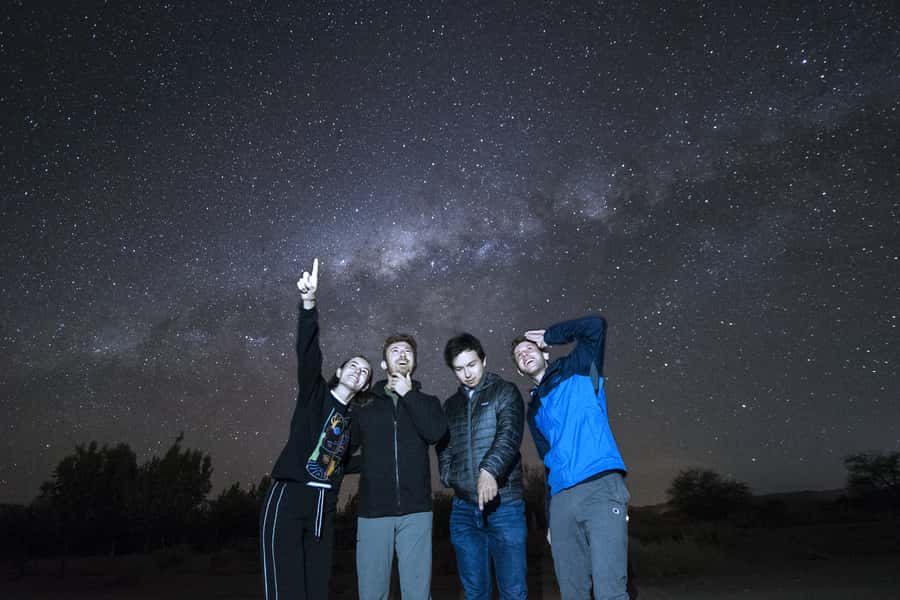
Reviewed · SAN PEDRO DE ATACAMA TOURS
San Pedro de Atacama: Stargazing Experience
The best part of this San Pedro de Atacama stargazing experience is the sky itself. Fifteen minutes outside town, the darkness opens up, and the Milky Way, Magellanic Clouds, planets, and star clusters become far easier to see than they are from town. Guides such as Alejandro and Alberto explain what you are looking at without turning the evening into a dry science lecture.
I like the hands-on telescope time, since you may see Saturn and its rings, Jupiter with several moons, nebulae, or distant galaxies. I also like the simple comforts: blankets, cushioned benches, hot chocolate, tea, coffee, and a snack. The main drawback is the cold. A full moon can also wash out some stars, and one or two people had trouble receiving their promised photograph.
Key points
- A short ride to real darkness: Leave San Pedro by van and reach the observation site in about 15 minutes.
- More than naked-eye stargazing: Use telescopes to view planets, binary stars, clusters, nebulae, and galaxies.
- Excellent southern-sky setting: Depending on the season, you may see the Milky Way, Magellanic Clouds, Saturn, Jupiter, Mars, and the Southern Pole.
- Strong guides: Alejandro, Alberto, Rafael, Connie, and other English- or Spanish-speaking guides bring science and old sky stories to life.
- Warm finish: Blankets, hot drinks, wine, pisco sour, juice, and a snack are included.
- Dress for desert night: Warm clothing, a jacket, and comfortable shoes are essential.
Why San Pedro is a superb place to study the stars
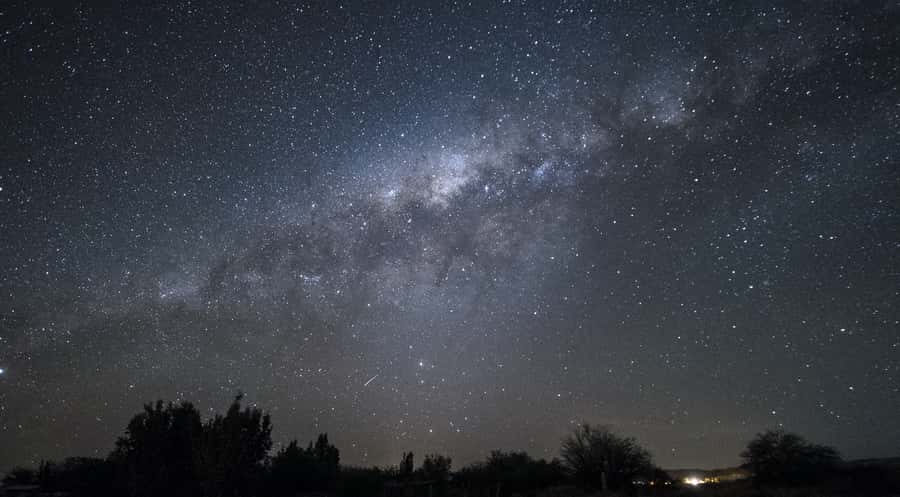
San Pedro de Atacama sits in one of the world’s great astronomy regions. The desert is dry, high, and far from major city lights. That matters because clear, dark air lets you see much more than a normal backyard sky.
The experience begins with the naked eye. This is important. You first learn to look up without equipment, pick out major constellations, and understand how the sky changes as the night moves on. A guide may show you how to find the Southern Pole, identify bright stars, or recognize a constellation that would be unfamiliar to someone used to northern skies.
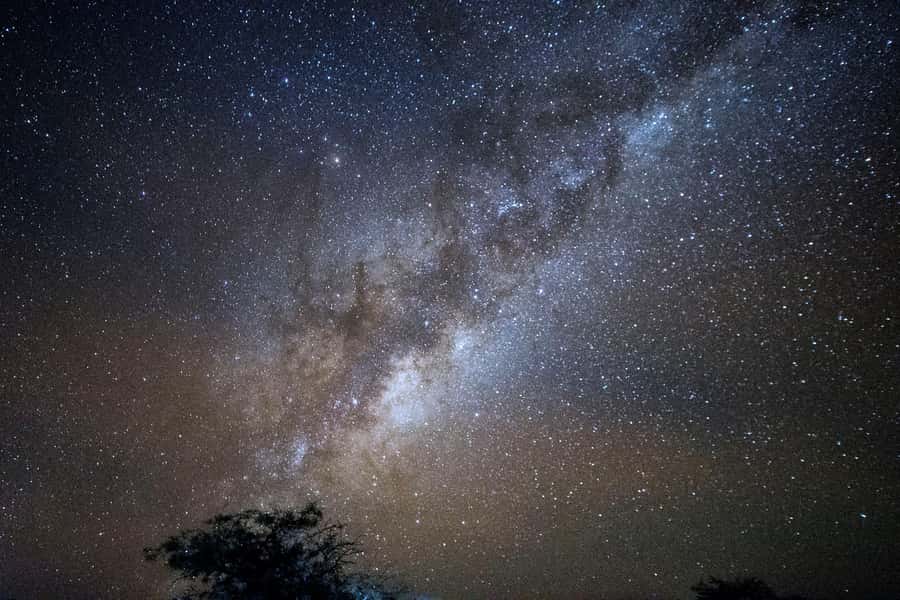
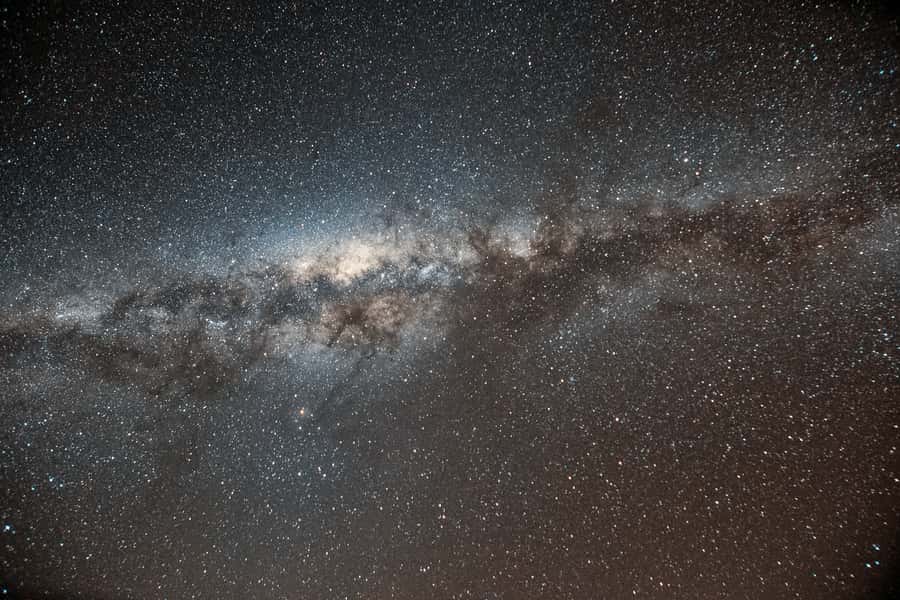
The southern sky is the real prize here. Depending on the date, you might see the Milky Way in sharp detail, the Magellanic Clouds, planets, star clusters, or a nebula. One especially rewarding possibility is seeing Saturn and its rings through a telescope. Jupiter may appear with several of its moons, while Mars and other bright planets can come into view at the right time of year.
You also get a little cultural history. The program includes a look at how Ancient Greece interpreted the heavens, linking the constellations you see today with old stories and early attempts to explain the universe. This gives the sky a human side, though I would have liked more attention to southern Indigenous astronomy and traditions beyond the Greek system.
More Stargazing Tours in San Pedro de Atacama
- San Pedro de Atacama: Etno-Stargazing Tour with Transfer
★ 4.8 · 629 reviews - Astronomical Tour with Guide and Pick Up San Pedro de Atacama
★ 4.5 · 145 reviews - “Astronomical Adventure in San Pedro de Atacama”
★ 4.5 · 96 reviews
A 15-minute ride from town to a dark desert site
You meet at a designated point in San Pedro de Atacama, with the exact pickup location depending on the option you book. From there, the van takes about 15 minutes to reach the viewing area.
That short transfer works in your favor. You do not lose half an evening to a long drive, but you still get away from the town’s lights. The road can be dark and dusty, so taking the arranged van makes good sense. One family followed the bus in a rental car and found the drive less comfortable than simply riding with the group.
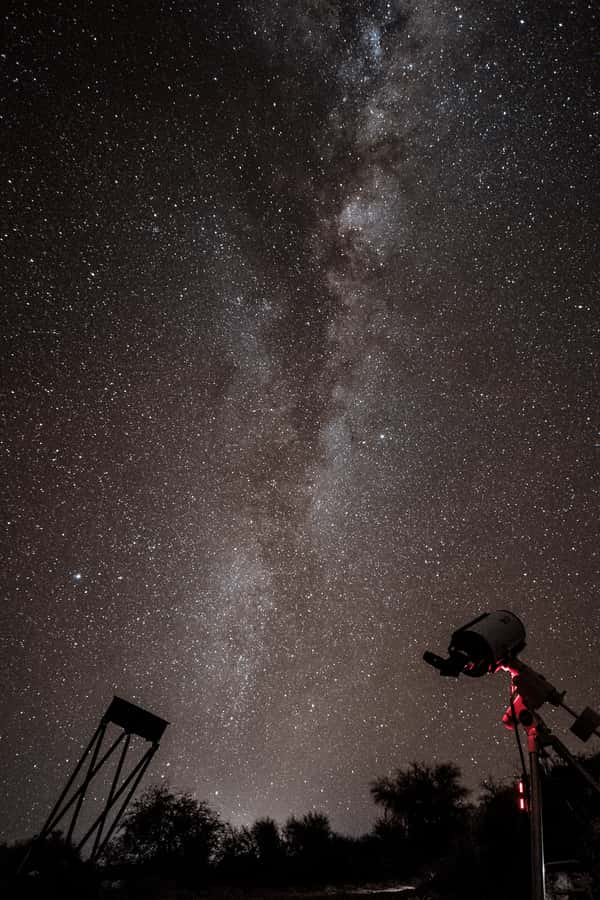
At the site, expect a short introduction before the main sky talk. The setup can include benches with cushions, blankets, telescopes, and space for the guide to point out objects above you. It is not a polished observatory visit with a large indoor building. The appeal is being outside, in the quiet desert, with the sky as your ceiling.
There is no bathroom included. Keep that in mind before leaving town, especially if you are booking a late evening departure or traveling with children.
The opening sky talk makes the stars easier to read
The first major part of the evening is an explanation of the night sky. A good guide turns random points of light into a map. You learn where to look, why some stars appear brighter, and how astronomers distinguish planets from stars.
The strongest guides make room for questions. Alejandro is praised for explaining the solar system with energy and clarity, while Alberto has been especially patient with children and beginners. Rafael is also noted for combining constellations, astronomy, and history, as well as offering useful tips for taking your own night photographs.
The guides work in English and Spanish. English ability can vary by guide, but the strongest feedback describes clear explanations and easy conversation. If astronomy is not your usual interest, tell the guide early. One person found the subject too detailed and less engaging than expected, so a little direction can help keep the talk at the right level for you.
The Greek material is appealing for many people, but it is not the whole story of the southern sky. If you want a strong focus on Andean or Indigenous astronomy, ask before booking. This experience leans toward general astronomy, Western constellation stories, and telescope viewing.
Telescopes turn points of light into real places
After the naked-eye session, you take turns at the telescopes. The guide adjusts the equipment for each person, which makes a real difference. You are not expected to know how to focus or line up the instrument yourself.
The objects available depend on the season, the time of night, and the moon. Possible targets include:
- Planets such as Saturn, Jupiter, and Mars
- Jupiter’s moons
- Binary stars
- Star clusters
- Nebulae
- Galaxies
- Bright individual stars
- The moon when it is visible
Seeing Saturn’s rings through a telescope is often the emotional high point. Jupiter can be equally exciting when its moons are visible. The Magellanic Clouds, two nearby galaxies visible from the Southern Hemisphere, are another special sight. One evening included the International Space Station and two shooting stars, but those are lucky extras, not guaranteed parts of the program.
A full moon changes the experience. Bright moonlight can hide fainter stars, but it gives you something excellent to view through the telescope. One evening near a full moon included Saturn, the Milky Way before moonrise, the Magellanic Clouds, and then a close look at the moon itself. If seeing the densest possible star field is your main goal, check the moon phase before you reserve.
Same base, a completely different landscape:
- San Pedro de Atacama: El Tatio Geysers Tour
★ 4.7 · 943 reviews - Piedras Rojas, Altiplanics Lagoons & Salar Full-Day Tour
★ 4.7 · 592 reviews - San Pedro Atacama: Baltinache Lagoons
★ 4.6 · 359 reviews - San Pedro de Atacama: Valle de la Luna Guided Tour
★ 4.4 · 312 reviews
Astrophotography gives you a useful souvenir
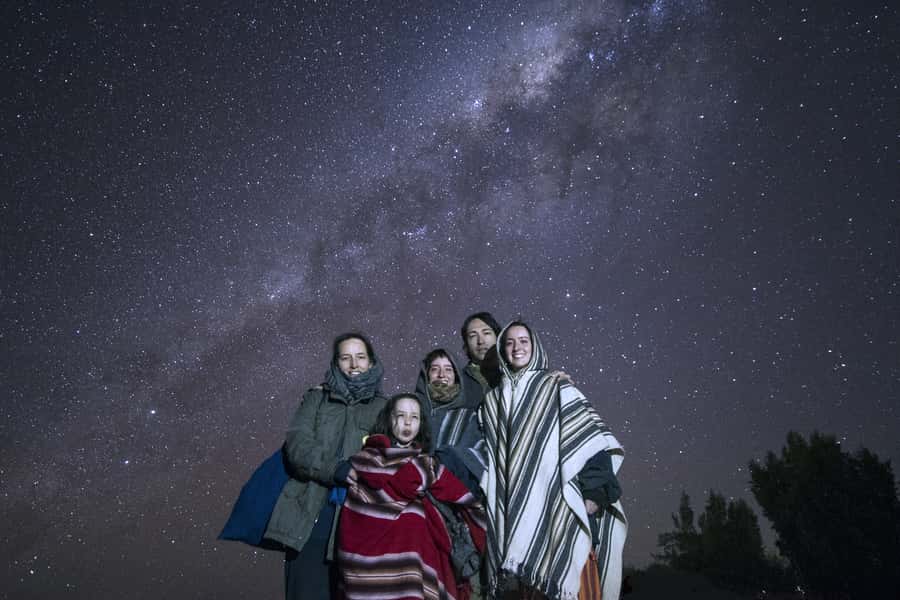
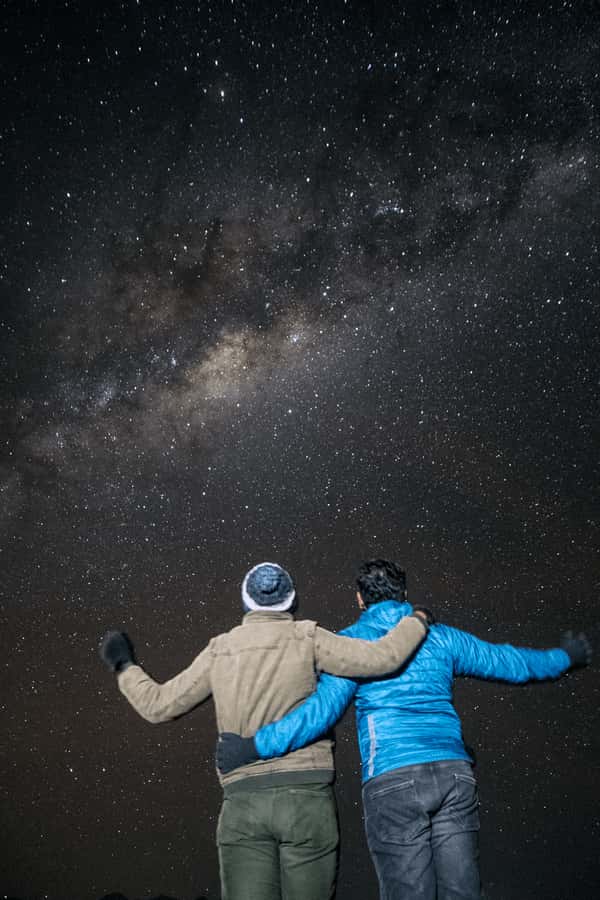
A photographer takes a picture of you beneath the night sky. The strongest photographs can show you in front of the Milky Way, making a far better souvenir than a hurried phone snapshot.
You also get advice on taking your own photographs. Bring your phone or camera if you want to experiment, but remember that night-sky photography needs patience and steady support. The guides can offer practical tips, though the included photograph is the easiest way to leave with a clear image of the experience.
There is one practical warning: confirm how and when the photograph will be delivered. Most accounts describe receiving a beautiful image, but at least two people reported that their photo never arrived and that follow-up messages went unanswered. I would save the provider’s contact details and check the delivery process before leaving the site.
Drinks, snacks, and blankets help with the cold
The hospitality is simple but useful. At the start, you may receive a cold drink such as juice, wine, or a pisco sour while your eyes adjust to the dark. Later, tea, coffee, or hot chocolate comes with a snack, often described as cake or a small sweet treat.
The drinks are not the reason to book, and one person found the welcome drink underwhelming. Still, the warm finish is welcome after standing or sitting outdoors in the desert night. Cushioned benches and blankets make the wait between telescope turns more comfortable.
Take the clothing advice seriously. Bring a warm jacket, several warm layers, and comfortable shoes. The desert can feel cold even after a hot day, and a blanket does not replace proper clothing. If you tend to chill easily, add a hat and gloves, though those extras are not listed as supplied.
Two and a half hours is a well-sized evening
The total duration is 150 minutes. About 30 minutes of that is transportation, with roughly 15 minutes each way. The remaining two hours are spent at the observation site with explanations, telescope viewing, photographs, drinks, and snacks.
That is enough time to see several objects without making the night feel endless. A small group can improve the experience because you get more chances to ask questions and less waiting at each telescope. A private option is also available, but it costs more, and the value depends on how strongly you want personal attention.
The schedule can vary according to moon conditions and the selected option. Starting times are not fixed in the basic information, so check availability for your date. The activity is not suitable for children under four or people over 80. Families with older children can do well, especially when the guide is patient and provides a step stool for shorter children at the telescope.
Is $35 a fair price?
At $35 per person, the experience offers solid value if you want a guided introduction rather than simply sitting outside and looking up. The fee includes transport, a live guide, telescope use, drinks, a snack, blankets, and astrophotography. Buying each part separately would be difficult, and the guide’s ability to identify what you are seeing is central to the experience.
Prices can vary by booking method. One person found the online price roughly one third higher than buying locally in San Pedro. If you have flexible plans and time to compare prices in town, do so. The online option gives you convenience, advance planning, free cancellation up to 24 hours before departure, and the ability to reserve without paying immediately, but convenience may cost extra.
For a first astronomy outing, $35 is reasonable. For a private tour, compare carefully, since the cost can rise sharply for only two people. I would spend more only if you have a strong interest in astronomy or want a quieter, more personal session.
Who will enjoy this most?
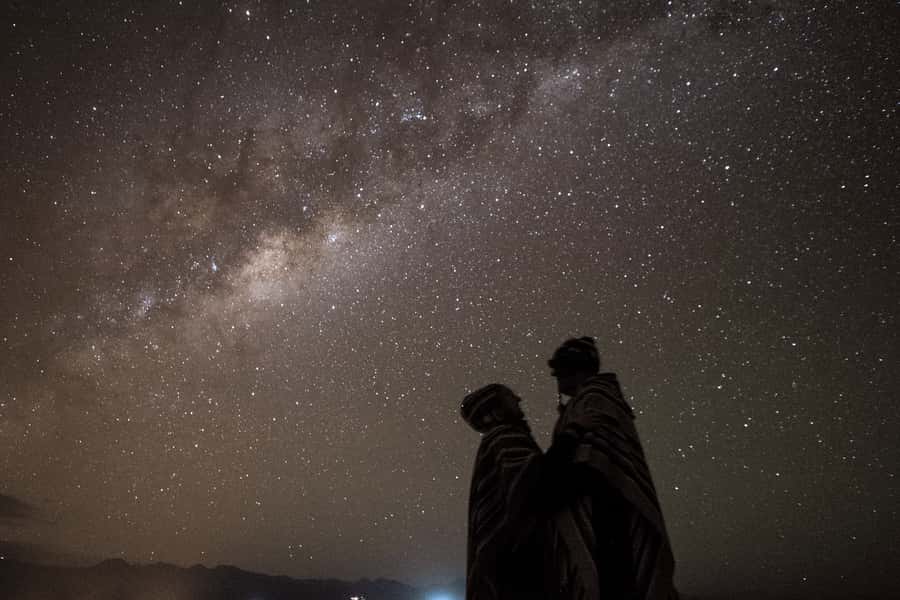
I would choose this for anyone who has never seen the Milky Way clearly, anyone curious about planets, and families with children old enough to stay outside in the cold. You do not need an astronomy background. The guides explain the basics before moving to the telescopes, and questions are welcome.
It also suits photographers who want a portrait beneath the stars and practical advice for their own camera. The included image gives you a dependable souvenir, while the open sky provides plenty of time for personal photographs.
This is less ideal if you dislike technical explanations, become uncomfortable in cold weather, or expect a fast-moving sightseeing trip. The evening is calm and mostly stationary. You sit, listen, wait your turn, and look through a telescope. That pace is part of the charm, but it will not suit everyone.
The experience is also not a guarantee of a perfect star field. Clouds, moonlight, seasonal visibility, and the natural limits of the night can affect what you see. San Pedro gives you excellent conditions, not control over the heavens.
Small details that make the evening work
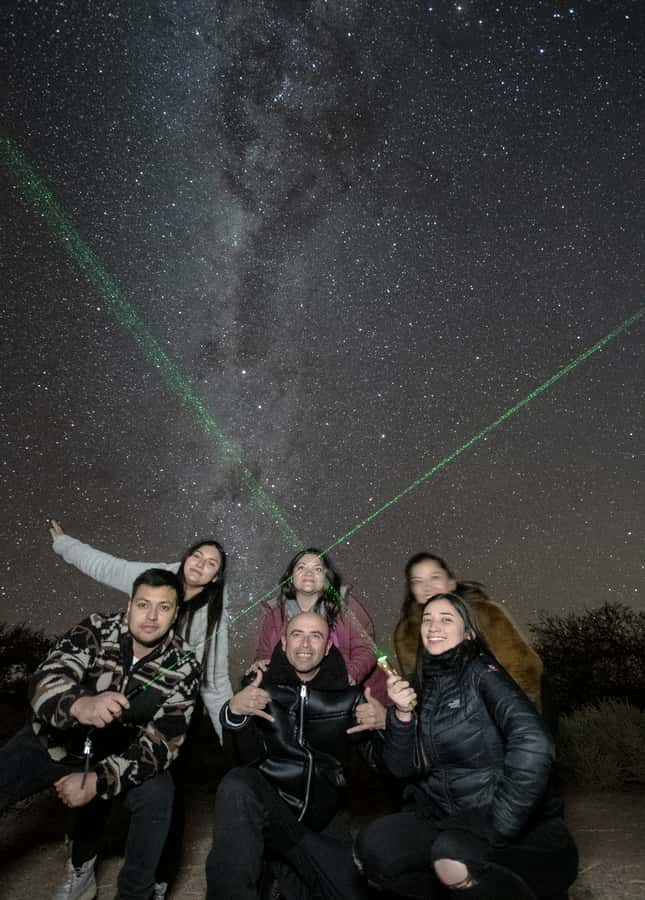
The guides are the heart of the program. Alejandro is repeatedly singled out for his enthusiasm and clear teaching, while Alberto is praised for his patience, including with children. Connie is remembered for her friendly approach, and Rafael for useful photography advice.
The telescope routine is another strength. Re-adjusting the telescope after each person looks means you are more likely to get a sharp view. A step stool for children is a small but thoughtful touch.
Transportation is easy when you use the arranged van, and the return can include several drop-off points in San Pedro de Atacama. Exact pickup and drop-off details depend on the option booked, so check them before departure rather than assuming the van stops directly at your lodging.
Should you book the San Pedro stargazing experience?
Book it if the clear southern sky is one of the reasons you came to the Atacama. The combination of a short drive, strong astronomy guides, telescope viewing, a Milky Way photograph, and warm drinks gives you much more than an unstructured look at the stars.
I would book close to a moon phase that matches your goal. Choose darker nights for the largest number of faint stars and galaxies. Choose a moonlit night if you want the moon itself to be part of the show and do not mind losing some background stars.
At $35, it is a good introduction, especially for first-time stargazers and families with older children. Compare local prices if your schedule allows, dress more warmly than you think necessary, and confirm the photo delivery details. With those cautions handled, this is one of San Pedro de Atacama’s most worthwhile evening activities.
FAQ
Where does the stargazing experience take place?
You meet at a designated point in San Pedro de Atacama and travel about 15 minutes by van to an observation site outside the town center.
How long does the activity last?
The full experience lasts 150 minutes, including approximately 15 minutes of transportation each way and about two hours at the observation site.
What can I see through the telescopes?
Depending on the season and conditions, you may view planets, stars, binary stars, stellar clusters, nebulae, and galaxies. The moon may also be viewed when it is visible.
Is the Milky Way visible?
The Atacama’s dark skies can offer excellent views of the Milky Way. Moonlight and seasonal conditions affect how many faint stars you can see.
Are drinks and food included?
Yes. The experience includes wine, pisco sour, juice, tea, coffee, hot chocolate, and a snack.
Are blankets provided?
Yes. Blankets are included, but you should still bring warm clothing and a jacket because desert nights can be very cold.
Is transportation included?
Yes. The experience includes van transportation between the meeting point in San Pedro de Atacama and the observation site.
Is the tour offered in English?
Yes. Live guides are available in English and Spanish.
Can I cancel or pay later?
You can cancel up to 24 hours in advance for a full refund. A reserve-now, pay-later option is also available, depending on the booking choice.
Just added around San Pedro de Atacama
- From San Pedro de Atacama: Small group to Moon Valley★ 5.0 · 3 reviews
- San Pedro de Atacama: Cejar Lagoon, Tebenquiche & Ojos Salar★ 3.9 · 3 reviews
- San Pedro de Atacama: Canyon Swimming Pools Trekking Trip★ 5.0 · 3 reviews
- San Pedro de Atacama: Rainbow Valley & Good Herbs Tour★ 4.3 · 3 reviews
- Full Desert. The most complete program you will find★ 3.2 · 3 reviews
- From San Pedro de Atacama: The Salt Flats Route, Full Day★ 3.7 · 3 reviews
- San Pedro de Atacama: Valle de la luna★ 3.0 · 3 reviews
- Valle de la Luna: A Moon-Like Escape in Atacama★ 5.0 · 3 reviews
San Pedro de Atacama Tours, compared.
San Pedro de Atacama: Etno-Stargazing Tour with Transfer
Read our review →
Piedras Rojas, Altiplanics Lagoons & Salar Full-Day Tour
Read our review →
San Pedro de Atacama: 3-Day Activity Combo with 4 Tours
Read our review →
Triple tour: Red stones, highland lagoons and Chaxa Lagoon
Read our review →
Browse the lists this tour appears in