
Reviewed · SAN PEDRO DE ATACAMA TOURS
Roundtrip to the Uyuni Salt Flat and the Colored Lagoons
The big draw here is the sheer variety. In four days, you cross the Uyuni Salt Flat, watch flamingos at high-altitude lagoons, pass volcanoes near 6,000 meters, and soak at Laguna Polques. You get far more than a quick salt-flat photo stop.
I like the small 4×4 groups, capped at six people, and the family-run feel of the overnight stays. Zima, one guide associated with a departure, was praised for explaining sights in both Spanish and English and for making the long drives feel personal. The catch is altitude: much of the route sits between 3,600 and 5,000 meters, with early starts, basic facilities, and no room for casual packing.
Key points to know before booking
- Uyuni is only part of the story: The route also includes Laguna Colorada, Siloli Desert, Salvador Dali Desert, geysers, hot springs, and Andean wildlife.
- Expect serious altitude: The tour reaches up to about 5,000 meters, and it is not suitable for people with altitude sickness or certain pre-existing medical conditions.
- Small groups matter: You travel by 4×4 with up to six people, which makes long road days easier to manage than a large coach trip.
- Accommodation is simple but memorable: You spend nights in a family hostel and a salt hostel, with shared facilities on some nights.
- Bring cash and supplies: Park, island, border, bathroom, and shower fees are extra, and snacks and bottled water are not included.
- Language needs checking: The listed live guide language is Spanish, while drivers are described as having basic English. Some departures, including one led by Zima, have offered explanations in both languages.
Why this four-day route earns its keep
At $458 per person, this is not a bargain day trip, but it covers the costly parts of a remote high-altitude journey: transport from San Pedro de Atacama to the Chilean-Bolivian border, transport back to San Pedro, three nights of lodging, nine included meals, and a private 4×4 vehicle shared by no more than six people.
The value comes from distance and variety. You are not simply driven to the salt flat, given an hour for photographs, and returned to town. The route reaches remote parts of Bolivia’s Potosí Department, where roads, services, and mobile coverage can be limited. A local family business also gives the trip a more personal feel than a large commercial coach operation.
Still, budget for extras. The Eduardo Avaroa Protected Area fee is listed as 150 Bs, Polques Hot Springs costs 6 Bs, Incahuasi Island costs 30 Bs, and the border tax is 17 Bs. Bathroom use along the route costs about 20 Bs, while hot showers on the second and third nights cost about 20 Bs. These prices can change, so you should carry enough Bolivian currency for several small payments.
You also need to buy your own snacks and bottled water. Airport transfers, personal expenses, and travel insurance are not included. The tour price is fair for the coverage, but it is not an all-inclusive package.
More Lagoon Trips in San Pedro de Atacama
- Piedras Rojas, Altiplanics Lagoons & Salar Full-Day Tour
★ 4.7 · 592 reviews - San Pedro Atacama: Baltinache Lagoons
★ 4.6 · 359 reviews - Triple tour: Red stones, highland lagoons and Chaxa Lagoon
★ 4.7 · 219 reviews
Crossing from San Pedro into Bolivia
The journey includes a minibus transfer from San Pedro de Atacama to Hito Cajon, the Chilean-Bolivian border, plus a return transfer at the end. You must pass through both Chilean and Bolivian border controls, so keep your passport and any required visa easy to reach.
Pickup is included, and you should wait in your hotel lobby 30 minutes before the scheduled time. The driver waits no more than five minutes after pickup, so this is not the morning to wander off in search of coffee.
The border crossing is an important practical point. Check your visa needs before booking, and do not pack your passport in your main luggage. The supplied information says the tour is wheelchair accessible, but the rough-road setting, high altitude, basic hostels, and repeated vehicle transfers make it wise to confirm your exact needs before departure.
The 4×4 journey through the Andean Altiplano
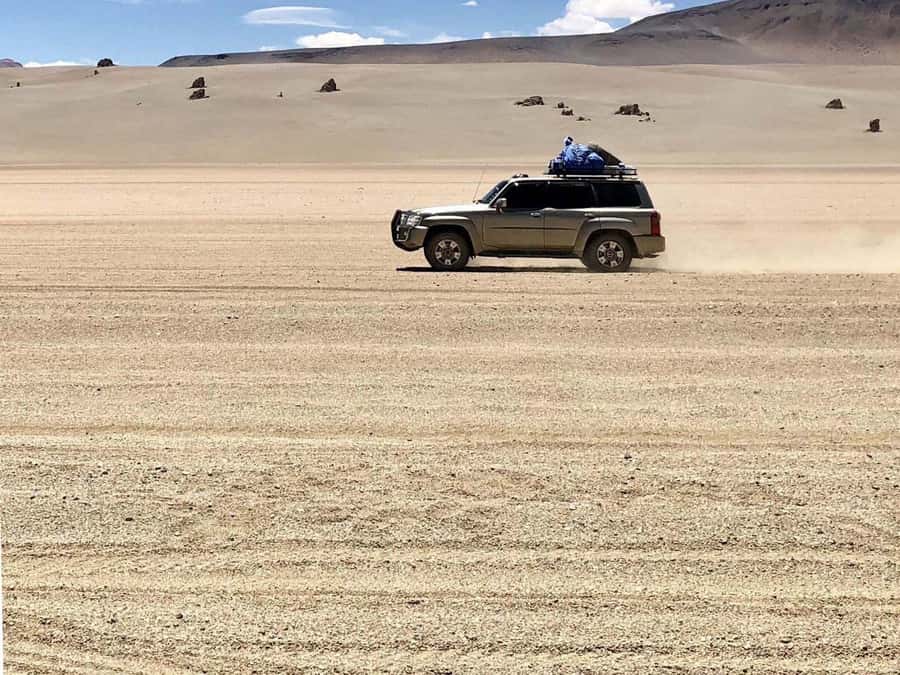
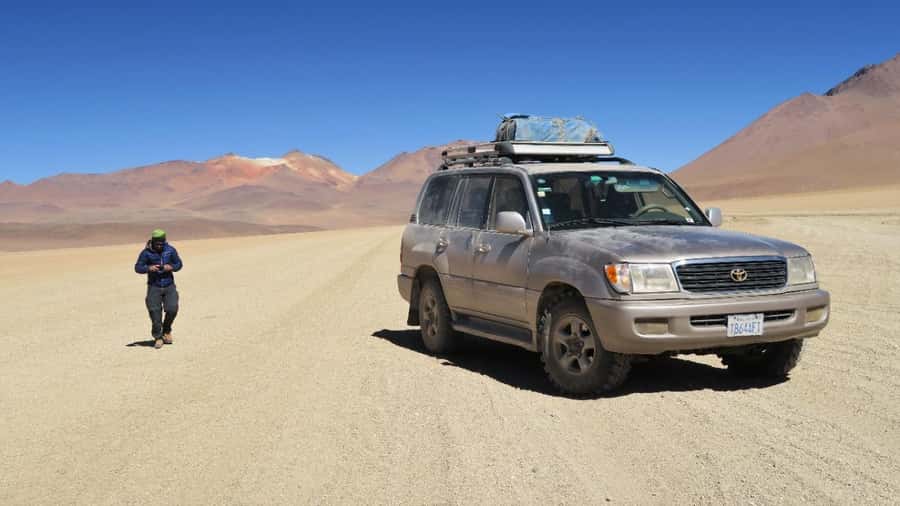
Once you switch to a 4×4, the trip becomes a road journey across a huge, spare part of the Andes. Each car carries up to six people, with a local Spanish-speaking driver-guide. Basic English is available from the driver, but the official guide language is Spanish.
That language detail matters. If you need full explanations in English, ask exactly who will guide your departure. Zima was specifically praised for speaking Spanish and English and for taking time to explain the sights. That sounds ideal, but guide assignments may differ, so do not assume every vehicle offers the same level of English.
The 4×4 is the right kind of transport for this route. A minibus would not give you the same access to remote lagoons, deserts, and rough tracks. On the other hand, you should expect long stretches on uneven roads. Comfortable clothing, sturdy shoes, and patience will help more than fancy luggage.
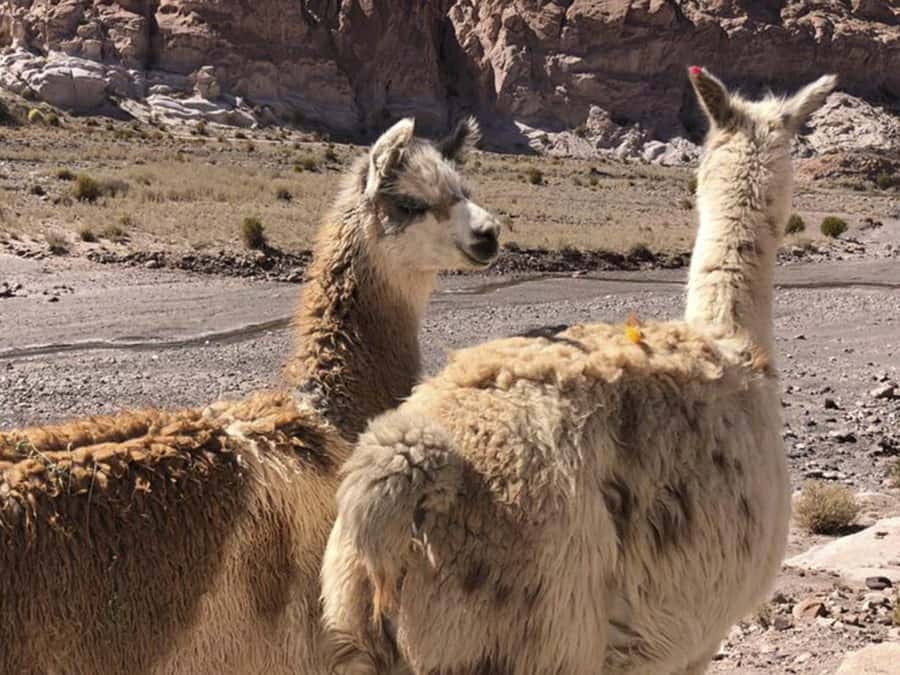
The scenery changes constantly. You might see vicuñas moving across the open plain, flamingos feeding in cold mineral-rich water, and volcanoes rising above the plateau. The tour highlights Licancabur, Ollague, and Tunupa, with walking and viewing areas near peaks that reach close to 6,000 meters.
You are not climbing those volcanoes on this tour. The point is the high-altitude setting and the views, but even a short walk can feel hard at 4,000 to 5,000 meters. Move slowly, drink water, and tell your guide if you feel unwell.
Salt hotels and the first night near Villamar
The overnight stays are part of the character of this trip. The first and third nights are at a Villamar family hostel in a shared room with a shared bathroom. The second night is in a private double room at a salt hostel.
A salt hostel is exactly the kind of place that makes this route different from a standard sightseeing circuit. Salt is used in the building, giving the stay a direct link to the region’s most famous natural resource. You should think of it as a memorable highland stop, not a full-service hotel.
The shared rooms and bathrooms at Villamar keep costs down, but they also reduce privacy. Hot showers are not included on the second and third nights, and cost about 20 Bs when available. Bathroom access along the road is also basic and usually costs about 20 Bs.
Pack toilet paper, a small towel, toiletries, and hand sanitizer. These are the unglamorous items that make remote travel much easier. One useful improvement would be clearer advance advice about how much cash, toilet paper, and towels to bring, so you should prepare those items yourself.
Same base, a completely different landscape:
- San Pedro de Atacama: El Tatio Geysers Tour
★ 4.7 · 943 reviews - San Pedro de Atacama: Etno-Stargazing Tour with Transfer
★ 4.8 · 629 reviews - San Pedro de Atacama: Stargazing Experience
★ 4.7 · 489 reviews - San Pedro de Atacama: Valle de la Luna Guided Tour
★ 4.4 · 312 reviews
Day one: lagoons, flamingos, and the Eduardo Avaroa reserve
The first full day takes you into the high Andean zone and the Eduardo Avaroa Protected Area. The park fee is extra, listed at 150 Bs, and gives access to some of the most striking sights on the route.
Lagunas Blanca and Polques bring water into an otherwise dry setting. Their pale colors, mineral edges, and distant volcano views make them excellent stops for photographs, but the cold and wind can be sharp. Bring layers you can add or remove without unpacking your whole bag.
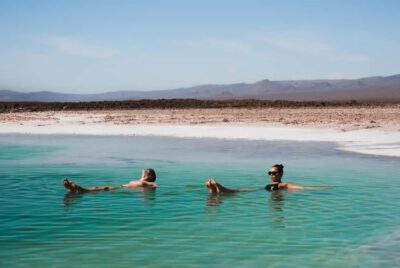
Laguna Polques is also known for its natural hot springs. The 6 Bs entry fee is not included, but it is a small price for a warm soak in such a cold setting. You will want a swimsuit, towel, and warm clothes ready. Do not expect a spa complex. This is a simple natural stop in a remote area.
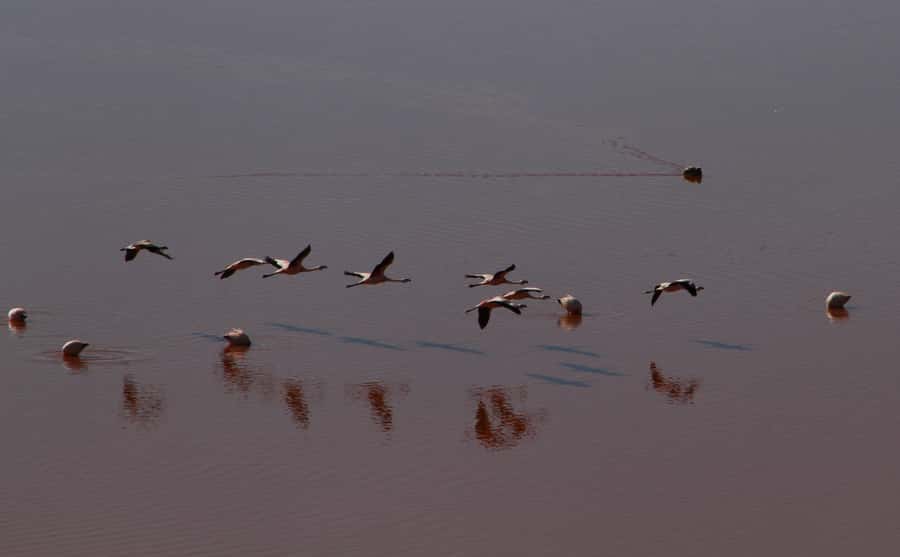
The high lagoons are also a chance to see flamingos. Their presence gives the route life and color, while vicuñas add a distinctly Andean touch. The animals are wild, so sightings are never guaranteed, but the tour is built around the places where you have a chance to see them.
Day two: Sol de la Mañana and the red water of Laguna Colorada
Sol de la Mañana is a geyser field, and it is one of the most unusual stops on the route. Steam and volcanic activity give the ground a raw, unsettled look. The visit is usually paired with an early start, so expect a cold morning and keep your warmest layer close.
This is not a polished park with railings and signs at every turn. Stay close to your guide and watch your footing. At altitude, cold air and thin air can make a short walk feel more demanding than expected.
The day also brings the Siloli Desert, known for strange rock shapes and wide, empty views. The desert setting works well beside the bright lagoons because the colors and textures keep changing. You might see red, brown, white, and ochre tones within the same stretch of road.
Laguna Colorada is the signature stop. Its red color comes from minerals and microscopic life in the water, while flamingos often feed in the shallows. The effect can look almost unreal, but it is also a working natural environment, so keep your distance from wildlife and follow local access rules.
You sleep at the salt hostel this night in a private double room. That is the most private accommodation on the route, though hot showers cost extra. After a cold day outside, you may decide the shower is worth the additional 20 Bs.
Day three: Salvador Dali Desert and a return to Villamar
The third day brings another major change in scenery: the Salvador Dali Desert. Its name comes from the strange, scattered rock forms and the wide, barren setting that can remind you of surrealist art.
The appeal here is not one single monument. It is the combination of open space, unusual rock shapes, volcano views, and the feeling of being far from towns. The area is best appreciated slowly, with time to look rather than rush from one marked attraction to another.
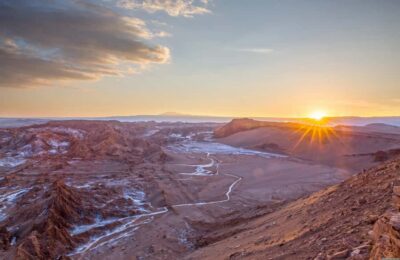
You may also see Licancabur or Ollague in the distance, depending on the exact route and conditions. These volcanoes help explain the scale of the Altiplano. At this height, even a modest rise in the road can reveal a much bigger horizon.
The third night returns you to a Villamar family hostel, again in a shared room with a shared bathroom. This repeat stay helps the route work as a loop, but it also means you should be ready for basic facilities again. Keep a small overnight bag accessible so you do not need to unpack your main luggage after each long drive.
Day four: Incahuasi Island and the great white salt flat
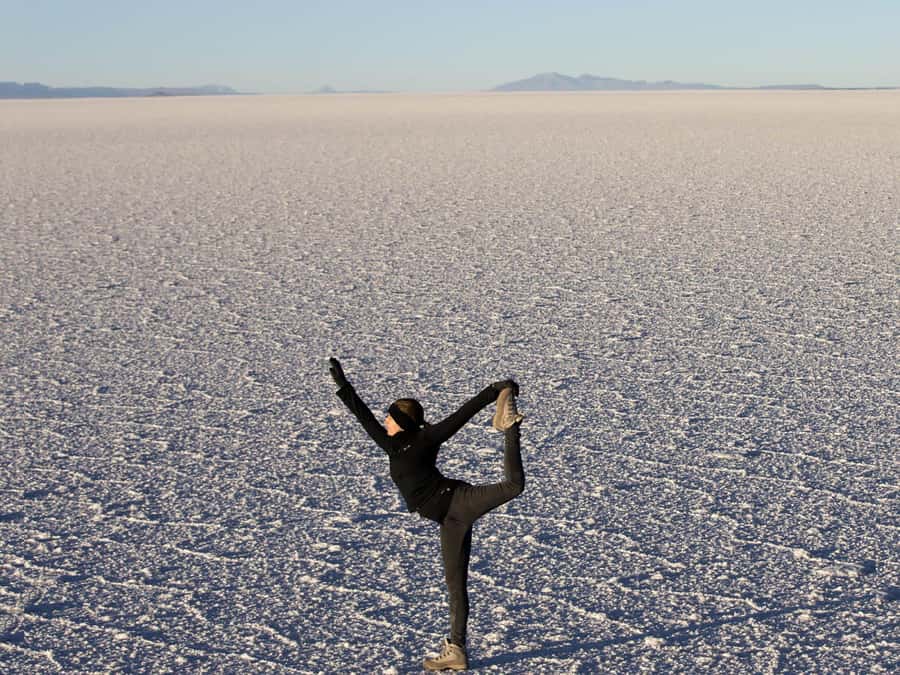
The final day focuses on Uyuni Salt Flat, the world’s largest. The scale is hard to grasp from a single viewpoint. White salt stretches outward in every direction, creating a clean, bright setting that changes with the season and weather.
Incahuasi Island provides a contrasting stop. The island rises from the flat and is known for its distinctive giant cacti. Entry costs 30 Bs, not included in the tour price. Allow for the short walk and strong sun, even when the air feels cool.
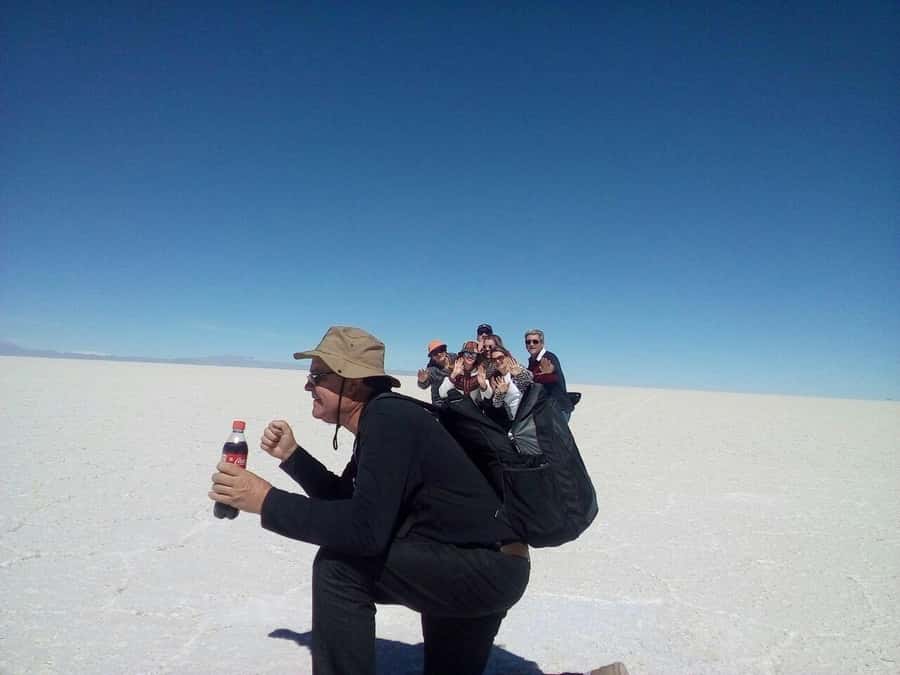
The salt flat is the place for playful perspective photographs because the white surface can make distance and size difficult to judge. Your guide can help with the usual photo tricks, but the broader experience is less about one staged image and more about seeing the flat’s vastness.
The route ends with a minibus transfer back toward San Pedro de Atacama through Hito Cajon. Airport transfers are not included, so do not plan a tight connection unless you have confirmed the timing directly. Remote border travel can take longer than a map suggests.
Meals, packing, and staying comfortable
Four breakfasts, three lunches, and three dinners are included. One departure was praised for good vegetarian food, so vegetarian meals appear possible, but you should state dietary needs before leaving rather than assume every preference can be handled automatically.
The most useful packing list is short and practical:
- Passport and required visa
- Warm layers, including gloves and a hat
- Comfortable shoes with a firm sole
- Sunscreen and sunglasses
- Swimsuit and towel for the hot springs
- Toilet paper and basic toiletries
- Snacks and bottled water
- Bolivian cash for entrance fees, bathrooms, showers, and border costs
Layering matters more than bringing one giant coat. The days can include bright sun, cold wind, freezing mornings, and warm spring water. You will be glad to adjust your clothing as conditions change.
Altitude is the main health concern. The route reaches from roughly 3,600 to 5,000 meters, and the tour is not suitable for pregnant women, people with altitude sickness, or people with pre-existing medical conditions. If you have any medical concern, ask a qualified professional before booking.
Who should book this salt-flat expedition?
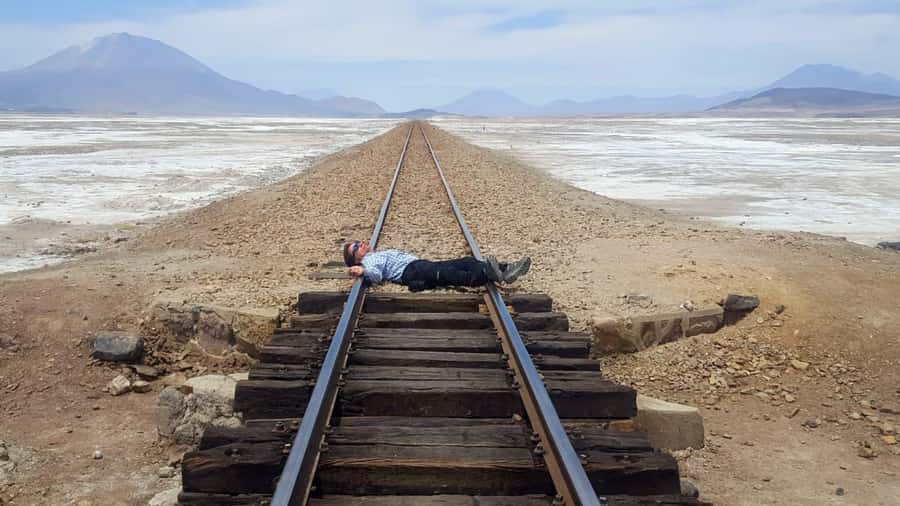
I would choose this trip if you want the full highland experience rather than a quick visit to the salt flat. It suits people who enjoy remote scenery, wildlife, long 4×4 drives, simple accommodation, and a packed four-day route.
It is also a strong choice for anyone starting in San Pedro de Atacama and wanting to continue into Bolivia without arranging separate border transfers and lodging. The small group size gives the journey a more personal feel and limits the number of people sharing each vehicle.
I would hesitate if you need private bathrooms every night, reliable hot showers, a fully English-speaking guide, or a relaxed schedule. The route is demanding, and the early starts and altitude are not minor details. You should also be comfortable carrying extra cash and managing your own snacks and water.
The cancellation policy gives you some flexibility: you can cancel up to 24 hours in advance for a full refund, and you can reserve now and pay later. Those terms are useful when border plans or high-altitude health concerns are still being sorted out.
Should you book it?
Book this tour if you want one well-organized route covering Uyuni, the colored lagoons, geysers, deserts, hot springs, wildlife, and salt hotels. The $458 price is reasonable once you count the 4×4, border transfers, lodging, meals, and small group size.
Before paying, confirm three things: the guide’s English level, the exact pickup and border timing, and what you should bring for water, cash, towels, and toilet paper. If you can handle basic accommodation and high altitude, this is a memorable way to see the Bolivian Altiplano beyond the famous salt-flat photograph.
FAQ
How long does the Uyuni and colored lagoons tour last?
The tour lasts four days.
Where does the tour start and finish?
It includes a minibus transfer from San Pedro de Atacama to Hito Cajon on the Chilean-Bolivian border, and a return minibus transfer from Hito Cajon to San Pedro de Atacama.
How many people travel in each 4×4?
Each 4×4 carries a group of up to six participants.
What languages are available?
The listed live tour guide language is Spanish. The local driver-guide is described as speaking Spanish with basic English. Zima has also guided a departure with explanations in both Spanish and English.
What accommodation is included?
The first and third nights are in a shared room with a shared bathroom at a Villamar family hostel. The second night is in a private double room at a salt hostel.
Are meals included?
Yes. The tour includes four breakfasts, three lunches, and three dinners.
Are park and attraction fees included?
No. The listed extra costs include the Eduardo Avaroa Protected Area at 150 Bs, Polques Hot Springs at 6 Bs, Incahuasi Island at 30 Bs, and a border tax at 17 Bs. Prices can change.
Is the tour suitable for someone with altitude sickness?
No. The tour is not suitable for people with altitude sickness. The route reaches elevations from about 3,600 to 5,000 meters, so you should also consider any pre-existing medical condition before booking.
Can I cancel or pay later?
You can cancel up to 24 hours before the activity for a full refund. The reserve-now, pay-later option lets you book without paying immediately.
More Salt Flat & Lagoon Swims in San Pedro de Atacama
- Half-Day Tour to Laguna Cejar
★ 5.0 · 54 reviews - Cejar Lagoon Tour: San Pedro de Atacama
★ 4.5 · 26 reviews - Cejar Lagoon, Tebenquiche Lagoon and Ojos del Salar
★ 4.8 · 17 reviews - Salar de Atacama and altiplanic lagoons
★ 4.2 · 15 reviews
Just added around San Pedro de Atacama
- San Pedro de Atacama: Cejar Lagoon, Tebenquiche & Ojos Salar★ 3.9 · 3 reviews
- From San Pedro de Atacama: Small group to Moon Valley★ 5.0 · 3 reviews
- San Pedro de Atacama: Canyon Swimming Pools Trekking Trip★ 5.0 · 3 reviews
- San Pedro de Atacama: Rainbow Valley & Good Herbs Tour★ 4.3 · 3 reviews
- Full Desert. The most complete program you will find★ 3.2 · 3 reviews
- From San Pedro de Atacama: The Salt Flats Route, Full Day★ 3.7 · 3 reviews
- San Pedro de Atacama: Valle de la luna★ 3.0 · 3 reviews
- Valle de la Luna: A Moon-Like Escape in Atacama★ 5.0 · 3 reviews
San Pedro de Atacama Tours, compared.
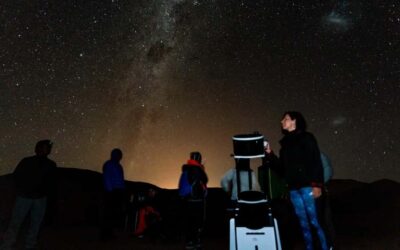
San Pedro de Atacama: Etno-Stargazing Tour with Transfer
Read our review →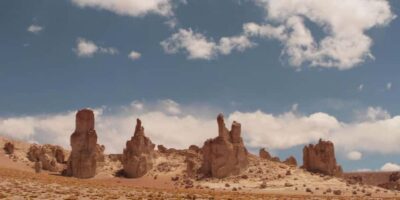
Piedras Rojas, Altiplanics Lagoons & Salar Full-Day Tour
Read our review →
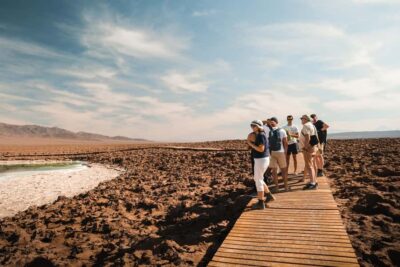
San Pedro de Atacama: 3-Day Activity Combo with 4 Tours
Read our review →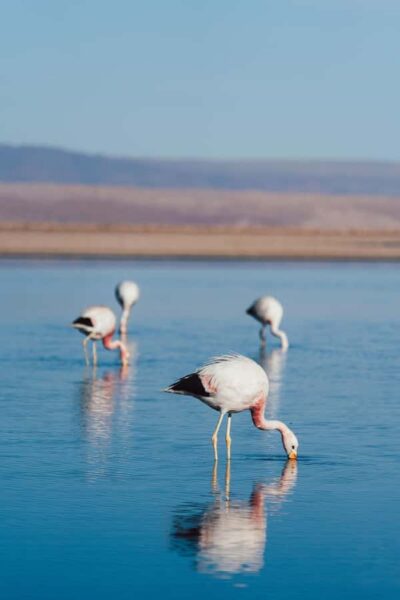
Triple tour: Red stones, highland lagoons and Chaxa Lagoon
Read our review →Browse the lists this tour appears in