
Reviewed · SAN PEDRO DE ATACAMA TOURS
From San Pedro de Atacama: 3 days to Uyuni Salt Flat
The great appeal here is the sudden change from Chilean desert to Bolivia’s high-altitude world of colored lagoons, steaming geysers, volcanoes, and salt. In three days, you reach the major sights of the Eduardo Avaroa Andean Fauna National Reserve, then watch sunrise on the Salar de Uyuni. It is a packed route, but the scenery keeps changing.
I like the small group of up to 10 people and the sensible switch from minibus to a six-person 4×4 at the border. I also like that meals, lodging, and transport are included in the $340 price. The main caution is comfort: bathrooms can be poor, rooms have no heating or internet, drinks and entry fees cost extra, and there is no return transport to San Pedro.
Key points at a glance
- A true cross-border route: Start with pickup at your San Pedro accommodation and finish in central Uyuni, Bolivia.
- Six-person 4×4 travel: After the border crossing, the main route is handled by a shared four-wheel-drive vehicle.
- Rare high-altitude sights: See Laguna Verde, Laguna Colorada, Sol de Mañana geysers, and Polques hot springs.
- A full day on the salt flat: Sunrise, Incahuasi Island, a salt museum, Colchani handicrafts, and the train cemetery fill the final day.
- Simple overnight stays: Two nights are included in shared double, triple, or quadruple rooms, with either shared or private bathrooms depending on the night.
- Spanish-speaking service: The guide or driver speaks Spanish. One guide named Leo was praised for patience and a friendly manner.
Why this three-day crossing is worth your time
This is not simply a transfer from San Pedro de Atacama to Uyuni. It is a three-day expedition through one of South America’s most unusual high-altitude regions. You spend the first two days among volcanic rock, mineral-colored water, desert plains, hot springs, and flamingos. Only at the end do you reach the famous white salt flat.
That order works well. The Salar de Uyuni is the headline sight, but arriving there after two days of changing scenery gives the trip a stronger rhythm. You are not looking at one attraction and then heading straight to a city. You are moving through a broad chain of Andean sights.
The price is $340 per person. For that amount, you receive hotel pickup in San Pedro, shared transport, two nights of accommodation, three meals a day, and delivery to a central location in Uyuni. That makes the cost reasonable for a cross-border journey with several long driving days, though you still need to budget for entrance fees, border taxes, drinks, water, and bathroom use.
This trip suits you best if you want a direct route from Chile into Bolivia and prefer a ready-made itinerary. It is less suitable if you need private transport, strong hotel comforts, English guiding, or a flexible schedule.
More salt flat lagoon swims:
- Piedras Rojas, Altiplanics Lagoons & Salar Full-Day Tour
★ 4.7 · 592 reviews - Half-Day Tour to Laguna Cejar
★ 5.0 · 54 reviews - Cejar Lagoon Tour: San Pedro de Atacama
★ 4.5 · 26 reviews
Day 1: From San Pedro to Laguna Colorada
Your first morning begins with pickup at your accommodation in San Pedro de Atacama. A minibus takes you toward the Chile-Bolivia border. After crossing, you change into a 4×4 shared by up to six people. That vehicle matters because the route beyond the border is remote and rough in places, and a 4×4 is better suited to the highland tracks than a standard car.
The first stops are Laguna Blanca and Laguna Verde, both located below Licancabur volcano. The names tell you what to look for: pale mineral water at Laguna Blanca and green tones at Laguna Verde. The colors are created by minerals and light, so the exact appearance can change with the weather and time of day.
Licancabur gives this opening section a strong sense of place. The volcano is not just background scenery. It helps explain the scale of the region, where water, salt, volcanic rock, and open desert sit together at great height.
Next comes the Salvador Dali Desert. Its smooth, sculpted rock formations are spread across a broad desert setting. The name refers to the strange shapes that can remind you of surrealist paintings. You should expect a photo stop rather than a long walk, since this is a road-based tour with many stops to fit into one day.
At Polques hot springs, you have time to bathe. This is one of the most enjoyable moments of the trip because it breaks up the cold, dry conditions of the high plateau. Bring a swimsuit and keep your towel accessible. Towels are not included, and the tour specifically notes that rooms do not provide them.
The hot springs are also a good example of the tour’s appeal. You are not only looking at the Andean scenery from a vehicle. You get a short chance to experience it directly, with warm water in an otherwise stark setting.
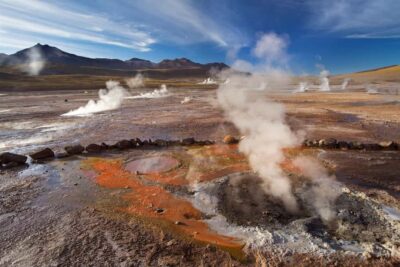
The day continues to Sol de Mañana, an area of geysers and intermittent springs. Water can erupt at temperatures reaching 90 degrees Celsius. You need to take care around the vents and follow the guide’s instructions. This is a place for watching and photographing, not casual wandering.
The final major stop is Laguna Colorada. Its red tones come from mineral deposits and algae, and the lagoon is a nesting center for more than 30,000 flamingos. The birds bring movement to a setting that can otherwise feel almost still. Give yourself time to look closely, since the flamingos may appear as small pink shapes against the wide lagoon.
You spend the first night in a hostel in Villamar. Accommodation is in a shared double, triple, or quadruple room, depending on the arrangement, and the bathroom may be shared or private. The rooms themselves are described as acceptable, but you should not expect heating, internet, or hotel-style extras. One particularly useful warning is that bathroom conditions may be poor even when the room is fine.
Day 2: Volcanic shapes, wildlife, and the Anaconda Canyon
Day two shifts away from the lagoons and geysers and focuses on rock formations, small bodies of water, and views across the Bolivian Altiplano. The first major stop is the Valley of Rocks, also called the World Cup or Lost Italy.
Here, volcanic rock has weathered into shapes that resemble buildings in an abandoned city. The attraction is not a single monument. It is the way the scattered formations work together, creating a strange open-air scene. You can walk around and take photos, but the exact amount of time at each stop depends on the group and the day’s driving schedule.
The route then continues toward the Camello and Sora areas, where you may see wild animals. The information provided does not promise a particular species or a guaranteed sighting, so treat this as a chance to watch the open country rather than a wildlife-focused safari.
You also stop at a mysterious lagoon or catal. This part of the route gives you a chance to walk around and see typical plants and animals of the Bolivian Altiplano. The appeal is quiet and observational. After the dramatic red lagoon and steaming geysers, this stop shows the more subtle side of the region.
Laguna Vinto and a viewpoint add more open views before the Anaconda Canyon. The canyon is a useful contrast to the flat salt and desert areas. Instead of looking across a broad plain, you look into a cut in the ground, with a tighter sense of depth and shape.
Day two contains many named stops, but it is important to understand the tradeoff. You spend a lot of time in the vehicle, with short visits spread across a large area. That is the price of seeing so much in three days. If you like a steady stream of unusual sights, the pace will suit you. If you prefer long hikes or extended time in one place, it may feel rushed.
The second night is at the Colcha K Salt Hotel. The name points to the local use of salt as a building material, though the supplied details do not specify the exact construction or facilities. What you can count on is another simple overnight stay with shared room arrangements, no internet, no heating, and no included towels.
All meals are included: breakfast, lunch, and dinner. Drinks and water are not included, so plan to purchase them along the way. Bathroom access during the journey also costs extra. These are small costs individually, but they add up, so carrying some local currency or an accepted payment method is sensible. The tour does not state which payment methods are available, so you should check before departure.
Day 3: Sunrise on the Salar de Uyuni
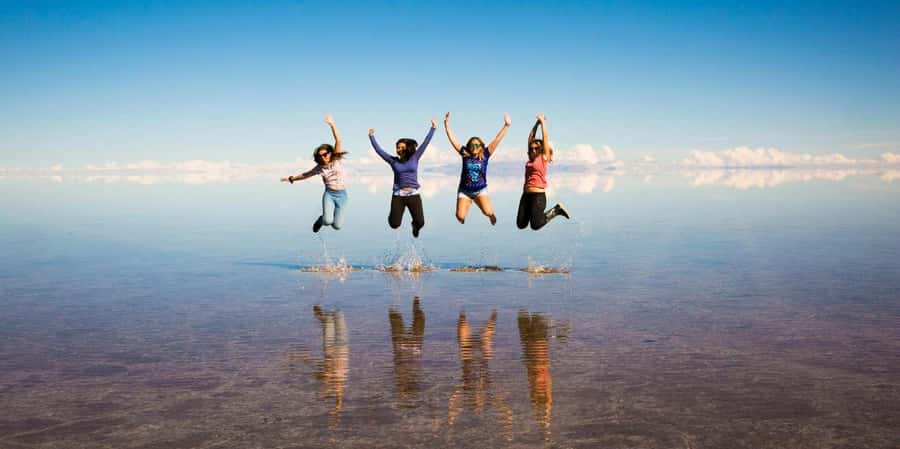
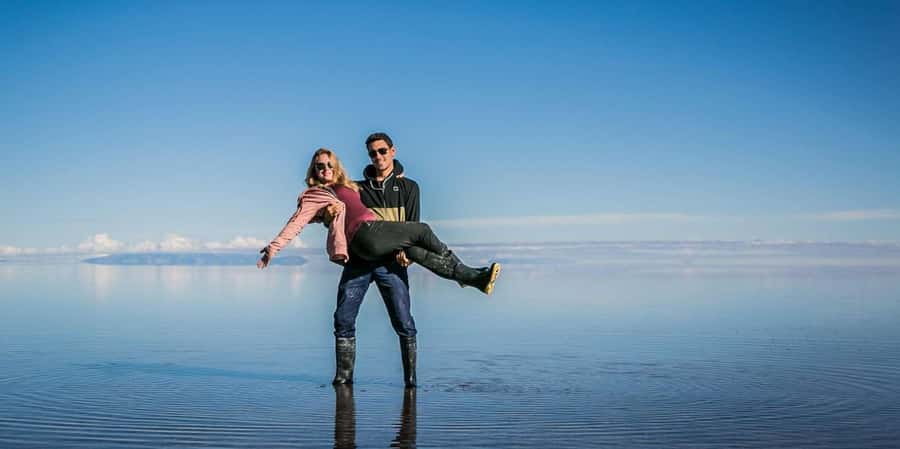
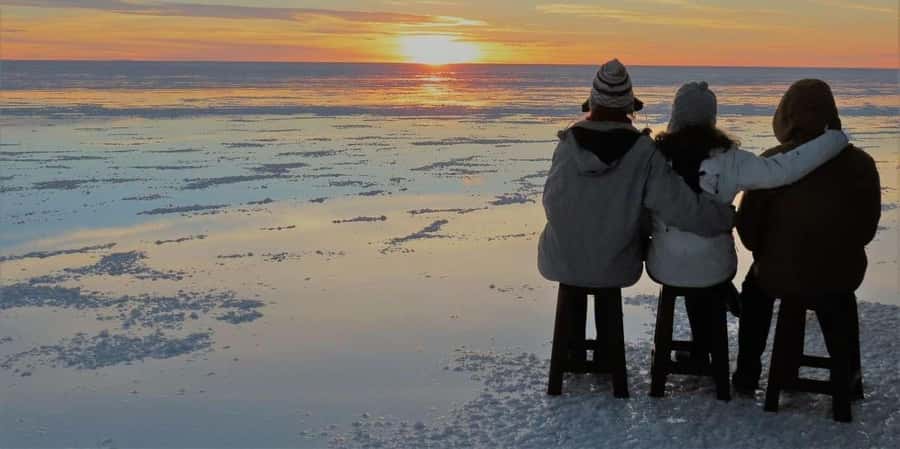
The final day starts early, with a drive onto the Salar de Uyuni in time for sunrise. The salt flat appears as a huge white surface formed by accumulated salt. At sunrise, the low light changes the color and shadows across the flat, making this one of the most memorable parts of the route.
The early start is worth accepting. You get the salt flat before the day’s main sightseeing is complete, and the sunrise gives the plain a clear sense of scale. Wear warm layers for the morning, since heating is not provided at the accommodation and high-altitude conditions can be cold.
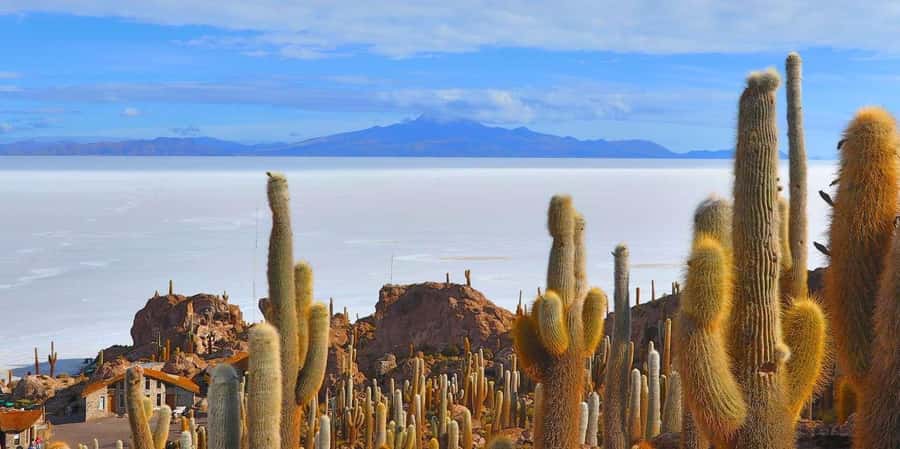
After sunrise, you continue to Incahuasi Island. Despite its name, this is a limestone rock formation rising from the salt flat. You can take a short walk and see giant cacti, then look back across the white expanse from higher ground.
Incahuasi adds texture to what could otherwise be a very uniform scene. The cacti and rock make a strong contrast with the salt, and the viewpoint helps you understand just how broad the Salar de Uyuni is. The walk is brief, but you should wear shoes suitable for uneven rock.
The tour then visits a Salt Museum. The details do not specify how long you stay or exactly what is displayed, so think of it as a compact cultural stop rather than a major museum visit. It gives context to the material that shapes the region and the local craft tradition.
You leave the salt flat through Colchani, where you can stop to buy handicrafts. This is a practical point to look for small souvenirs connected to the salt flat and surrounding region. Since the tour does not include shopping, purchases are your responsibility.
The last sightseeing stop is the train cemetery near Uyuni. Old rail cars sit in the open desert, creating a stark photographic scene. It is a fitting final stop because the rusting machinery adds a human trace to the otherwise natural and mineral world you have crossed.
You then arrive in Uyuni and finish at a central location. This is not a round trip. Return transport to San Pedro de Atacama is not included, so you should book this only if Uyuni is your next destination or if you have arranged your onward travel separately.
A few more San Pedro de Atacama half-days to weigh up
- San Pedro de Atacama: 3-Day Activity Combo with 4 Tours
★ 4.6 · 247 reviews - Unique 3-Day Tour in San Pedro de Atacama
★ 4.5 · 43 reviews - 5 Fantastic Tours in the Atacama Desert in 3 Days
★ 4.4 · 17 reviews - 4 TOUR IN ATACAMA IN 3 DAYS
★ 4.6 · 12 reviews
What the vehicle, group, and guide mean in practice
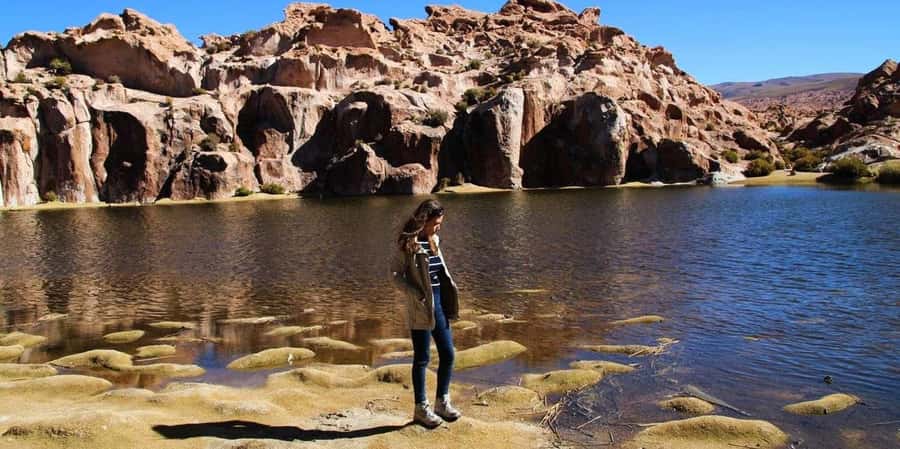
The tour is listed as a small group with up to 10 participants, but the main 4×4 vehicle carries six people. Depending on the day’s arrangements, the full group may be divided between vehicles. Shared 4×4 travel keeps the price down and makes the route possible, but personal space is limited during long drives.
The guide service is in Spanish. A guide named Leo received specific praise for being patient with imperfect Spanish, considerate, and friendly. That is useful if you can follow basic Spanish but are not fully confident speaking it. You should not book this expecting an English-language tour, since Spanish is the stated language.
The driver or guide handles the route while you focus on the stops. The experience depends partly on the day’s driving and road conditions, and this is a remote region with a packed schedule. Keep your camera, water, warm layer, and any personal medicine close rather than buried in luggage.
The overall rating is 4.4 from five reviews, with strong praise for the guide and the group experience, but also one serious report of an operator failing to appear. That means you should pay close attention to the pickup instructions and confirm the meeting details before departure. The cancellation policy allows a full refund when you cancel at least 24 hours ahead, and reserve-now-pay-later booking keeps your money free until closer to the trip.
Meals, rooms, and extra costs
Including all breakfasts, lunches, and dinners is a major benefit. You do not need to find restaurants during a route where options are limited. Still, drinks and water are excluded, so bring money for those purchases.
The two nights are in shared rooms for two, three, or four people. Bathrooms may be private or shared depending on the night. The rooms can be adequate for sleep, but the facilities are basic. There is no heating, internet access, or towel service, and bathroom quality may be the weakest part of the accommodation.
Entry fees and border taxes are not included in the $340. The tour also excludes bathroom charges during the journey. Add these expenses to your budget before comparing this trip with other Uyuni routes.
Should you book this San Pedro to Uyuni route?
I would book it if you want to cross from San Pedro de Atacama to Uyuni while seeing the best-known natural sights in the Bolivian highlands along the way. The combination of Laguna Colorada, flamingos, geysers, hot springs, Incahuasi Island, and the salt flat gives you far more than a simple transport connection.
I would hesitate if comfort is important, if you need English guiding, or if you want a private vehicle. The itinerary is long and busy, the rooms are basic, and you must pay for several extras. Confirm the pickup before departure, bring warm clothing, water money, a swimsuit, and a towel, then treat the rough edges as part of a demanding but memorable crossing.
FAQ
How long is the tour from San Pedro de Atacama to Uyuni?
The tour lasts three days. It begins with pickup at your accommodation in San Pedro de Atacama and ends at a central location in Uyuni.
What language does the guide speak?
The live tour guide service is in Spanish. A guide named Leo was specifically praised for patience and friendliness with a guest speaking approximate Spanish.
Is transport back to San Pedro de Atacama included?
No. The tour ends in Uyuni, and return transport to San Pedro de Atacama is not included.
What accommodation is included?
Two nights are included in shared double, triple, or quadruple rooms. The bathroom may be shared or private depending on the night.
Are meals included?
Yes. Breakfast, lunch, and dinner are included during the three-day trip. Drinks and water during meals are not included.
What is not included in the tour price?
Entry fees, border taxes, drinks, water, bathroom access during the journey, towels, heating in the rooms, and internet access are not included.
Just added around San Pedro de Atacama
- San Pedro de Atacama: Cejar Lagoon, Tebenquiche & Ojos Salar★ 3.9 · 3 reviews
- From San Pedro de Atacama: Small group to Moon Valley★ 5.0 · 3 reviews
- San Pedro de Atacama: Canyon Swimming Pools Trekking Trip★ 5.0 · 3 reviews
- San Pedro de Atacama: Rainbow Valley & Good Herbs Tour★ 4.3 · 3 reviews
- Full Desert. The most complete program you will find★ 3.2 · 3 reviews
- From San Pedro de Atacama: The Salt Flats Route, Full Day★ 3.7 · 3 reviews
- San Pedro de Atacama: Valle de la luna★ 3.0 · 3 reviews
- Valle de la Luna: A Moon-Like Escape in Atacama★ 5.0 · 3 reviews
San Pedro de Atacama Tours, compared.
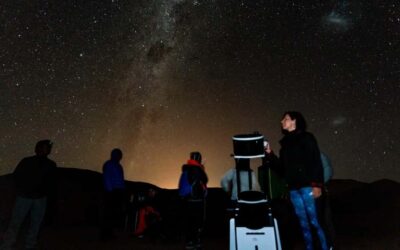
San Pedro de Atacama: Etno-Stargazing Tour with Transfer
Read our review →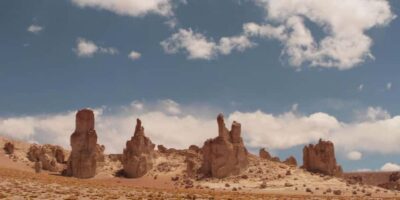
Piedras Rojas, Altiplanics Lagoons & Salar Full-Day Tour
Read our review →
San Pedro de Atacama: 3-Day Activity Combo with 4 Tours
Read our review →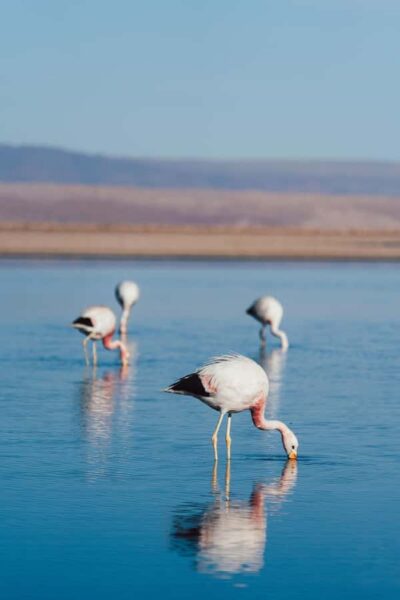
Triple tour: Red stones, highland lagoons and Chaxa Lagoon
Read our review →Browse the lists this tour appears in